The global luxury charter market is entering 2026 with a clear sense of direction: clients are no longer simply chasing sunshine and status—they are curating experiences. From the Caribbean’s record-breaking winter surge to the steady evolution of Mediterranean summer itineraries, the world’s most discerning travelers are redefining what it means to “drop anchor.” The result is a charter landscape that is broader, more experiential, and increasingly shaped by a desire for privacy, authenticity, and distinction.
The Caribbean Takes the Lead
As winter tightens its grip on Europe and North America, the Caribbean has surged ahead as the dominant playground for megayachts. Among all destinations, Saint Barthélemy—better known as St Barths—has firmly established itself as the epicenter of peak-season yachting.
The island’s appeal lies in its unique combination of exclusivity and accessibility. Unlike sprawling destinations, St Barths delivers a concentrated dose of luxury: designer boutiques, Michelin-level dining, and a social calendar that peaks during the New Year period. For 2026, brokers are reporting unprecedented demand, with charter calendars filling earlier than ever and fleets reaching record density during the festive season.
This surge is not accidental. St Barths offers something that high-net-worth charterers increasingly value: a predictable yet elevated experience. Gustavia Harbor becomes a floating showcase of the world’s most impressive yachts, while beach clubs like those at St Jean and Shell Beach provide a seamless blend of glamour and informality. For many guests, it is less about exploration and more about being part of a highly curated social moment.
Yet the Caribbean’s strength extends beyond a single island. Neighboring destinations such as Antigua, Saint Lucia, and British Virgin Islands continue to attract steady charter traffic, particularly from clients seeking a balance between lively anchorages and quieter cruising grounds. The region’s reliability—calm seas, short cruising distances, and established infrastructure—makes it an enduring favorite.
The Rise of Experiential Yachting
While traditional hotspots remain strong, a parallel trend is reshaping the charter market: the pursuit of experience over destination. Increasingly, clients are choosing itineraries that prioritize what they can do, see, and feel, rather than where they are seen.
This shift is driving demand toward more remote and unconventional cruising grounds. Regions once considered niche are now firmly on the radar of charter brokers and repeat clients alike.
The Sea of Cortez: A Natural Playground
The Sea of Cortez has emerged as one of the most compelling alternatives to the Caribbean. Often described as “the world’s aquarium,” this stretch of water along Mexico’s Baja Peninsula offers extraordinary biodiversity. Guests can swim alongside whale sharks, observe pods of dolphins, and explore untouched islands where human presence is minimal.
Unlike the Caribbean, the appeal here is not nightlife or beach clubs but immersion. Charter itineraries often include guided wildlife excursions, kayaking through mangroves, and evenings spent anchored in complete solitude under star-filled skies. For clients seeking a deeper connection with nature, the Sea of Cortez delivers an experience that feels both exclusive and authentic.
Antarctica: The Ultimate Frontier
At the far end of the spectrum lies Antarctica, a destination that epitomizes the concept of “once-in-a-lifetime.” Chartering a yacht in these icy waters is not merely a vacation—it is an expedition.
Ice-class vessels equipped with reinforced hulls and advanced navigation systems allow guests to explore dramatic лед landscapes, towering glaciers, and remote wildlife habitats. Encounters with penguin colonies, seals, and even whales are part of the experience, as are guided landings led by expert expedition teams.
The appeal of Antarctica is rooted in its rarity. Few people will ever visit, and even fewer will do so from the comfort of a private yacht. For high-net-worth individuals seeking true distinction, it represents the pinnacle of experiential travel.
The Galápagos: Conservation Meets Luxury
Similarly, the Galápagos Islands are attracting increased attention from charter clients. Known for their unique ecosystems and role in shaping Charles Darwin’s theory of evolution, the islands offer a blend of scientific significance and natural beauty.
Strict environmental regulations limit visitor numbers, which enhances their exclusivity. Charter yachts operating here must adhere to rigorous guidelines, but this also ensures a highly curated experience. Guests can expect guided tours led by naturalists, close encounters with endemic species, and a strong emphasis on sustainability.
Expedition Yachts: Redefining Capability
The rise of remote destinations has fueled demand for a new class of vessel: the expedition yacht. These yachts are designed not just for luxury but for endurance and versatility.
Features commonly include:
- Extended cruising range for long-distance voyages
- Ice-class hulls for polar exploration
- Advanced stabilization systems for comfort in rough seas
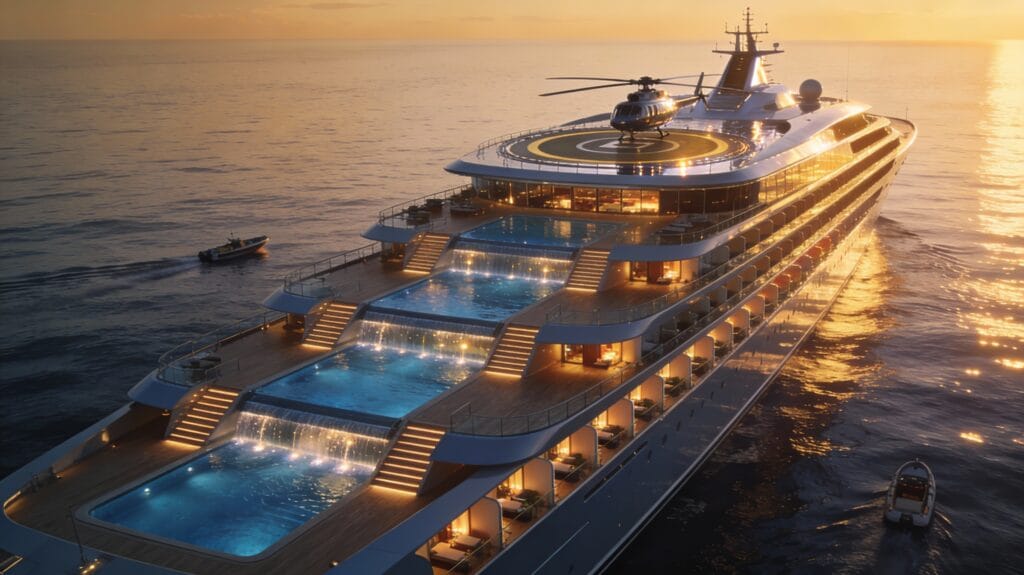
- Helipads and submersibles for enhanced exploration
- Comprehensive wellness facilities, including spas and gyms
Importantly, these yachts do not require guests to sacrifice comfort. Interiors rival those of traditional superyachts, with spacious suites, fine dining, and high-end entertainment systems. The result is a seamless blend of adventure and indulgence.
For many clients, the appeal lies in the freedom these vessels provide. Instead of being confined to established routes, they can venture into regions that were previously inaccessible, creating entirely bespoke itineraries.
The Mediterranean: Still a Summer Stronghold
Despite the growing interest in alternative destinations, the Mediterranean remains the cornerstone of the summer charter season. Its combination of cultural richness, favorable weather, and well-developed infrastructure ensures its continued dominance.
The Western Mediterranean—encompassing the coasts of France, Italy, and Spain—continues to attract the majority of bookings. Iconic destinations such as French Riviera and Amalfi Coast remain synonymous with luxury yachting.
However, the nature of demand is evolving.
The Emergence of “Second-Row” Destinations
As popular hotspots become increasingly crowded, charterers are looking beyond the traditional circuit. This has led to a surge in interest in what brokers are calling “second-row” destinations—regions that offer similar appeal but with fewer crowds.
Montenegro and the Adriatic
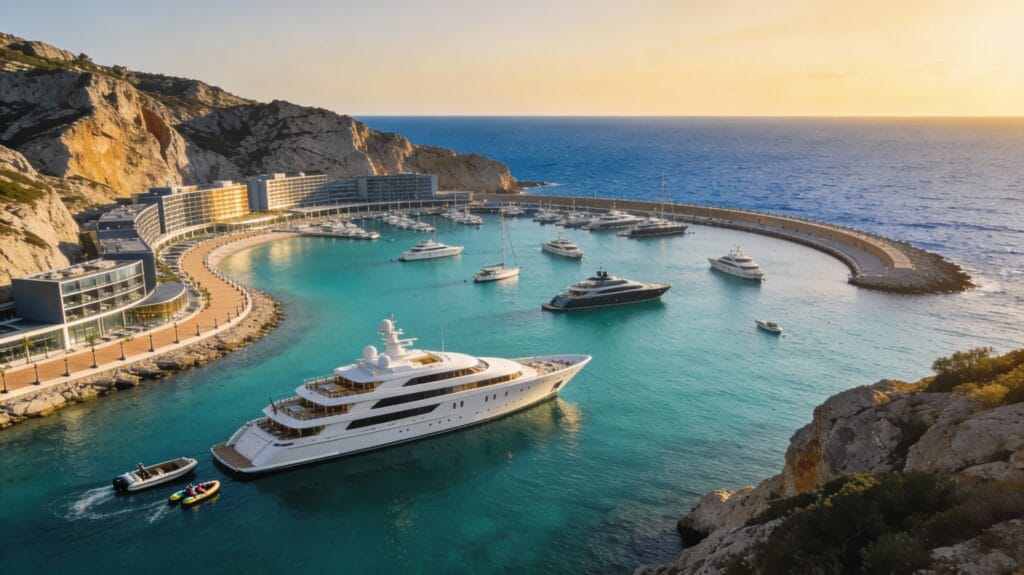
Montenegro has quickly risen to prominence as one of the Mediterranean’s most exciting alternatives. Its Adriatic coastline combines dramatic landscapes with modern marina infrastructure, most notably in Porto Montenegro.
The appeal lies in contrast. Guests can move from bustling marinas filled with luxury boutiques to quiet bays surrounded by rugged mountains, often within a single day’s cruising. This diversity allows for itineraries that feel dynamic and personalized.
Beyond Montenegro, less-trafficked areas of the Adriatic Sea—including parts of Croatia and Albania—are gaining traction. These regions offer crystal-clear waters, historic towns, and a sense of discovery that is increasingly rare in more established destinations.
A Shift Toward Cultural Immersion
Perhaps the most significant change in charter behavior is the growing emphasis on experiences beyond the yacht itself. Today’s clients are not content with simply moving between anchorages—they want to engage with the destinations they visit.
This has led to a rise in curated shoreside experiences, including:
- Private vineyard tours in Italy and France
- Guided historical tours in coastal towns
- Exclusive access to cultural events and exhibitions
- Culinary experiences with local chefs
These activities are often tailored to individual preferences, creating itineraries that feel deeply personal. For example, a charter along the Amalfi Coast might include a private tour of a family-owned limoncello producer, followed by a bespoke dining experience overlooking the sea.
This focus on immersion reflects a broader trend in luxury travel: the desire for meaning. Clients are increasingly seeking experiences that enrich their understanding of a place, rather than simply showcasing it.
Privacy and Personalization
Another defining characteristic of the 2026 charter market is the emphasis on privacy. In a world where visibility is constant, the ability to retreat into a controlled, private environment is highly valued.
Yachts offer a level of exclusivity that few other forms of travel can match. Guests can dictate every aspect of their experience, from itinerary and cuisine to onboard activities and service style. This level of customization is a key driver of demand.
Moreover, the shift toward remote destinations aligns with this desire for privacy. Anchoring in a secluded bay or exploring an uninhabited island provides a sense of escape that is increasingly difficult to achieve elsewhere.
Technology and Sustainability
Technology is playing an increasingly important role in shaping the charter experience. From advanced navigation systems to onboard connectivity, modern yachts are equipped to meet the expectations of tech-savvy clients.
At the same time, sustainability is becoming a central consideration. Many charterers are expressing a preference for yachts that incorporate eco-friendly technologies, such as hybrid propulsion systems and waste reduction measures.
Destinations like the Galápagos and Antarctica, where environmental protection is paramount, are reinforcing this trend. Clients are becoming more aware of their impact and are seeking ways to travel responsibly without compromising on luxury.
Looking Ahead
The 2026 charter season reflects a market in transition. While traditional destinations continue to thrive, the definition of luxury is expanding. It is no longer enough to offer beautiful scenery and high-end amenities—clients are seeking experiences that are unique, meaningful, and tailored to their individual preferences.
The Caribbean’s dominance in winter underscores the enduring appeal of established hotspots, while the rise of expedition cruising highlights a growing appetite for adventure. Meanwhile, the Mediterranean’s evolution demonstrates how even the most traditional markets can adapt to changing tastes.
Ultimately, the question of where the charter crowd is dropping anchor is no longer just about geography. It is about intention. Whether in the vibrant waters of St Barths, the remote expanses of Antarctica, or the hidden coves of the Adriatic, the defining feature of 2026 yachting is the pursuit of experiences that resonate on a deeper level.
As the industry continues to evolve, one thing is clear: the future of luxury charter lies not in following established routes, but in charting new ones.