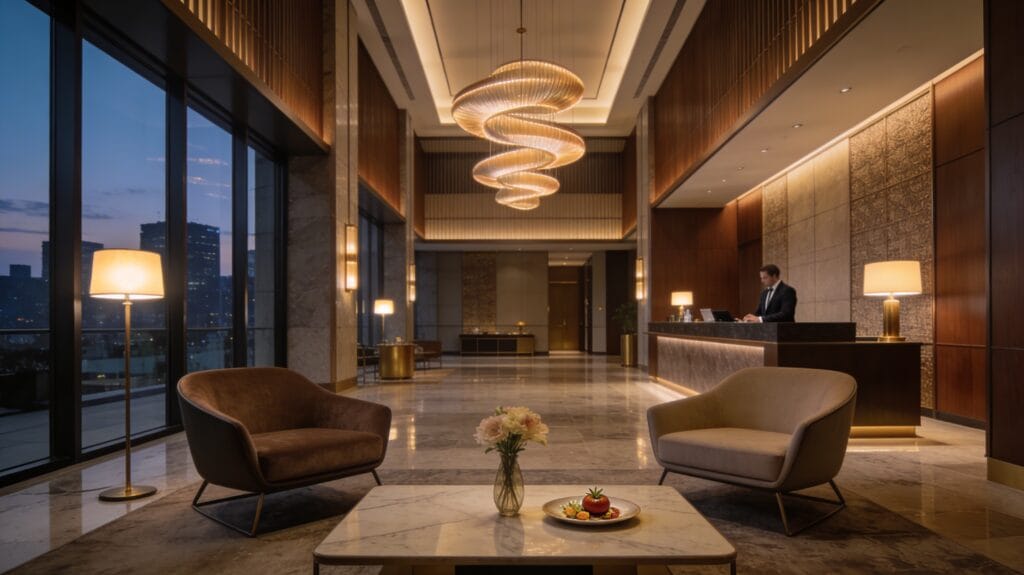
A truly exceptional luxury hotel-the crisp white sheets, the turndown service with a perfectly placed chocolate, the hushed elegance of a lobby where every detail whispers sophistication. This is the promise of a luxury hotel, isn’t it? Yet, how many times have you, like me, paid a premium for what was billed as a five-star experience, only to find yourself wondering if the stars were awarded by a particularly optimistic astrologer? The truth is, the world of high-end hospitality is rife with establishments that excel at charging luxury prices without delivering genuine luxury value.
For the discerning traveler, someone who understands that true luxury is about an experience, not just an extravagant bill, the challenge isn’t finding an expensive hotel. It’s finding an exceptional one. We’re talking about the difference between a gilded cage and a sanctuary crafted with genuine care and foresight. If you’re accustomed to four and five-star properties, you already know the basics. But to truly elevate your stays, to master how to pick the best luxury hotel, you need a more refined toolkit. This guide isn’t about finding a cheap deal; it’s about ensuring every dollar you spend contributes to an unforgettable, genuinely luxurious escape. Let’s delve into the nuances of how to choose a luxury hotel that’s actually worth the money.
Beyond the Brochure: Why Location & Neighborhood Matter More Than the Brand Logo
When embarking on the quest of how to choose a luxury hotel, many immediately gravitate towards a familiar brand name. While brand consistency has its merits, the first, and arguably most crucial, decision you’ll make is about the hotel’s location and its surrounding neighborhood. This goes far beyond simply “central” or “safe.” True luxury is deeply intertwined with context.
Consider the energy of the area. Do you crave the vibrant pulse of a bustling city center, or the serene calm of a residential enclave? A hotel with a famous name situated on a perpetually noisy street, or one hemmed in by bland corporate buildings, can quickly diminish even the most opulent interior. Conversely, an independent boutique property nestled on a charming, tree-lined avenue, with quaint cafes and art galleries just steps away, offers an inherent luxury that no amount of in-house amenities can replicate.
Think about what your ideal stay entails. If you envision leisurely strolls to iconic landmarks, world-class dining within walking distance, or perhaps a quiet park for your morning run, then the neighborhood must support that vision. Does the area feel authentic, or is it a tourist trap? Is there a sense of place, or could you be anywhere in the world? A truly exceptional luxury hotel integrates seamlessly into its surroundings, offering not just a room, but a gateway to an experience. Look at the immediate vicinity on a map, check street view photos, and read reviews that specifically mention the neighborhood vibe. A hotel might boast a Michelin-starred restaurant, but if stepping outside means navigating an unpleasant streetscape or a lengthy commute to anything worthwhile, its overall luxury quotient takes a significant hit. This is one of the most fundamental 5-star hotel tips: the hotel is only as good as its ecosystem.
Brand Loyalty vs. Independent Spirit: Weighing Your Options
Once you’ve honed in on the ideal locale, the next consideration often revolves around the choice between an established luxury brand and a unique independent property. Both have distinct advantages and disadvantages when you’re considering luxury hotel booking tips.
The Allure of the Brand (e.g., Four Seasons, Ritz-Carlton, St. Regis, Mandarin Oriental):
- Pros:
- Consistency: You generally know what to expect in terms of service standards, room quality, and amenities, regardless of location. This predictability can be a comfort for frequent travelers.
- Loyalty Programs: Elite status can unlock valuable perks like upgrades, late check-out, complimentary breakfast, and concierge services, significantly enhancing your stay.
- Global Network: Access to properties in countless destinations, often with established reputations.
- Training & Resources: These brands invest heavily in staff training, ensuring a high baseline of professionalism and service.
- Cons:
- Cookie-Cutter Feel: While luxurious, some brand properties can lack unique character or a strong sense of place, feeling somewhat generic.
- Less Personalized Service (Sometimes): While excellent, the service can sometimes feel more standardized than genuinely bespoke, especially in larger properties.
- Cost: Often at the top end of the price spectrum, even for entry-level rooms.
The Charm of the Independent Hotel (e.g., The Surrey, Hotel Fasano, La Mamounia):
- Pros:
- Unique Character: Often housed in historic buildings, with bespoke design, art collections, and a distinct personality that reflects its location.
- Highly Personalized Service: Without a rigid global standard, independent hotels (especially smaller ones) can offer incredibly attentive, anticipatory service tailored to individual guests.
- Authenticity: They often feel more integrated into the local culture, offering a more authentic experience.
- Flexibility: More freedom in pricing, amenities, and guest experiences.
- Cons:
- Inconsistency: Quality can vary wildly. A fantastic independent hotel in one city doesn’t guarantee the same standard elsewhere. Thorough research is paramount.
- No Loyalty Programs: You won’t earn points or status, which can be a drawback for travelers who value those perks.
- Harder to Vet: Without a brand reputation, you rely more heavily on reviews, word-of-mouth, and detailed research.
For those wondering how to pick the best luxury hotel, my advice is this: don’t dismiss either category out of hand. For a quick business trip where consistency is key, a brand might be ideal. For a special occasion or a deep dive into a new culture, an independent gem could offer an unparalleled experience. The key is to understand what you value most for that specific trip.
Decoding Room Categories and Layouts Like an Insider
You’ve found the perfect neighborhood and decided on your preferred hotel type. Now, comes the granular detail: the room itself. This is where many fall into the trap of assuming a “Deluxe” or “Executive” room automatically equates to true luxury. As an experienced traveler, you know better. To truly master luxury hotel booking tips, you need to learn how to read between the lines of a hotel’s room descriptions.
- Square Footage is King (and Queen): Forget fancy names. The first thing to scrutinize is the actual square footage. A “Standard King” at one luxury hotel might be 300 sq ft, while at another, it’s a spacious 500 sq ft. This number directly impacts your comfort and sense of space. Don’t settle for less than 400-450 sq ft for a true luxury experience, especially if you’re staying more than a night or two or traveling with significant luggage.
- Floor Plans are Your Friend: Many truly exceptional hotels will provide floor plans or detailed diagrams of their room types on their website. This is invaluable. It allows you to visualize the layout: is the bathroom awkwardly small? Is there a proper sitting area, or just an armchair crammed into a corner? Where are the windows located relative to the bed and desk?
- The View (and the Noise): A “city view” could mean a stunning panorama or a brick wall. A “courtyard view” can be peaceful or overlook noisy service areas. Always check if the view is specified, and cross-reference with guest photos and reviews. Pro tip: rooms facing inner courtyards are often quieter but might lack natural light. Rooms facing a main street might offer a great view but come with significant street noise.
- Bathroom Brilliance: The bathroom is a hallmark of luxury. Look for double vanities, separate shower and bathtub (preferably a deep soaking tub), high-quality fixtures, ample counter space, and proper lighting. A cramped bathroom with a shower-over-tub combo, even with marble, is not true luxury.
- Specific Amenities Within the Room: Beyond the standard, what truly elevates the in-room experience? Think Nespresso machines (with complimentary pods), high-quality bath amenities (often full-size, not miniatures), proper soundproofing, intelligent lighting systems, ample power outlets (with USB ports), and a well-stocked, non-extortionate mini-bar. Don’t be swayed by a “smart TV” if the basics are lacking.
When considering how to choose a luxury hotel, remember that the room is your private sanctuary. Investigate its specifics as thoroughly as you would the hotel’s public spaces.
The Art of Anticipation: What Real 5-Star Service Looks Like
This is the bedrock of true luxury and the most defining characteristic that separates an exceptional hotel from merely an expensive one. Many properties can boast lavish décor, but impeccable service is an art form. It’s not just about politeness; it’s about anticipation, discretion, and a genuine desire to enhance your stay. These 5-star hotel tips will help you spot the difference.
- Anticipatory, Not Reactive: Real 5-star service means staff anticipate your needs before you even voice them. The concierge suggests a reservation at a restaurant you mentioned admiring, without being asked. Your preferred coffee order appears at breakfast without you needing to repeat it. Your luggage is proactively handled, not just left for you to retrieve.
- Discreet and Seamless: The best service is often invisible. Things just happen effortlessly. Check-in is swift and personal, not a lengthy queue. Housekeeping refreshes your room while you’re out, without disruption. Requests are fulfilled efficiently and without fuss.
- Personalized, Not Scripted: While professionalism is key, true luxury service feels personal. Staff remember your name, your preferences (if you’ve stayed before), and engage in genuine conversation rather than reciting canned lines. They make you feel like a valued guest, not just another room number.
- Problem-Solving with Grace: Even the best hotels encounter issues. The mark of true luxury service is how these are handled. Problems are resolved swiftly, discreetly, and often with an unexpected gesture of goodwill, turning a potential negative into a positive impression. There’s no blaming, only solutions.
- Genuine Warmth and Professionalism: Staff are genuinely friendly and approachable, but always maintain a polished professionalism. They strike the perfect balance between being helpful and respecting your privacy.
How to Spot It in Reviews:
When reading reviews, go beyond generic statements like “friendly staff.” Look for specifics:
- Mentions of staff by name and specific acts of service (“John at the front desk went above and beyond when my flight was delayed.”)
- Phrases like “they remembered my preference,” “anticipatory service,” “seamless experience,” “nothing was too much trouble.”
- Descriptions of efficient problem-solving or a graceful recovery from an issue.
- Conversely, beware of reviews that highlight long waits, indifferent staff, or a lack of attention to detail, even if the overall rating is high. These are red flags for a non-exceptional experience.
Amenities That Truly Elevate vs. Marketing Fluff
Every luxury hotel website lists a litany of amenities. But for discerning travelers, understanding which ones truly matter and which are mere marketing fluff is crucial for effective luxury hotel booking tips.
Amenities That Truly Matter:
- Exceptional F&B: This is often overlooked. A truly luxurious hotel will have outstanding dining options, from a gourmet breakfast that feels like an event, to a sophisticated bar, and perhaps a destination restaurant. Room service should be prompt, delicious, and beautifully presented.
- World-Class Spa & Wellness Facilities: A well-appointed gym with modern equipment, a serene pool area (indoor or outdoor, depending on climate), and a spa offering high-quality treatments are essential. Look for dedicated relaxation areas, skilled therapists, and a tranquil atmosphere. It’s not just about having a spa; it’s about the quality of the experience.
- Robust & Reliable WiFi: In this day and age, this isn’t a luxury, it’s a necessity. It should be fast, free, and accessible throughout the property without hassle.
- Soundproofing: Often unmentioned but paramount. The ability to retreat into a truly quiet space, undisturbed by city noise or neighboring guests, is a non-negotiable luxury.
- High-Quality Linens & Bedding: Plush towels, soft robes, and premium sheets (high thread count Egyptian cotton or similar) significantly enhance the comfort of your stay.
- Thoughtful Touches: These are the small things that make a big difference: complimentary bottled water, international power adapters easily available, a well-curated library, or a charming welcome amenity.
Marketing Fluff (Often Over-Emphasized):
- “Smart” Room Technology: While some integrated tech is great, overly complex systems that are difficult to use or prone to glitches detract from the experience. Simplicity and functionality are key.
- Obscure Niche Services: A “pillow menu” is nice, but if the default pillows are uncomfortable, it’s just a distraction. A robot butler is a novelty, but often less efficient than human service.
- A “Business Center”: For most luxury travelers, a quiet corner with good WiFi and a printer is sufficient. A dedicated, often empty, business center is rarely a draw.
When you’re trying to figure out how to choose a luxury hotel, assess amenities based on your needs and preferences. Don’t be swayed by features you won’t use. Focus on quality, functionality, and how they enhance your overall comfort and enjoyment.
The Discerning Eye: Using Photos, Reviews, and Social Media Without Getting Tricked
In the digital age, information is abundant, but misleading information is equally prevalent. Mastering how to choose a luxury hotel means becoming a detective, sifting through marketing gloss and genuine insights.
- Deconstructing Professional Photos: Hotel websites feature stunning, professionally shot photos. They are designed to sell. Look beyond the perfect lighting and wide-angle lenses:
- Zoom In: Look at details. Are the furnishings showing wear? Is the decor cohesive?
- Compare Angles: Notice what’s not shown. If there are no photos of the bathroom, it’s probably small or outdated. If there’s only one shot of a “gym,” it might be tiny.
- Look for Consistency: Do the public areas match the quality of the guest rooms?
- Mastering Guest Reviews (Beyond the Star Rating):
- Read the Content: A 4.5-star rating might hide consistent complaints about slow service or noisy rooms. Filter by “terrible” or “poor” to see the worst-case scenarios and common grievances.
- Look for Patterns: If multiple guests complain about the same issue (e.g., thin walls, lukewarm water, rude staff member), it’s a genuine problem.
- Focus on Specifics: Reviews that mention staff by name, specific amenities, or detailed experiences are far more valuable than generic praise or complaints.
- Consider the Reviewer: Is it a first-time luxury traveler who might be easily impressed, or someone whose review history suggests a higher standard?
- Management Responses: How does the hotel respond to criticism? A thoughtful, apologetic, and solution-oriented response is a good sign. A defensive or generic one is not.
- Leveraging Social Media:
- Geotagged Content: Search Instagram or TikTok for geotagged posts from guests. These unedited, real-time photos and videos offer an authentic glimpse into the property, showing actual room conditions, pool crowds, and the general vibe.
- Hotel’s Official Accounts: Look at their stories and recent posts. Do they engage with guests? Do they highlight experiences or just static shots? This can give you a sense of their brand personality and current offerings.
- Influencer Content (with caution): Be aware that influencer posts are often curated and sponsored. Look for transparency and compare with non-sponsored content.
By employing these luxury hotel booking tips, you’ll develop a discerning eye that can cut through the marketing haze and reveal the true character of a property.
Strategic Stays: When and How to Use Loyalty Programs and Points
For the seasoned traveler, loyalty programs aren’t just about accumulating points; they’re about strategically maximizing value and enhancing the luxury experience. When considering how to pick the best luxury hotel, understanding how to leverage these programs can be a game-changer.
- Understanding Elite Status Benefits: Don’t just chase points; chase status. Higher tiers (e.g., Marriott Bonvoy Platinum/Titanium/Ambassador, Hilton Honors Diamond, World of Hyatt Globalist) unlock invaluable perks:
- Complimentary Upgrades: Often to suites or premium rooms, subject to availability. This is where you can significantly elevate your stay without paying more.
- Free Breakfast: A substantial saving, especially at luxury hotels where breakfast can easily cost $50+ per person.
- Late Check-Out: Crucial for evening flights, allowing you to enjoy the hotel facilities for longer.
- Lounge Access: Executive lounges often offer complimentary food, drinks, and a quiet space to work or relax.
- Dedicated Concierge/Guest Services: More personalized and efficient service.
- When to Use Points vs. Cash:
- High Cash Rates: If the cash price for a night is exceptionally high (e.g., during peak season, major events), using points can offer tremendous value.
- Aspirational Stays: Points can make a dream stay at an ultra-luxury property (like a St. Regis or a Park Hyatt) attainable when the cash price is prohibitive.
- Fifth Night Free: Many programs offer a free night when you book four nights with points, further increasing value.
- Avoid Using Points When Cash Rates Are Low: If a hotel is inexpensive in cash, save your points for a time when they yield better value.
- Strategic Credit Card Usage: Premium travel credit cards often come with automatic elite status, annual free night certificates, and bonus points on hotel spend. These can fast-track your path to luxury perks.
- Not All Points Are Equal: Understand the value of points for different programs. World of Hyatt points, for example, are often considered more valuable per point than some other programs due to their strong redemption rates at high-end properties.
While independent hotels offer unique charm, the ability to consistently secure upgrades, free breakfast, and other benefits through loyalty programs is a significant factor in how to choose a luxury hotel that delivers consistent value, especially for frequent travelers. It’s about being strategic, not just accumulating.
Your Checklist for an Exceptional Luxury Hotel Stay
Choosing a truly exceptional luxury hotel is an art, refined through experience and a discerning eye. It’s about looking beyond the surface and understanding the intricate details that define genuine luxury. Use this practical checklist for your next luxury hotel booking:
- Evaluate the Neighborhood: Does the immediate vicinity support your ideal experience (vibe, noise level, accessibility, local charm)?
- Brand vs. Independent: What matters more for this specific trip – consistent standards and loyalty perks, or unique character and hyper-personalized service?
- Room Specifics: What is the actual square footage? Are floor plans available? What’s the view, and is the bathroom truly luxurious (separate tub/shower, double vanity)?
- Service Expectations: Are there consistent mentions in reviews of anticipatory, discreet, and personalized service? How do they handle issues?
- Amenities That Matter: Are the F&B, spa, and wellness facilities genuinely high-quality? Is WiFi reliable? Is soundproofing effective?
- Review Deep Dive: Have you read recent guest reviews beyond the star rating, looking for patterns and specific details (both positive and negative)?
- Photo Reality Check: Have you cross-referenced professional photos with guest photos and social media content for a realistic view?
- Loyalty Program Leverage: Can you use points or elite status benefits to significantly enhance your stay and provide greater value?
Armed with these insights, you’re no longer just booking an expensive room; you’re curating an experience. You’re not just choosing a hotel; you’re selecting a temporary sanctuary that promises to deliver genuine luxury, exceptional service, and memories that truly justify the investment. Happy travels.