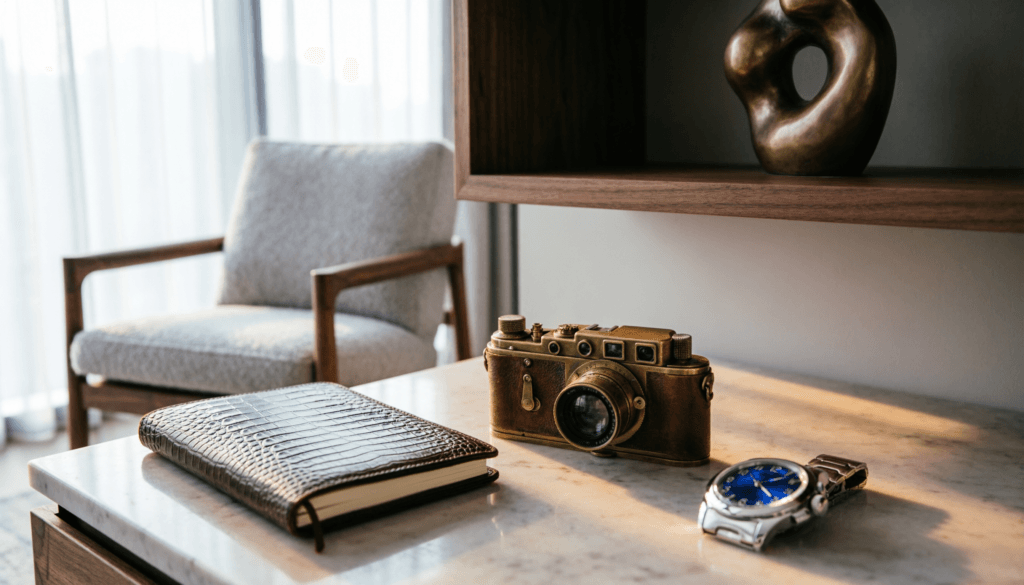
There’s a profound satisfaction in surrounding ourselves with objects that resonate deeply. Not just things we own, but things we curate. Objects that tell a story, evoke emotion, or embody exceptional craftsmanship. These are our “objects of desire”—pieces that transcend mere utility or fleeting trends to become cherished parts of our personal narrative.
Yet, the world of luxury goods can be a minefield for the unprepared. The allure of the new, the pressure of trends, and the sheer volume of options can quickly lead to impulsive purchases and buyer’s remorse. Many mistake a pile of expensive items for a collection, when in reality, it’s often just an accumulation of random acquisitions driven by status or temporary infatuation.
This article isn’t about conspicuous consumption; it’s about thoughtful, deliberate acquisition. It’s a guide on how to build a luxury collection that is meaningful, sustainable, and deeply personal, all while safeguarding your resources from wasteful spending. We’ll explore the intentional process of curating a personal collection, transforming it from a series of purchases into a coherent, evolving testament to your unique taste and values.
Defining Your Personal Aesthetic and Themes: The Soul of Your Collection
Before you even consider opening your wallet, the most crucial step is to look inward. What truly speaks to you? What stories do you want your collection to tell? A cohesive collection isn’t built on what’s popular, but on what genuinely reflects you.
Think of your collection as a carefully composed symphony, not a random jumble of instruments. Each piece should contribute to a larger harmony.
The Power of Self-Reflection
- What resonates with you? Is it the stark lines of modernism, the ornate details of Art Deco, the organic forms of nature, or the rugged utility of industrial design? Spend time observing what truly captures your attention in museums, design magazines, or even in everyday life.
- What are your core values? Do you value innovation, heritage, sustainability, craftsmanship, or a particular artistic movement? Your collection can be a tangible manifestation of these values. For example, if sustainability is key, you might focus on vintage pieces or items from ethical makers.
- What colors, materials, or textures do you consistently gravitate towards? Do you love the warmth of wood, the coolness of steel, the richness of leather, or the vibrancy of certain hues?
- What narrative do you wish to create? Perhaps you’re drawn to objects from a specific historical period, or items that reflect a particular hobby or passion (e.g., aviation, horology, abstract art).
Practical Steps to Uncover Your Aesthetic
- Create a visual mood board: Use Pinterest, physical collages, or even a simple document with images. Collect pictures of furniture, art, watches, architecture, fashion, and even natural landscapes that you find appealing. Look for recurring patterns, colors, and forms.
- Keep a “desire journal”: Jot down thoughts about items you admire, why you admire them, and how they make you feel. This helps solidify your genuine interests versus fleeting fascinations.
- Visit diverse spaces: Explore art galleries, antique shops, design showrooms, and even historical homes. Pay attention to what catches your eye and why.
By dedicating time to this foundational step, you equip yourself with a filter against impulse buys. You’ll develop an internal compass that guides you towards items that truly fit your evolving vision, making the process of collecting objects of desire a deeply personal and rewarding journey.
The Gatekeepers: Criteria for Adding an Item to Your Collection
Once you have a clear sense of your aesthetic, every potential acquisition must pass a rigorous set of criteria. This isn’t about being exclusive; it’s about being intentional. These “gatekeepers” ensure that each item enriches your collection rather than detracting from it.
1. Craftsmanship and Quality
This is paramount for any “luxury” item. A truly desirable object is built to last, often by skilled artisans using high-quality materials.
- Durability and longevity: Is it made to endure? Does it show attention to detail in its construction, finishes, and materials?
- Material integrity: Are the materials genuine and appropriate for the item’s purpose? (e.g., solid wood over veneer, high-grade metals, natural fibers).
- Maker’s reputation: Does the brand or artisan have a history of excellence? Do they stand behind their work?
2. Intrinsic Joy and Emotional Connection
This is the heart of collecting objects of desire. Does the item genuinely make you happy? Does it spark curiosity, wonder, peace, or inspiration?
- Emotional resonance: Does it evoke a positive feeling every time you look at it or interact with it?
- Personal significance: Does it connect to a memory, a goal, or an aspect of your personality?
- Timeless appeal: Will you still love it years from now, long after any initial “newness” has worn off?
3. Utility and Purpose (Where Applicable)
While some items are purely aesthetic (like certain art pieces), many luxury items also serve a function. When they do, they should do it exceptionally well.
- Functionality: Does a luxury watch keep accurate time? Is a designer chair comfortable and ergonomic? Does high-end audio deliver superior sound?
- Integration: How will it fit into your daily life or living space? Will it enhance your environment or just take up space?
4. Story and Provenance
Every object has a story—of its creation, its maker, its journey. A compelling story adds depth and meaning.
- Maker’s philosophy: What was the inspiration behind the piece? What challenges were overcome in its creation?
- Historical context: Does it represent a significant moment in design or art history?
- Personal narrative: Does its story intertwine with your own? Perhaps it’s from a place you’ve visited, or by an artist you admire.
- Provenance (for vintage/art): For older or valuable pieces, a documented history of ownership adds authenticity and value.
5. Potential for Value Retention or Resale
While collecting should primarily be driven by passion, practical considerations are wise. Understanding an item’s market value can prevent significant financial loss if your tastes change or circumstances require a sale.
- Market demand: Is there a consistent demand for this type of item or brand?
- Scarcity: Is it a limited edition, or a piece from a revered but no longer active maker?
- Brand reputation: Established luxury brands often hold their value better than obscure ones.
- Condition: The better the condition, the higher the resale value.
- Note: Never buy purely for investment, especially in volatile markets. Buy what you love, and if it retains value, consider it a bonus.
By applying these criteria diligently, you transform the act of buying into the art of selection, ensuring that each addition to your collection is a thoughtful, meaningful choice.
The Deep Dive: Researching Categories Before You Buy
The world of luxury goods is vast and intricate. Each category—watches, art, furniture, tech—has its own lexicon, history, and nuances. Jumping in without thorough research is a surefire way to make costly mistakes. Becoming an informed connoisseur is an essential part of how to build a luxury collection wisely.
Watches: A World of Intricate Engineering and Heritage
- Movements: Understand the difference between quartz (battery-powered, accurate, low maintenance), mechanical (hand-wound or automatic, intricate, traditional), and hybrid movements.
- Complications: Learn about features beyond telling time, such as chronographs, perpetual calendars, moon phases, and GMT functions.
- Brands: Research established Swiss houses (Rolex, Omega, Patek Philippe), German precision (A. Lange & Söhne, Glashütte Original), and respected microbrands (Seiko, Hamilton, Stowa) that offer exceptional value.
- Servicing: Mechanical watches require periodic servicing (every 5-10 years), which can be costly. Factor this into your budget.
- Style and Fit: Try on different styles (diver, dress, pilot) and sizes. A watch should feel comfortable and proportionate on your wrist.
Art: The Spectrum of Human Expression
- Mediums: Familiarize yourself with paintings (oil, acrylic, watercolor), sculptures, photography, prints (etchings, lithographs, screenprints), and mixed media.
- Movements and Artists: Explore different art historical periods (Impressionism, Abstract Expressionism, Pop Art) and contemporary artists.
- Acquisition Channels: Visit galleries (for established and emerging artists), attend art fairs, explore online platforms (Artsy, Saatchi Art), and consider auctions.
- Authenticity and Provenance: Always verify the authenticity of a piece, especially for established artists. Request a certificate of authenticity and provenance if available.
- Buy What You Love: Art is intensely personal. While investment potential exists, your primary motivation should be an emotional connection.
Furniture and Design Pieces: Form Meets Function
- Design Eras and Designers: Learn about iconic design periods (Art Deco, Mid-Century Modern, Postmodern) and influential designers (Eames, Le Corbusier, Saarinen, Wegner).
- Originals vs. Reproductions: Understand the difference. An original piece by a famous designer will command a premium, while licensed reproductions offer accessibility. Be wary of unauthorized “replicas.”
- Materials and Construction: Research quality indicators: solid wood joinery (dovetail, mortise and tenon), high-density foam, durable upholstery fabrics, genuine leather.
- Scale and Space: Consider how a piece will fit into your existing space, both visually and functionally. Measure carefully.
- Vintage vs. New: Vintage pieces often offer superior quality and historical character at a more accessible price point than new designer items.
Tech (Luxury/Collectible): Innovation with Enduring Appeal
- High-End Audio: Explore audiophile-grade speakers, amplifiers, turntables, and headphones. Focus on sound quality, build materials, and design aesthetics that transcend mere functionality.
- Vintage Computing/Gaming: Rare early personal computers, classic game consoles, or specialized calculators can hold significant appeal for collectors, especially those with design or historical significance.
- Specialized Cameras: Leica cameras, for example, are renowned for their optical quality, mechanical precision, and iconic design, making them coveted by photographers and collectors alike.
- Obsolescence Factor: Be mindful that most tech becomes obsolete. Collectible tech often stands out for its groundbreaking innovation, iconic design, or durable construction that defies the typical upgrade cycle.
- Focus on Design and Build Quality: Look for items where the engineering and aesthetics are so exceptional that they become art forms themselves.
By becoming an educated consumer, you’ll not only make better purchasing decisions but also deepen your appreciation for the items you acquire. This research phase is an investment of time that pays dividends in satisfaction and avoids financial pitfalls.
The Long Game: Pacing Purchases and Avoiding Hype Cycles
Building a truly meaningful collection is a marathon, not a sprint. The most common pitfall for aspiring collectors is succumbing to impulse buys, often fueled by hype, artificial scarcity, or the fear of missing out (FOMO). A thoughtful collector understands the value of patience and strategic acquisition.
Patience is Your Most Powerful Tool
- Embrace the wait: True desire often grows stronger with time. If an object still captivates you after weeks or months of consideration, it’s a strong indicator of genuine connection. If the initial excitement fades, you’ve likely dodged a wasteful purchase.
- Budget deliberately: Set aside a specific budget for your collection, and stick to it. This prevents overspending and ensures each acquisition is a considered financial decision. Don’t feel pressured to buy just because you have funds; wait for the right piece.
- Enjoy the hunt: The journey of discovery—researching, learning, and seeking out the perfect piece—can be as rewarding as the acquisition itself. Savor this process.
Navigating and Avoiding Hype Cycles
The luxury market, like many others, is prone to trends and manufactured excitement. Brands often create artificial scarcity or leverage influencer marketing to drive demand for new releases.
- Question the “must-have” narrative: If everyone is suddenly clamoring for a particular item, pause and ask yourself if your desire is genuine or if you’re being swayed by external pressure.
- Look beyond new releases: The secondary market often offers exceptional value, especially for items that have moved past their initial hype phase. You might find a classic piece in excellent condition for less than a hyped new release.
- Understand true scarcity vs. manufactured scarcity: A limited edition of 50 pieces is genuinely scarce. A “limited drop” of 10,000 units might be less so, especially if similar items are regularly produced.
- Focus on enduring design and quality: Hype is fleeting; timeless design and superior craftsmanship are not. Prioritize items that will retain their aesthetic and functional appeal long after the buzz has died down.
- The “one in, one out” rule (or similar): For certain categories, consider adopting a rule that for every new piece you acquire, an existing one must be sold or gifted. This forces intense scrutiny on new acquisitions and prevents clutter, ensuring that every item in your collection truly deserves its place.
By adopting a patient, reflective approach and sharpening your discernment, you transform collecting objects of desire from a reactive spending spree into a proactive, fulfilling journey of personal curation. This strategic pacing is key to curating a personal collection that truly reflects your evolving taste and values, without the regret of impulsive buys.
Curating Your Journey: Example Collection Paths
Building a collection is a dynamic process, evolving as your tastes mature and your resources grow. There’s no single “right” way to do it. Here are a few example paths, illustrating how to approach how to build a luxury collection at different stages, from initial exploration to acquiring legacy pieces.
Path 1: The Thoughtful Starter (Budget-Conscious Exploration)
This path is for those just beginning their collecting journey, focusing on quality, character, and learning without a massive initial investment.
- Goal: Discover your core aesthetic, appreciate craftsmanship, and acquire foundational pieces that punch above their weight.
- Watches:
- Phase 1 (Entry): A well-regarded automatic watch from Seiko (e.g., a “5 Sports” or “Presage” model) or a classic field watch from Hamilton. These offer excellent mechanical movements, heritage, and robust build quality at accessible prices ($300-$800).
- Why: Introduces you to mechanical watch ownership, allows you to determine preferred styles (dress, diver, field), and offers significant value retention.
- Art:
- Phase 1 (Entry): Limited edition prints from emerging local artists, quality photography prints, or small original works from art school graduates. Explore online platforms like Etsy or local art fairs.
- Why: Supports new talent, allows you to experiment with styles, and brings original art into your home without a five-figure commitment ($100-$1000).
- Furniture/Design:
- Phase 1 (Entry): A vintage mid-century modern side table found at a flea market or reputable vintage dealer. A classic, well-made desk lamp from a respected manufacturer (e.g., Anglepoise).
- Why: Introduces you to iconic design forms, often at a fraction of the cost of new designer pieces, and brings timeless functionality into your space ($100-$700).
- Tech:
- Phase 1 (Entry): A high-quality pair of wired headphones with a reputation for excellent sound (e.g., Sennheiser HD 600 series) or a vintage, well-maintained turntable from a reputable brand.
- Why: Provides an entry into audiophile-grade experiences, often with enduring design and repairability ($200-$600).
Path 2: The Upgrade Phase (Mid-Tier Investment & Refinement)
Having established your taste, this phase involves acquiring more significant pieces, often from more established brands or artists, that solidify your collection’s direction.
- Goal: Refine your collection, invest in iconic designs, and deepen your appreciation for specific categories.
- Watches:
- Phase 2 (Mid-Tier): An iconic diver like the Tudor Black Bay, an Omega Seamaster, or a classic dress watch from Longines or Nomos Glashütte. These are significant pieces with strong heritage and robust movements ($2,000-$7,000).
- Why: Represents a significant step up in finishing and brand prestige, often with excellent resale value.
- Art:
- Phase 2 (Mid-Tier): An original painting or sculpture by a regional artist with a growing reputation, or a significant limited edition print by an internationally recognized contemporary artist.
- Why: Reflects a deeper commitment to art, potentially offering both aesthetic pleasure and long-term value appreciation ($1,000-$10,000).
- Furniture/Design:
- Phase 2 (Mid-Tier): A vintage, authenticated designer armchair (e.g., an Eames Lounge Chair replica, or a legitimate vintage piece from a lesser-known but quality designer like Hans Wegner’s early works). A statement piece of lighting from Flos or Artemide.
- Why: Elevates your living space with truly iconic design, often with a story and superior build quality ($1,000-$5,000).
- Tech:
- Phase 2 (Mid-Tier): A high-end integrated amplifier and bookshelf speakers from a respected audio brand (e.g., NAD, Marantz, KEF) or a premium compact camera (e.g., Fujifilm X100 series).
- Why: Offers a noticeable leap in performance and design, often with features and build quality that defy rapid obsolescence ($1,000-$4,000).
Path 3: The Long-Term Keeper (Legacy Pieces & Grails)
This is where true “grail” pieces enter the collection—items of enduring value, significant personal meaning, and often, considerable investment. These are pieces intended to be cherished for a lifetime and potentially passed down.
- Goal: Acquire ultimate expression pieces that define your collection, represent major milestones, and hold significant personal and cultural value.
- Watches:
- Phase 3 (Keeper): A truly iconic watch like a Rolex Submariner or GMT-Master, a Patek Philippe Calatrava, or an A. Lange & Söhne timepiece. These are horological masterpieces with unparalleled heritage and market strength ($10,000+).
- Why: Represents the pinnacle of watchmaking, often symbolizing a life achievement, and holds generational appeal.
- Art:
- Phase 3 (Keeper): A significant original artwork by an established artist with a strong auction record and museum presence. This might be a painting, a substantial sculpture, or a rare photographic print.
- Why: A major cultural and personal acquisition, often with significant investment potential, chosen for its profound aesthetic impact and connection to your personal narrative ($10,000-$100,000+).
- Furniture/Design:
- Phase 3 (Keeper): An original, authenticated piece by a master designer from a renowned design house (e.g., a genuine Eames Lounge Chair and Ottoman, a Finn Juhl Chieftain Chair).
- Why: These are design icons, often considered works of art in themselves, offering unparalleled craftsmanship and historical significance ($5,000-$50,000+).
- Tech:
- Phase 3 (Keeper): A vintage McIntosh tube amplifier, a high-end Linn Sondek LP12 turntable, or a classic Leica M-series camera with a legendary lens.
- Why: These items transcend mere technology, becoming objects of enduring beauty, engineering marvel, and cultural significance, often appreciating in value over time ($5,000-$20,000+).
Each path is a progression, but remember that your journey is unique. You might jump straight to a keeper piece if it truly resonates, or you might linger in the starter phase for years, savoring the learning. The key is intentionality at every step.
The Enduring Joy of Thoughtful Curation
The journey of collecting objects of desire is far more than the sum of its parts. It’s a profound act of self-expression, a continuous education, and a testament to the enduring human appreciation for beauty, craftsmanship, and meaning. By applying the principles outlined here—defining your aesthetic, setting clear criteria, conducting thorough research, and pacing your acquisitions—you transform the potential for wasteful spending into an opportunity for deep personal enrichment.
A truly curated personal collection isn’t about the price tag; it’s about the narrative it weaves, the joy it brings, and the reflection of who you are. It’s about surrounding yourself with objects that inspire, comfort, and tell your unique story. So, take your time, trust your intuition, and embark on this rewarding path of building a collection that is as meaningful as it is magnificent. This is how to build a luxury collection that truly lasts, in every sense of the word.