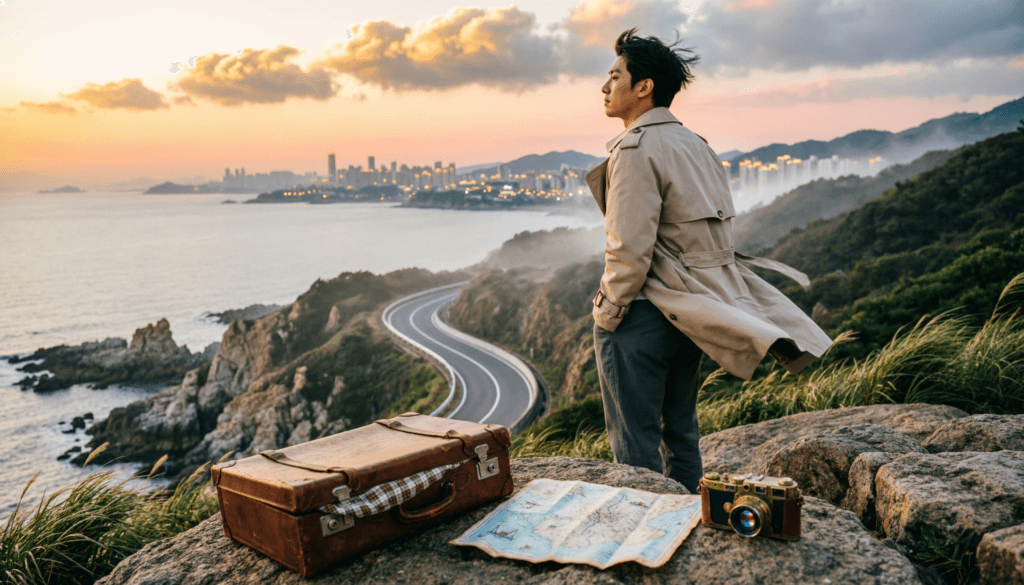
We’ve all had them: those trips that, despite the photos, blur into a collage of airports, hotel rooms, and tourist traps. Then there are the others. The ones that ignite a spark deep within, etching themselves into your memory not as a series of events, but as a vivid, unfolding story. These are the journeys you recount again and again, the ones that become part of your personal legend.
At Syvix.blog, we believe every journey has the potential to be a masterpiece, a “story worth telling.” It’s not about grand budgets or exotic locales; it’s about intentional design. It’s about learning how to make your trip memorable, crafting experiences that resonate with emotion, surprise, and the satisfying arc of a well-told tale. Forget simply visiting a place; let’s learn how to live a story, turning your next adventure into one of those truly cinematic travel experiences.
Thinking About Trips as Narratives: Beginning, Middle, and End
Every great story has a structure. It has an inciting incident, a rising action, a climax, a falling action, and a resolution. Your trip can, and should, too. When you approach travel with this narrative mindset, you move beyond a mere itinerary and start thinking about emotional beats, character development (that’s you!), and plot twists.
The Inciting Incident: The Call to Adventure
The moment you decide to go, the booking of the flight, the research into a new culture – these are your inciting incidents. They spark the initial excitement and set the stage. But the true beginning of your story often takes shape as you prepare. What’s your motivation for this journey? What do you hope to discover, about the world or yourself? This internal quest is the driving force of your narrative.
The Rising Action: Exploration and Discovery
Save 10% or more on hotels with Member PricesThis is the bulk of your trip, where you immerse yourself in the new environment. It’s the initial exploration, the challenges overcome, the new foods tasted, the conversations with locals. Each day builds upon the last, adding layers to your understanding and experience. Think of it as the journey your protagonist (you!) undertakes, facing new situations and growing with each encounter.
The Climax: The Peak Experience
Every good story needs a high point, a moment of intense emotion or profound realization. In travel, this is often a planned “set piece” (which we’ll discuss soon), but it can also be an unexpected encounter or a sudden moment of clarity. It’s the summit of the mountain, the unforgettable performance, the breathtaking view that leaves you speechless. This is the moment everything converges, the peak of your cinematic travel experiences.
The Falling Action: Reflection and Winding Down
After the climax, the story doesn’t just end. There’s a period of winding down, of integrating the intense experiences. This might be a quiet day by the sea, a reflective walk through a local market, or simply enjoying the slower pace as the trip draws to a close. It’s a chance to process what you’ve seen and felt, allowing the profound moments to settle.
The Resolution: The Return and Transformation
The journey isn’t truly over until you’ve returned home and integrated the experience. How have you changed? What new perspectives have you gained? The resolution is about reflecting on the entire arc, understanding the impact of your adventure, and realizing how it has shaped your personal narrative. This is where the story becomes truly “worth telling,” as you carry its lessons forward.
Designing Arrival Moments and First Impressions
Save on Luxury Hotels with Orbitz.com!The opening scene of a film sets the tone, introduces the world, and hooks the viewer. Your arrival moment should do the same. It’s your first sensory immersion, your first breath of foreign air, and it profoundly shapes your perception of the entire trip. Don’t let it be a blur of airport transfers and rushed check-ins.
Research and Anticipation
Before you even land, cultivate anticipation. Research local customs, learn a few key phrases, and look at photos of your arrival city. What sounds, smells, and sights are characteristic of this place? Imagine yourself stepping into that world. This pre-visualization makes the actual experience richer.
The Sensory Welcome
25% or more off your dream stayOnce you arrive, engage all your senses. Instead of immediately looking at your phone, pause.
- Sight: Take in the architecture, the street life, the colors.
- Sound: Listen to the language, the street musicians, the city hum.
- Smell: Is it spices, sea air, exhaust fumes, fresh bread?
- Taste: Your first meal in a new place is incredibly important. Seek out a local eatery, something authentic, even if it’s just a street food stall. Let that first bite be a memorable introduction.
- Touch: Feel the cobblestones under your feet, the texture of a local fabric.
Consider your first few hours. Instead of rushing to a major landmark, perhaps take a leisurely walk through your neighborhood, find a local cafe, or simply sit and observe. Allow the new environment to wash over you. If possible, choose accommodation that offers a unique perspective or a sense of place – a boutique hotel in a historic district, a guesthouse with a view, not just a generic chain. These deliberate choices in your arrival can significantly enhance how to make your trip memorable.
Planning 2–3 “Set Pieces” or Highlight Experiences
Every great story has pivotal scenes – moments that define the narrative, reveal character, or push the plot forward. In your travel story, these are your “set pieces.” These aren’t just activities; they are carefully chosen, high-impact experiences designed to be the emotional and sensory anchors of your trip. These are the moments that will undoubtedly become your most cherished cinematic travel experiences.
What Makes a Good Set Piece?
- Uniqueness: It’s something you couldn’t easily do at home, or it’s a quintessential experience of your destination.
- Emotional Impact: It evokes strong feelings – awe, joy, challenge, serenity.
- Multi-Sensory Engagement: It involves more than just sight; think sounds, smells, tastes, and textures.
- Anticipation: It’s something you look forward to, building excitement as the trip progresses.
- Narrative Connection: Ideally, it ties into the broader theme or personal quest of your trip.
Crafting Your Set Pieces
- Identify Your Core Interests: Are you a food lover? An adrenaline junkie? A history buff? Choose experiences that align with your passions.
- Research Deeply: Don’t just pick the most famous attraction. Look for unique tours, local workshops, hidden gems, or off-peak experiences that offer a more intimate connection.
- Build Anticipation: Once you’ve chosen your set pieces, read up on them. Watch videos, learn the history, imagine yourself there. This pre-experience can amplify the actual moment.
- Space Them Out: Don’t cram all your highlight experiences into one day. Distribute them throughout your trip, allowing for rising action between each one. This creates a rhythm, like chapters in a book.
- Examples:
- Culinary: A hands-on cooking class with a local chef, foraging for ingredients in a rural market, a multi-course tasting menu at a renowned restaurant.
- Adventure: A sunrise hike to a panoramic viewpoint, white-water rafting down a scenic river, a hot air balloon ride over an ancient landscape.
- Cultural Immersion: Attending a traditional festival, participating in a local craft workshop, a private guided tour of a historical site that brings the past alive.
These set pieces are the tentpoles of your narrative, the scenes that will play out vividly in your mind long after you’ve returned home. They are designed to be the moments you recount first when sharing your story.
Leaving Room for Spontaneity and Discovery
Spring for a Getaway: Save 40% or more on hotels!While set pieces provide structure, a truly compelling story also needs unexpected twists, chance encounters, and moments of serendipity. Over-planning can stifle the magic of discovery. The best travel stories often emerge from the unplanned, the detours, and the happy accidents. These moments are crucial for travel storytelling tips.
Embrace the “Plot Twist”
Allocate specific blocks of time in your itinerary for “unstructured exploration.” This might mean:
- Getting Lost (Safely): Wander without a map (or with a general sense of direction) down an intriguing side street. You might stumble upon a hidden courtyard, a charming local shop, or a vibrant street art display.
- Following Your Nose: Let the smell of freshly baked bread or an interesting aroma guide you to an unexpected cafe or market.
- Asking Locals: Don’t be afraid to strike up conversations. Ask for their favorite hidden gems, the best place for a sunset view, or a local dish that isn’t on the tourist menu. These recommendations often lead to the most authentic and memorable experiences.
- Saying “Yes”: Be open to invitations or opportunities that arise unexpectedly. A spontaneous conversation might lead to an impromptu tour or a shared meal.
The Art of Unscheduled Moments
These moments of spontaneity aren’t just about finding something new; they’re about being present and receptive. They allow for genuine connection with a place and its people, fostering a sense of adventure and personal agency. Sometimes, the most profound discoveries come when you relinquish control and allow the destination to reveal itself on its own terms.
Think of it as the moments when your character (you!) steps off the predetermined path and truly interacts with the world. These are often the anecdotes that make your story unique and personal, adding depth and richness beyond the planned highlights. They are often the most effective travel storytelling tips, providing authentic content.
Capturing the Story (Photos, Notes) Without Being on Your Phone Constantly
Beach Destination Deals: Save 10% or more on a beach vacationTo truly tell your story, you need to capture its essence, but not at the expense of experiencing it. The goal isn’t just to document, but to remember and relive. It’s about being an active participant in your narrative, not just a passive observer through a screen.
Intentional Photography: Beyond the Snapshot
Instead of snapping hundreds of identical photos, be deliberate.
- Look for Emotion: Capture expressions, interactions, and moments that convey feeling.
- Focus on Details: A close-up of a local craft, the texture of an ancient wall, the steam rising from a street food vendor’s pot. These details add richness to your narrative.
- Think in Sequences: Can you tell a mini-story with a few photos? A person making something, then the finished product; a scene unfolding; a landscape changing from dawn to dusk.
- People, Not Just Places: While iconic landmarks are great, photos of people (with permission, of course) or you interacting with the environment inject life and personality into your story.
- Put the Camera Down: After getting a few good shots, lower your camera or phone and just be present. Let the scene imprint itself on your mind.
The Power of the Pen: Journaling Your Journey
A notebook is your most powerful storytelling tool.
- Sensory Details: What did you see, hear, smell, taste, and feel? These are the building blocks of descriptive writing.
- Conversations: Jot down snippets of dialogue with locals, fellow travelers, or your companions.
- Reflections and Emotions: How did a particular moment make you feel? What thoughts did it spark? This is where the deeper meaning of your journey resides.
- Unexpected Discoveries: Note down the name of that hidden cafe, the artisan shop, or the local dish you loved.
- Voice Memos: If writing isn’t practical, record quick voice notes to capture immediate thoughts and observations.
Mental Snapshots and Post-Trip Reflection
Sometimes, the best way to capture a moment is simply to commit it to memory. Close your eyes for a few seconds, breathe deeply, and consciously try to absorb the scene.
Once you return, don’t let the story fade.
- Review Your Notes and Photos: This is where you begin to weave your narrative.
- Talk About It: Share your stories with friends and family. Each retelling solidifies the memory and helps you refine your narrative.
- Create a Story Album or Blog Post: Don’t just dump photos. Curate them, add captions, and write short narratives that connect the dots. This is the final act of your storytelling, transforming individual moments into a cohesive, compelling tale of how to make your trip memorable.
Example: A 3-Day Story Outline in Coastal Portugal
Let’s imagine a 3-day trip to the rugged, sun-drenched coast of Portugal, designed as a mini-story.
Day 1: The Inciting Incident & Sensory Immersion – Arrival in Cascais
- Morning (Arrival & Setting the Scene): Arrive at Lisbon airport, take the scenic coastal train to Cascais. The first impression is the salty air, the sound of gulls, and the vibrant blue of the Atlantic. Check into a charming guesthouse near the marina.
- Afternoon (Rising Action – First Exploration): A leisurely walk through the cobbled streets of Cascais, soaking in the atmosphere. Taste the first pastel de nata and a strong Portuguese coffee. Find a local spot for fresh seafood for lunch.
- Evening (First Taste of the Narrative): Watch the sunset from Boca do Inferno (Hell’s Mouth), feeling the raw power of the ocean. Dinner at a small, family-run tasca, engaging in broken Portuguese with the owner, sampling local wines. The sense of adventure has begun.
Day 2: The Climax – Discovering Sintra’s Enchantment & Cabo da Roca
25% or more off your dream stay- Morning (Building Anticipation): A short bus ride inland to the mystical hills of Sintra. The journey itself is a visual feast, winding through lush forests.
- Mid-day (The Set Piece – Pena Palace): Explore the vibrant, fairytale Pena Palace. This is the first major “set piece.” Ascend to its colorful turrets, feeling like you’re stepping into a dream. The panoramic views are breathtaking, a moment of pure awe and wonder.
- Afternoon (Another Set Piece – Cabo da Roca): Journey to Cabo da Roca, the westernmost point of mainland Europe. Stand at the edge of the world, feeling the immense scale of the ocean and the wind whipping around you. This is the second “climax,” a moment of profound reflection on vastness and endings.
- Evening (Falling Action – Local Flavors): Return to Cascais. A quieter evening, perhaps a cooking class focused on Portuguese tapas, allowing the intense experiences of the day to settle. Share stories and laughter with fellow travelers.
Day 3: Spontaneity, Discovery & Resolution – The Fisherman’s Village
- Morning (Spontaneity & Discovery): Instead of a strict plan, head to the local market for breakfast. Strike up a conversation with a fishmonger, who recommends a tiny, authentic fisherman’s village just a short bus ride away, a place not in the guidebooks.
- Mid-day (The Unplanned Twist): Explore this hidden village. Watch fishermen mend their nets, enjoy a simple, incredibly fresh grilled fish lunch by the harbor, and discover a secluded beach. This unscripted detour becomes a cherished memory, a true discovery.
- Afternoon (Winding Down): Return to Cascais. A last stroll along the beach, collecting seashells, reflecting on the beauty and unexpected charms of Portugal. Perhaps write some notes in the journal.
- Evening (Resolution & Departure): A farewell dinner, savoring the flavors and recounting the trip’s highlights. Pack bags, feeling a sense of fulfillment and quiet transformation. The story feels complete, ready to be told back home.
By consciously structuring your journey with these narrative elements – from the initial spark of arrival to the planned climaxes and the beautiful surprises of spontaneity – you elevate a mere trip into a truly unforgettable story. These are the foundations of effective travel storytelling tips, ensuring your next adventure is not just a vacation, but a compelling narrative waiting to unfold.

