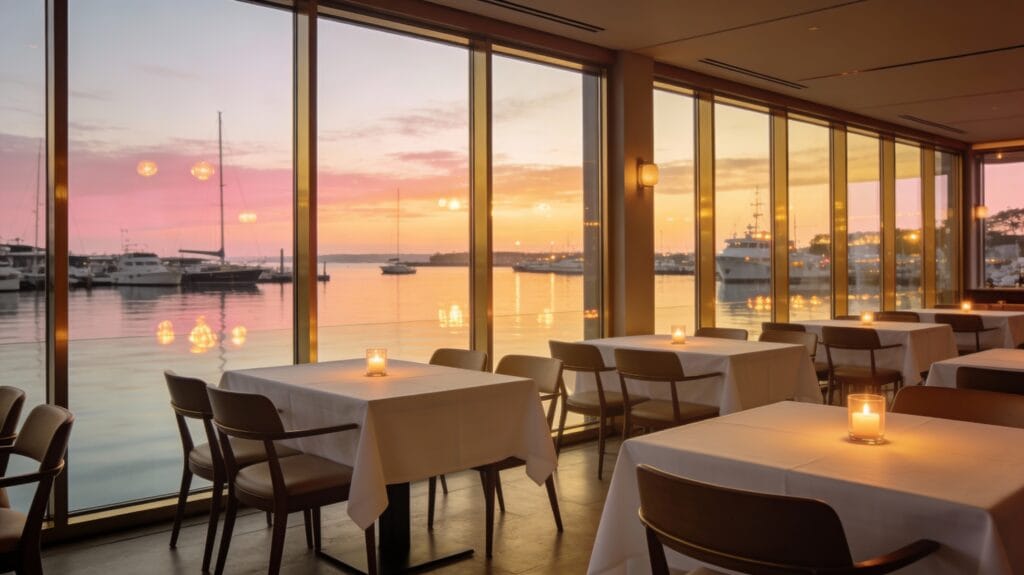
In our increasingly fast-paced world, the concept of home has evolved beyond mere shelter. It’s become our primary haven, a place where we seek comfort, connection, and, crucially, escape. Yet, for many, the idea of a dedicated “luxury home retreat” feels like an unattainable dream, relegated to sprawling mansions and unlimited budgets. But what if we told you that creating your own personal sanctuary – an “escape wing” – is entirely within reach, even in a modest home and on a realistic budget?
Life throws a lot at us: demanding jobs, endless errands, the constant hum of digital notifications. It’s easy to feel perpetually “on,” leaving little room for genuine unwinding. This is precisely why having a designated escape area matters so much. It’s not about extravagance; it’s about intention. It’s about carving out a space where you can genuinely disconnect, recharge, and reconnect with yourself. Whether it’s a quiet corner for reading, a serene bathroom for a spa-like soak, or a cozy nook for mindful meditation, creating an escape space at home is an investment in your well-being. This article will guide you through transforming part of your home into a mini-retreat, proving that luxury isn’t about price tags, but about thoughtful design and personal solace.
Choosing the Right Zone: Finding Your Sanctuary’s Starting Point
The first step in designing your escape wing is to identify the ideal location within your home. This isn’t necessarily about finding the largest room, but the one with the most potential for peace and privacy. Think creatively about underutilized or overlooked spaces.
- The Underutilized Guest Room: Often, a spare bedroom serves as little more than a storage unit or an occasional crash pad. This room often offers the perfect combination of privacy, existing infrastructure (light, power), and enough square footage to truly transform.
- The Master Suite Extension: If your master bedroom is generously sized, consider partitioning a section to create a dedicated retreat area. This could be a reading nook by a window, a small meditation zone, or even an expanded master bathroom that feels more like a personal spa.
- A Basement Corner or Attic Nook: While these might require more initial work to ensure comfort (insulation, lighting, climate control), they often offer unparalleled seclusion and the opportunity to design a space truly from scratch. Basements can excel for media corners due to natural darkness, while attics can provide unique architectural features and quiet.
- A Large Walk-In Closet or Pantry: Don’t underestimate the potential of these smaller spaces. A spacious walk-in closet, when cleared out and thoughtfully designed, can become a surprisingly cozy reading nook or a meditation pod.
- A Den, Office, or Formal Living Room: If these rooms are not in constant use for their primary purpose, they can be dual-purposed. With clever zoning and design, your home office could transform into a serene retreat after hours.
When assessing potential zones, consider:
- Privacy: Can the area be easily separated from high-traffic zones of the home? Doors, screens, or even heavy curtains can help.
- Noise Levels: Is it away from the kitchen, laundry room, or children’s play areas? Soundproofing solutions, even budget-friendly ones, can make a significant difference.
- Natural Light Potential: While not strictly necessary for every element, natural light greatly enhances mood and well-being.
- Existing Infrastructure: Access to plumbing for a spa bathroom, or electrical outlets for lighting and media, will influence your budget and design choices.
Zoning and Layout: Sculpting Your Retreat’s Experience
Once you’ve identified your core space, the next step is to think about its layout and how different activities will coexist. An “escape wing” isn’t just one room; it’s an interconnected experience designed for flow and tranquility.
Defining Quiet vs. Active Zones (Gently Active)
Even within a single room or a small suite of spaces, consider how you’ll delineate areas for different modes of relaxation.
- Quiet Zones: These are for deep relaxation, introspection, and calm. Think reading, meditation, napping, or simply enjoying quiet contemplation.
- Design Focus: Maximize sound dampening (rugs, heavy curtains), soft, indirect lighting, comfortable, enveloping seating.
- Placement: Ideally tucked away from the main thoroughfare, perhaps by a window or in a corner.
- Gently Active Zones: These areas might involve light stretching, gentle yoga, listening to music, watching a calming documentary, or engaging in a quiet hobby like journaling or sketching.
- Design Focus: Adequate task lighting, comfortable yet supportive seating, perhaps a small cleared area for movement.
- Placement: Can be slightly more open but still maintains a sense of peaceful separation.
Harnessing Light: Natural and Artificial
Light is a powerful mood-setter. Thoughtful lighting design is paramount in creating an inviting escape.
- Natural Light: Maximize it where possible. Position reading nooks near windows. Use sheer curtains or blinds that allow light in while maintaining privacy. If natural light is limited, consider a sun tunnel or even a large, well-placed mirror to amplify existing light.
- Artificial Light: This is where you truly control the ambiance.
- Dimmers: Non-negotiable for creating varying moods, from bright and functional to soft and intimate.
- Layered Lighting: Combine ambient (general room light), task (for reading), and accent (to highlight art or plants) lighting.
- Warm Color Temperatures: Opt for bulbs in the 2700K-3000K range for a cozy, inviting glow, avoiding harsh cool white light.
- Smart Lighting: Wi-Fi enabled bulbs allow you to change colors and brightness from your phone, offering endless mood possibilities.
Cultivating Views: Connecting with the Outside (or Inside)
A connection to nature or a pleasant visual focus significantly enhances relaxation.
- Outdoor Views: If your chosen space has a window, make the most of it. Frame a pleasing view with minimal window treatments. If the view isn’t ideal, consider a window box with lush plants, or a privacy screen that still allows light.
- Indoor Views: If an outdoor view isn’t possible, create an intentional indoor focal point. This could be:
- A beautifully curated gallery wall of calming art.
- A large, vibrant plant or a collection of smaller ones.
- A water feature that offers both visual appeal and soothing sound.
- A well-styled bookshelf that invites quiet contemplation.
Elements of a Luxury Home Escape Wing: Tailoring Your Retreat
Now, let’s explore the core components that can transform your chosen zone into a full-fledged escape wing. Remember, you don’t need all of these; choose what resonates most with your vision of relaxation.
The Spa Bathroom: Your Personal Oasis
One of the most popular home spa design ideas involves elevating your bathroom experience. This isn’t about ripping out and replacing everything; it’s about thoughtful upgrades that create a sensory haven.
- The Shower Experience:
- Rainfall Showerhead: A relatively inexpensive upgrade that provides an instantly luxurious feel.
- Handheld Shower Wand: Adds versatility and ease.
- Eucalyptus or Lavender Shower Steamers: Infuse your shower with aromatherapy.
- Teak Shower Mat: A small detail that adds a touch of natural luxury.
- The Soaking Tub (If You Have One):
- Refinish, Don’t Replace: If your tub is dated but structurally sound, professional refinishing is far more affordable than a new installation.
- Bath Caddy: Holds books, candles, and a drink for the ultimate soak.
- Bath Salts & Essential Oils: Elevate the experience.
- Ambiance & Comfort:
- Dimmable Lighting: Essential for setting a serene mood.
- Plush Towels & Robes: Invest in high-quality, absorbent textiles.
- Aromatherapy Diffuser: Infuse the air with calming scents like lavender, chamomile, or sandalwood.
- Greenery: A few well-placed, humidity-loving plants (ferns, orchids) bring life and freshness.
- Soft Rug: A bath mat that feels luxurious underfoot.
- Declutter: Keep surfaces clear and organized for a sense of calm.
The Reading Nook: A Haven for Minds
A dedicated reading nook is a cornerstone of many personal retreats. It’s about creating an inviting space solely for getting lost in a book.
- Comfortable Seating: The star of the show. An oversized armchair, a chaise lounge, a window seat with plush cushions, or even a daybed can serve as your reading throne. Prioritize comfort and support.
- Excellent Task Lighting: A floor lamp with an adjustable arm or a wall-mounted sconce will provide focused light without harsh glare. Again, a warm color temperature is key.
- Small Side Table: Essential for holding your book, a cup of tea, or a small snack. Look for vintage finds or DIY options.
- Bookshelves: Keep your favorite reads within arm’s reach. Even a floating shelf or a small rolling cart can suffice.
- Soft Textiles: A cozy throw blanket and a decorative pillow enhance comfort and visual appeal.
- Sound Control: If possible, a thick rug or heavy curtains can help absorb sound and create a more intimate atmosphere.
The Media Corner: Immersive Escape
For some, true escape means diving into a cinematic experience or losing themselves in music. A media corner can be surprisingly luxurious without breaking the bank.
- The Visuals:
- Projector & Screen: A surprisingly affordable way to get a truly cinematic experience. Many portable projectors offer excellent quality for under $300, and a plain white wall can serve as a screen.
- Smart TV: If a projector isn’t feasible, a well-placed smart TV with streaming capabilities is perfect.
- The Sound:
- Quality Bluetooth Speaker: A good quality portable speaker can provide surprisingly rich sound for music or movie dialogue.
- Soundbar: A step up, offering better depth and clarity for TV audio.
- Headphones: For truly immersive, private listening without disturbing others.
- Comfortable Seating: Reclining chairs, bean bags, or a plush sofa with plenty of pillows and throws.
- Blackout Curtains: Essential for controlling light and enhancing the viewing experience.
- Smart Storage: Keep remotes, cables, and devices neatly tucked away to maintain a clutter-free, serene environment.
The Outdoor Area: A Breath of Fresh Air
If your escape wing has access to a balcony, patio, or even a small patch of garden, integrate it! Connecting with nature is inherently calming.
- Privacy Screens: Bamboo screens, trellises with climbing plants, or even strategically placed large potted plants can create a secluded feel.
- Comfortable Seating: A weather-resistant armchair, a small bistro set, or a comfy hammock.
- Greenery: Potted plants, herbs, or a small water feature add life and tranquility.
- Subtle Lighting: String lights, solar-powered lanterns, or a single outdoor floor lamp create a magical ambiance after dusk.
- Outdoor Rug: Defines the space and adds comfort underfoot.
- Small Fire Pit (if safe and permissible): A compact, portable fire pit can add warmth and a mesmerizing focal point.
Budget Tiers: Designing Luxury on Your Terms
The beauty of creating an escape wing is that it’s scalable. Luxury is about the feeling and functionality, not necessarily the price tag. Here’s how different budgets can achieve stunning results.
Starter Tier (Under $1,000 – $3,000): High-Impact, Low-Cost Transformations
This tier focuses on maximizing impact with minimal structural changes, proving you can create an escape space at home without significant investment.
- Focus: Leveraging existing items, decluttering, paint, lighting, textiles, and sensory elements.
- What you get: A designated, distinct retreat area that feels intentionally designed for relaxation.
- Examples:
- Paint: A fresh coat of calming, muted paint (greys, greens, blues) for the entire room or an accent wall.
- Lighting: Dimmers on existing switches, a new floor lamp, smart bulbs for mood control.
- Textiles: Luxurious throws, plush pillows, a soft area rug, blackout curtains.
- Aromatherapy: A high-quality essential oil diffuser and a selection of calming oils.
- Greenery: Several large, easy-care houseplants.
- Shower Upgrades: A rainfall showerhead, a new set of plush towels, eucalyptus bundles for the shower.
- Sound: A good quality Bluetooth speaker, perhaps a small indoor water feature.
- Decluttering & Organization: Investing time and perhaps a few small storage bins to create a serene, clutter-free environment.
- DIY Touches: Repurposing existing furniture with paint or new hardware, building a simple floating shelf.
Mid-Tier ($3,000 – $10,000): Thoughtful Upgrades & Minor Renovations
This budget allows for more significant changes and investments in key pieces, elevating the comfort and functionality of your retreat.
- Focus: Upgrading key fixtures, investing in one or two substantial furniture pieces, and enhancing structural elements.
- What you get: A highly functional and aesthetically pleasing escape wing with noticeable improvements in comfort and design.
- Examples:
- Furniture: A truly comfortable armchair or chaise lounge for the reading nook, a quality sofa for the media corner.
- Bathroom: Refinishing an existing tub, new vanity top, upgraded tiles in the shower, custom shelving.
- Built-ins: Custom bookshelves or a window seat with storage, maximizing space and adding a bespoke feel.
- Soundproofing: Adding insulation to a shared wall, installing a solid core door for better noise reduction.
- Advanced Lighting: More extensive smart lighting system, professional installation of accent lighting.
- Outdoor Space: Installing a small privacy screen, a quality outdoor rug, and comfortable, weather-resistant seating.
- Media: A dedicated projector and pull-down screen system, or a larger, higher-quality smart TV.
- Flooring: Replacing old carpet with a more serene option like engineered wood or luxury vinyl plank.
Aspirational Tier ($10,000+): Comprehensive Luxury & Professional Touch
At this level, you’re looking at more extensive renovations and premium selections, allowing for a truly bespoke luxury home retreat.
- Focus: Major renovations, high-end materials, custom features, and professional design/installation.
- What you get: A fully integrated, high-end escape wing that feels like a dedicated extension of your home, offering unparalleled comfort and sophistication.
- Examples:
- Bathroom: Full bathroom renovation with a new walk-in shower (steam shower option), freestanding soaking tub, heated floors, custom cabinetry, high-end fixtures. These home spa design ideas transform the space.
- Structural Changes: Adding a new wall to create a separate room, installing larger windows or French doors to connect to an outdoor area.
- Custom Millwork: Bespoke shelving units, built-in desks, or custom bed frames that perfectly fit the space and design aesthetic.
- Advanced Soundproofing: Professional soundproofing for walls, ceilings, and floors, creating a truly quiet sanctuary.
- High-End Media: Integrated surround sound system, hidden projector screens, acoustic wall panels for optimal sound.
- Outdoor Transformation: Creating a fully landscaped private patio, installing a pergola, outdoor fireplace, or even a small plunge pool/hot tub.
- Smart Home Integration: Full automation for lighting, climate, music, and blinds, all controllable from a single device.
- Premium Furnishings: Investing in designer furniture pieces, high-quality mattresses for daybeds, and luxurious natural material finishes.
Small, High-Impact Upgrades: The Details That Define Luxury
Regardless of your budget tier, it’s the small, thoughtful details that truly elevate a space from functional to luxurious. These upgrades are often inexpensive but have a profound effect on the overall ambiance.
- Lighting Ambiance:
- Dimmers: As mentioned, these are king. Install them on every light switch in your escape wing.
- Smart Bulbs: Allow for color temperature changes (warm for relaxation, brighter for reading) and intensity control.
- Accent Lighting: Small LED strips under shelves, puck lights in display cabinets, or directional spotlights on artwork create depth and visual interest.
- Salt Lamps or Fairy Lights: Add a soft, warm glow that enhances coziness.
- Luxurious Textiles:
- Plush Throws & Blankets: Opt for materials like cashmere, faux fur, chunky knits, or high-quality wool.
- Soft Pillows: Layer decorative pillows on chairs and sofas in varying textures and sizes.
- Area Rugs: A thick, soft rug anchors the space, adds warmth, and dampens sound.
- Blackout Curtains: Crucial for light control and privacy, they also add a layer of texture and sound dampening.
- Scent as a Signature:
- Essential Oil Diffusers: A must-have for aromatherapy. Choose calming scents like lavender, cedarwood, frankincense, or a blend of citrus for an uplifting feel.
- High-Quality Candles: Look for soy or beeswax candles with natural scents.
- Fresh Flowers or Herbs: A simple bouquet or a potted herb like mint or rosemary provides natural fragrance.
- Room Sprays: A quick spritz of a calming scent before you enter the space.
- Acoustic Comfort:
- Soft Furnishings: Rugs, heavy curtains, upholstered furniture, and wall hangings all absorb sound.
- White Noise Machine: Can mask external noises and provide a consistent, calming hum.
- Indoor Water Feature: A small tabletop fountain provides a gentle, soothing trickling sound.
- Strategic Placement: Arrange furniture to create natural sound buffers.
- Biophilic Design:
- Plants: Introduce greenery! Plants purify the air, add life, and connect you to nature. Choose varieties that thrive in your chosen space.
- Natural Materials: Incorporate wood, stone, rattan, or linen accents to bring organic textures into the room.
- Decluttering and Organization:
- A truly luxurious space is free from visual clutter. Invest in smart storage solutions – baskets, hidden compartments, or minimalist shelving – to keep things tidy and serene. A clear space equals a clear mind.
Your Personal Haven Awaits
Designing a luxury home retreat is not about chasing an ideal from the pages of a magazine; it’s about crafting a space that genuinely serves your need for peace and rejuvenation. By thoughtfully choosing your zone, strategically planning the layout, selecting elements that resonate with your vision, and implementing high-impact upgrades, you can create an escape space at home that feels utterly luxurious, regardless of your budget.
Start small, dream big, and remember that the true luxury lies in having a designated haven where you can truly create an escape space at home, unwind, and be yourself. Your personal oasis is not just a dream; it’s a design project waiting to happen. What element will you incorporate first into your ultimate luxury home retreat?