In 2026, the luxury landscape has undergone a fundamental transformation. The era of bold logos, conspicuous consumption, and flashy displays of wealth has given way to something far more sophisticated: quiet luxury. This shift represents not just a change in aesthetics, but a complete reimagining of what luxury means in the modern age.
The Death of Logo Culture
Quiet luxury prioritizes subtle elegance that alludes to quality and craftsmanship over loudness and spectacle. Today’s affluent consumers are moving away from items that scream their price tags, instead gravitating toward pieces that whisper their value through impeccable construction, rare materials, and timeless design. This trend reflects a maturation of luxury consumers who no longer need external validation of their status.
The global personal luxury goods market is projected to reach nearly $440 billion by 2026, but the drivers of this growth have fundamentally changed. Bruno Pavlovsky, president of Chanel fashion, captured this paradox perfectly: “We must navigate our path with extreme caution and sophistication while still inspiring dreams. If luxury loses its allure and no longer sparks aspiration, it ceases to be luxury”.
The New Luxury Consumer
Gen Z and millennials will make up approximately 75% of luxury buyers by 2026, and these generations have radically different expectations than their predecessors. They demand speed, transparency, and cultural relevance from brands. More importantly, they value authenticity over ostentation. For these consumers, true luxury lies in knowing the provenance of materials, understanding the artisan’s craft, and owning pieces that reflect personal values rather than societal expectations.
This demographic shift has profound implications for luxury brands. The younger generation isn’t impressed by brand heritage alone; they want to understand what makes a product exceptional. They research construction methods, investigate sustainability practices, and demand accountability. Quiet luxury aligns perfectly with these values, emphasizing the intrinsic qualities of products rather than their external signaling power.
Craftsmanship Over Celebrity
The quiet luxury movement has elevated craftsmanship to its rightful place at the center of luxury discourse. Consumers in 2026 are increasingly knowledgeable about manufacturing processes, material sourcing, and design innovation. They appreciate hand-stitched seams, natural dyes, and traditional techniques passed down through generations. This appreciation extends beyond fashion to watches, jewelry, furniture, and even technology products.
Luxury brands are responding by opening their workshops to consumers, sharing the stories of their artisans, and investing in heritage techniques that were nearly lost to mass production. The narrative has shifted from “look what I own” to “understand what this represents.” This creates a more intimate relationship between consumer and product, one built on appreciation rather than aspiration.
Sustainability as a Luxury Standard
Sustainability has become non-negotiable in the luxury sector. The secondhand luxury market is valued at billions of dollars, with circular-economy models becoming mainstream as younger consumers demand environmental accountability. Quiet luxury aligns naturally with sustainable practices because it emphasizes longevity, quality, and timelessness—the antithesis of fast fashion and disposable consumption.
Forward-thinking luxury brands are embracing transparency in their supply chains, investing in sustainable materials, and creating repair and restoration services that extend product lifecycles. These initiatives aren’t just marketing; they’re fundamental to maintaining relevance with conscious consumers who view sustainability as an essential component of true luxury.
The Aesthetic of Restraint
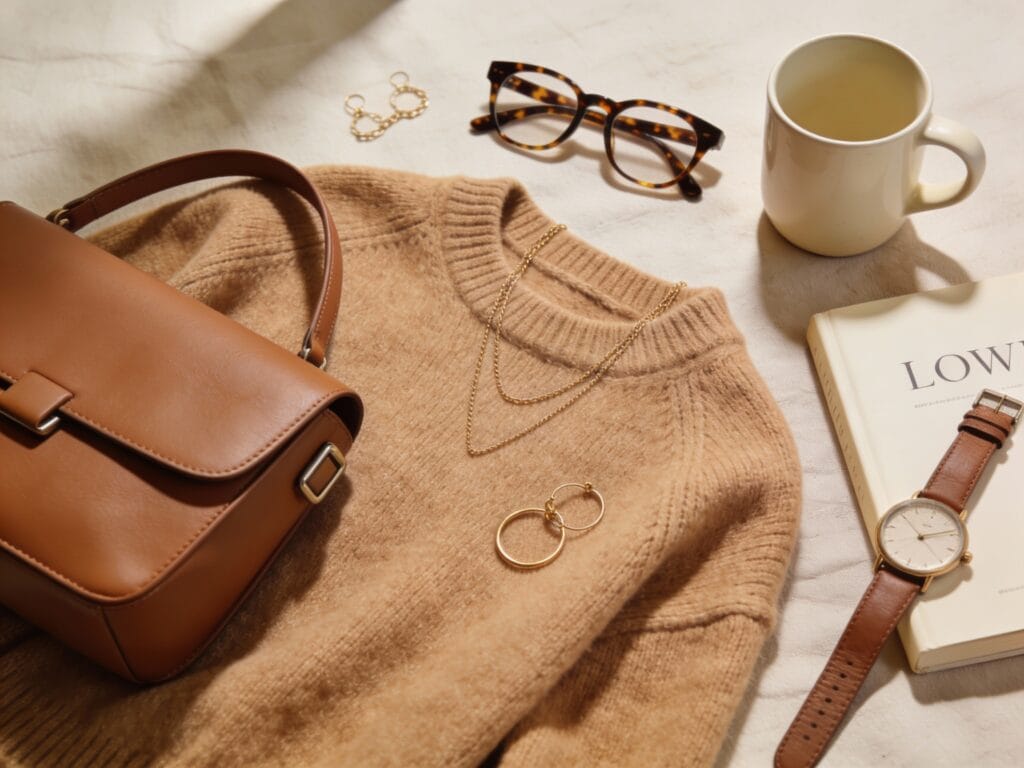
Visually, quiet luxury is characterized by neutral color palettes, clean lines, and impeccable fit. The focus is on silhouette and proportion rather than embellishment and branding. Fabrics speak for themselves—cashmere that’s impossibly soft, leather that develops a beautiful patina, wool that drapes perfectly. The details are exquisite but understated: a hand-rolled hem, perfectly matched patterns at the seams, buttons made from rare materials.
This aesthetic extends to all aspects of luxury living. Interior design embraces natural materials, custom pieces by local artisans, and spaces that prioritize comfort and functionality over showiness. Technology products are designed with minimalist interfaces and premium materials that feel substantial without screaming luxury. Even luxury travel has shifted toward intimate experiences and authentic cultural immersion rather than ostentatious displays of wealth.
Investment Dressing Returns
The quiet luxury movement has revitalized the concept of investment dressing—purchasing fewer, better pieces that last for years or even decades. This approach makes both economic and environmental sense. A well-made coat that costs significantly more upfront but lasts twenty years represents better value than multiple cheaper alternatives that need replacing every few seasons.
This philosophy requires patience and discernment. It means researching brands, understanding quality markers, and being willing to pay for excellence. But it also creates a more meaningful relationship with possessions. Each piece in a quiet luxury wardrobe or home has been carefully considered and genuinely valued, creating a curated life rather than an accumulated one.
The Future of Luxury
As we move further into 2026, quiet luxury shows no signs of waning. If anything, it’s deepening and expanding into new categories. The principles of subtle sophistication, exceptional quality, and meaningful consumption resonate across demographics and product categories. This isn’t a trend that will cycle out; it’s a fundamental realignment of luxury values.
For entrepreneurs and brands in the luxury space, this shift demands authenticity and excellence. There’s no hiding behind marketing when consumers are educated and discerning. Success requires genuine commitment to quality, transparency in practices, and respect for both craftsmanship and customers. The reward is a loyal customer base that values what you create and advocates for your brand not through visible logos, but through genuine enthusiasm for excellence.
The quiet luxury revolution proves that true sophistication doesn’t need to announce itself. In a world of constant noise and conspicuous consumption, subtlety has become the ultimate statement. Those who understand this will thrive in the new luxury economy; those who don’t will find themselves increasingly irrelevant to the consumers who matter most.