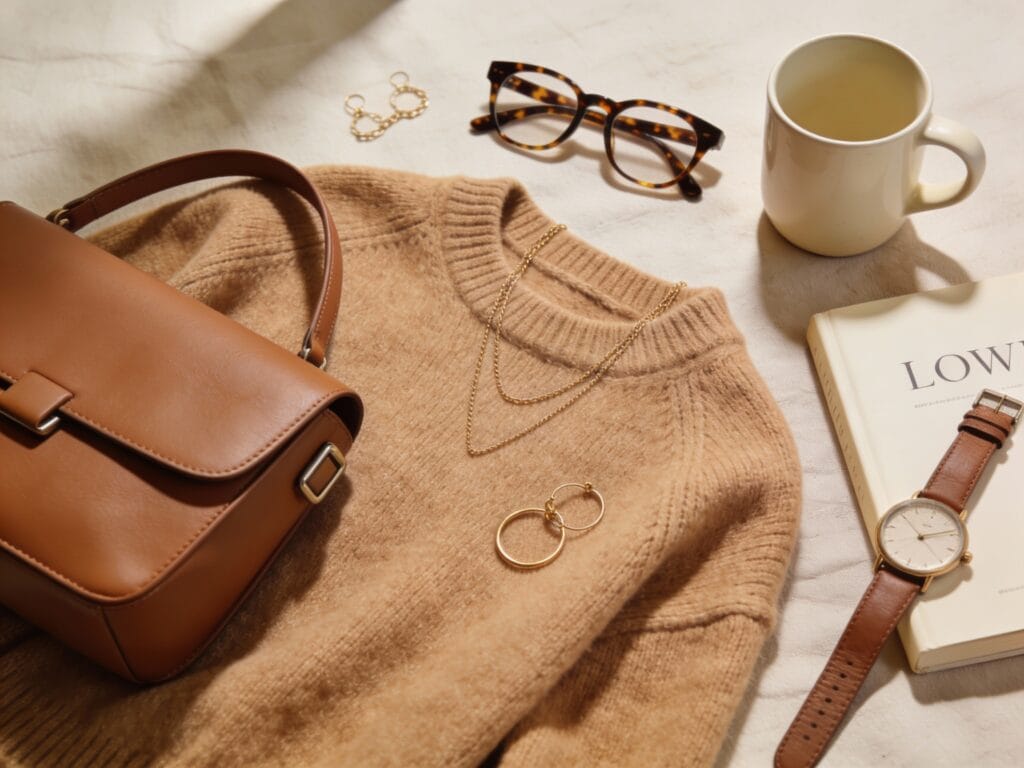
The fashion world has shifted away from flashy logos and obvious branding. Quiet luxury fashion in 2026 focuses on exceptional quality, timeless designs, and understated elegance that signals sophistication through craftsmanship rather than visible labels. This approach to dressing prioritizes investment pieces made from premium natural materials that last for decades instead of following fleeting trends.
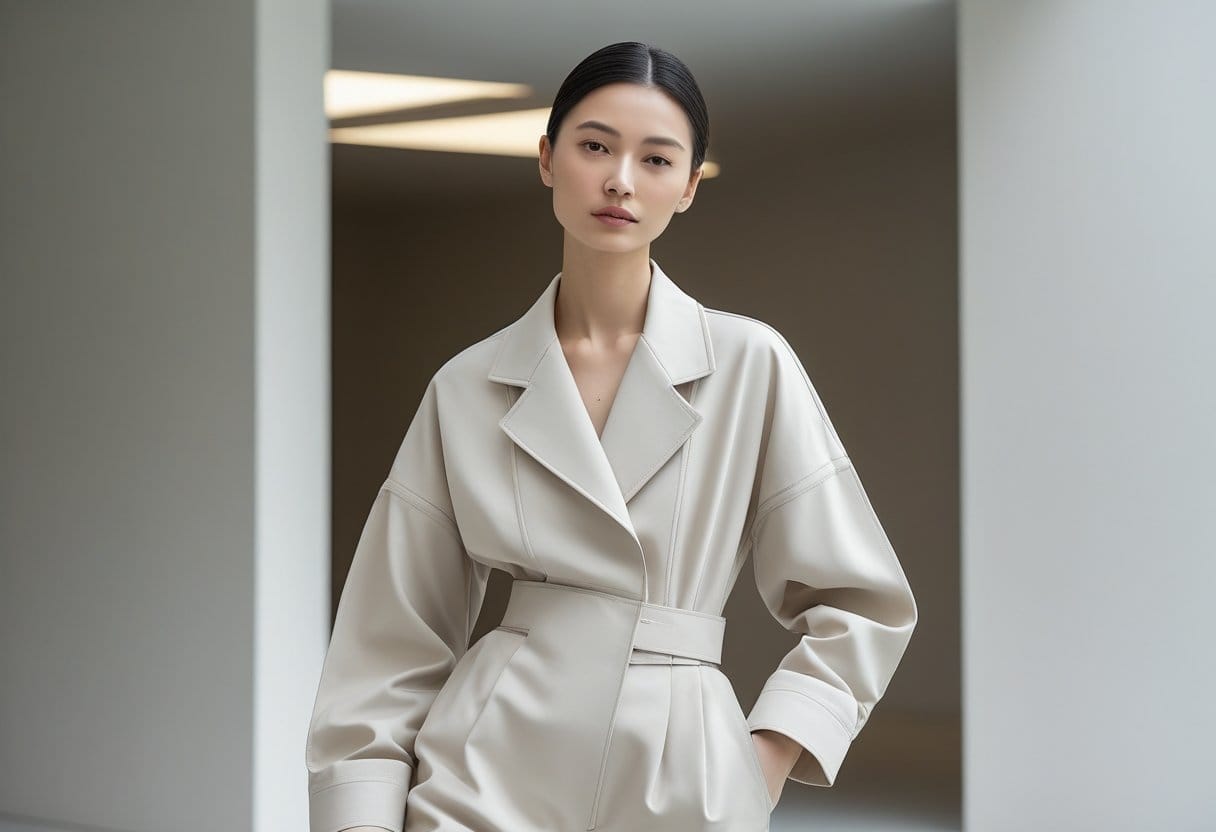
Lazy luxury represents the newest evolution of this movement, bringing a more relaxed approach to elegant dressing. You’ll see loose white poplin trousers paired with oversized cotton sweaters and leather flip-flops that look effortlessly polished without trying too hard. The beauty of this style lies in choosing quality pieces that work together naturally.
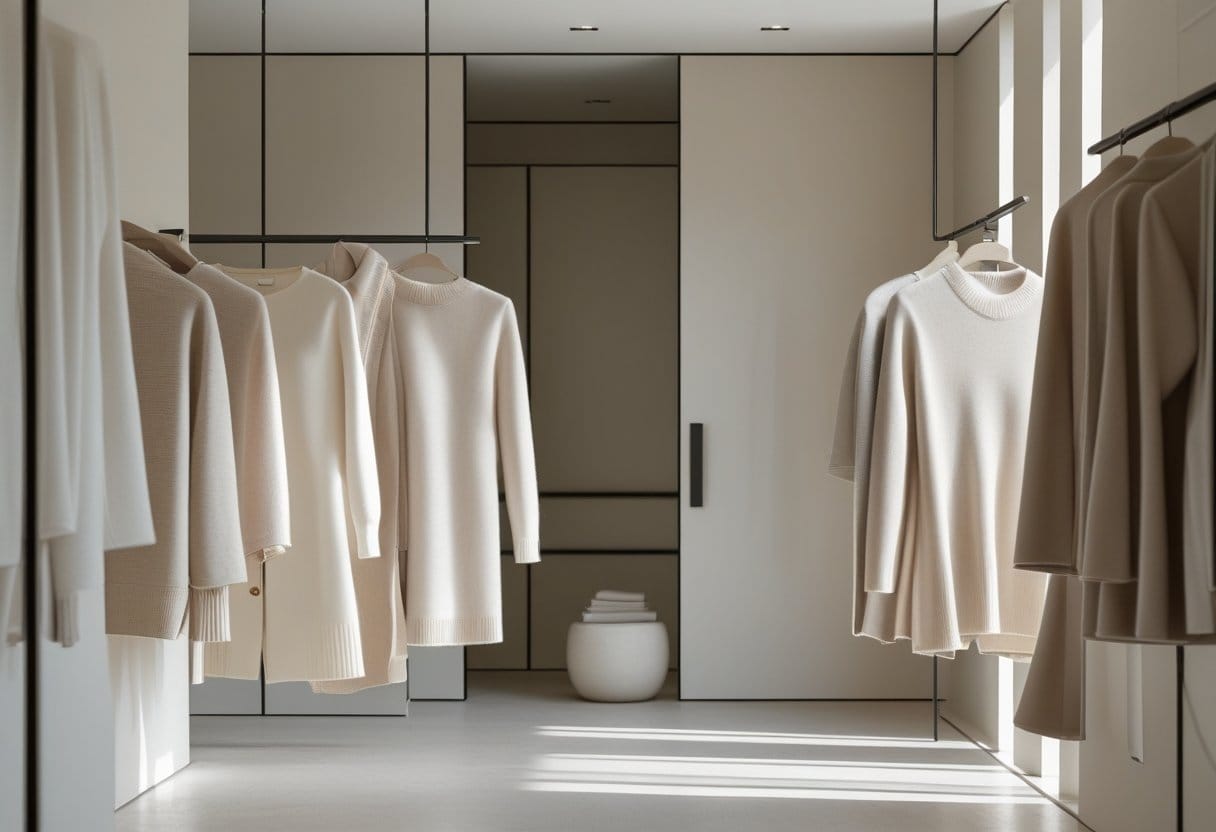
The color palette centers on neutral tones like beige, taupe, sand, stone, and mocha that create a sophisticated look. Brands like The Row, Loro Piana, and Brunello Cucinelli lead this aesthetic by emphasizing exceptional tailoring and artisanal craftsmanship over eye-catching logos. Your wardrobe becomes a collection of carefully chosen basics that develop character as they age gracefully.
Key Takeaways
- Quiet luxury prioritizes quality craftsmanship and timeless designs over flashy logos and trend-driven pieces
- Investment in natural fabrics like cashmere, linen, and silk from heritage brands creates a wardrobe that lasts decades
- The lazy luxury evolution brings relaxed elegance through neutral tones and effortless styling
Defining Quiet Luxury Fashion in 2026
Quiet luxury fashion centers on quality craftsmanship and refined materials rather than visible branding. The aesthetic values timeless pieces that signal taste through subtle details only knowledgeable observers recognize.
Key Characteristics and Principles
Quiet luxury fashion relies on exceptional fabrics like cashmere, silk, linen, and fine wool rather than logos or flashy details. You’ll find neutral color palettes featuring beige, taupe, sand, and greige that create natural elegance without demanding attention.
The fit and construction matter more than trend-driven silhouettes. Your garments should feature precise tailoring with clean lines that flatter without being tight or overly structured. Hand-stitching, hidden seams, and finished interiors mark pieces worth the investment.
Core elements include:
- Premium natural materials that age gracefully
- Impeccable construction with attention to finishing details
- Classic silhouettes that transcend seasonal trends
- Absence of visible logos or branding
- Muted, sophisticated color schemes
The lazy luxury evolution represents a more relaxed approach with oversized cotton sweaters, loose white poplin trousers, and cashmere sweats. This shift maintains quality standards while embracing weekend elegance and effortless styling.
Quiet Luxury Versus Minimalism
Quiet luxury and minimalism share restraint but differ in execution and purpose. Minimalism prioritizes simplicity and reducing possessions to essentials. Quiet luxury emphasizes investing in fewer pieces of exceptional quality.
The stealth wealth aesthetic focuses on refinement rather than recognition. You might own a cashmere coat that costs thousands but looks understated to most observers. Minimalism might choose a simple cotton coat at any price point.
Material quality separates these approaches. Your quiet luxury wardrobe features the finest cashmere, silk, and leather available. Minimalism doesn’t require premium materials. The old money aesthetic inherent in silent luxury values heritage and longevity over modern simplicity alone.
Cultural Shifts and the Rise of Stealth Wealth
Shows like Succession showcased understated elegance through wool coats and neutral tones, bringing stealth wealth into mainstream consciousness. This cultural moment elevated appreciation for quality craftsmanship over logo-heavy displays.
The quiet luxury trend emerged as a reaction to logo saturation and fast fashion. When social media made every runway look immediately accessible through dupes, true differentiation required unparalleled quality and bespoke fit. Economic uncertainty reinforced this shift toward investment pieces offering lasting value.
You’re seeing timeless sophistication replace flashy displays as wealth signals become more discreet. The movement reflects deeper values around authenticity and sustainability rather than just aesthetic preferences. Post-pandemic mindfulness drove consumers toward meaningful purchases over disposable fashion.
The Foundations: Fabrics, Tailoring, and Craftsmanship
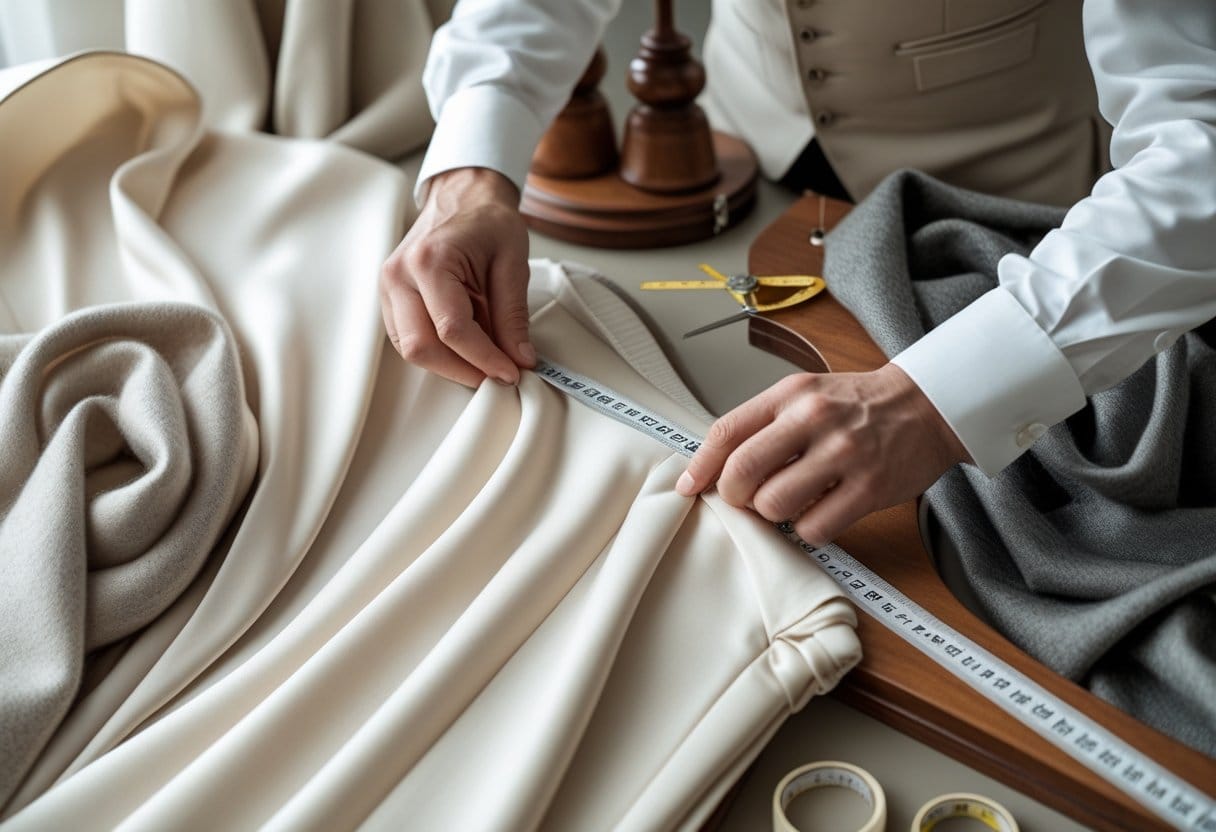
The backbone of quiet luxury lies in three essential elements: exceptional materials, precise tailoring, and superior craftsmanship. These components work together to create pieces that communicate value through touch, fit, and construction rather than visible branding.
Signature Materials: Cashmere, Silk, Linen, Wool, and Leather
Your fabric choices define the quality of your wardrobe. Premium fabrics ensure your pieces last while providing comfort and refined appearance that cheaper alternatives cannot match.
Cashmere stands as the gold standard for soft, warm knits. A cashmere sweater feels luxurious against your skin and maintains its shape better than standard wool. Cashmere sweaters become wardrobe staples because they layer well and work across seasons.
Silk offers natural temperature regulation and a subtle sheen that elevates any outfit. You’ll find it in blouses, scarves, and linings that add comfort without visual weight.
Linen provides breathability and develops character over time. The natural wrinkles in quality linen signal authenticity rather than carelessness.
Merino wool resists odors and wrinkles while feeling softer than traditional wool. A wool coat in merino or blended wool becomes a decades-long investment. The trench coat, when crafted in quality wool gabardine, transitions seamlessly between professional and casual settings.
Leather improves with age when properly sourced and tanned. Leather loafers mold to your feet and develop patina that mass-produced shoes never achieve. Even specialized materials like alpaca offer warmth without bulk for those seeking alternatives to standard wool.
The Role of Tailoring and Silhouette
Proper tailoring flatters naturally and boosts confidence in ways that off-the-rack clothing rarely accomplishes. Your silhouette matters more than trends or branding.
Timeless silhouettes focus on proportion and structure. Clean lines in jackets, trousers, and coats create visual balance that works for your body rather than against it. Shoulders should sit where your shoulders sit, not where a pattern dictates. Sleeves should end at your wrist bone, and trouser breaks should be intentional.
The fit reveals quality immediately. Well-tailored garments move with you instead of restricting or bunching. You should be able to raise your arms, sit comfortably, and walk naturally without adjusting your clothing constantly.
Craftsmanship Over Logos and Minimal Branding
Quiet luxury emphasizes exceptional quality and impeccable tailoring instead of visible logos. Your clothes should speak through their construction, not through brand names plastered across them.
Minimal branding means you won’t find large logos or obvious designer signatures. When brands do include markers, they’re subtle—a small interior label or discrete hardware. This approach keeps your pieces relevant beyond seasonal marketing cycles.
Intrecciato, Bottega Veneta’s signature woven leather technique, demonstrates craftsmanship over logos perfectly. The weave itself becomes the identifier through skilled handwork rather than stamped branding.
The absence of logos also protects your investment. Logo-heavy pieces date themselves quickly as brand popularity shifts. Understated items remain wearable for years regardless of current fashion cycles.
The Value of Quality Materials and Hand-Stitching
Hand-stitching represents the pinnacle of garment construction. You’ll find it in buttonholes, hems, and seams where machines cannot replicate the flexibility and durability of human craftsmanship.
Quality materials justify higher price points through longevity. A well-made cashmere sweater costs more initially but lasts years longer than synthetic alternatives. You actually spend less per wear over the garment’s lifetime.
Hand-stitching allows repairs that extend garment life even further. Machine stitching often requires complete seam replacement, while hand-stitched areas can be reinforced or adjusted without compromising the entire piece. The stitches themselves distribute tension more evenly, reducing stress points that cause fabric failure.
Your investment in quality fabrics, proper tailoring, and exceptional craftsmanship creates a wardrobe that performs better and lasts longer than trend-driven alternatives.
Curating a Quiet Luxury Wardrobe
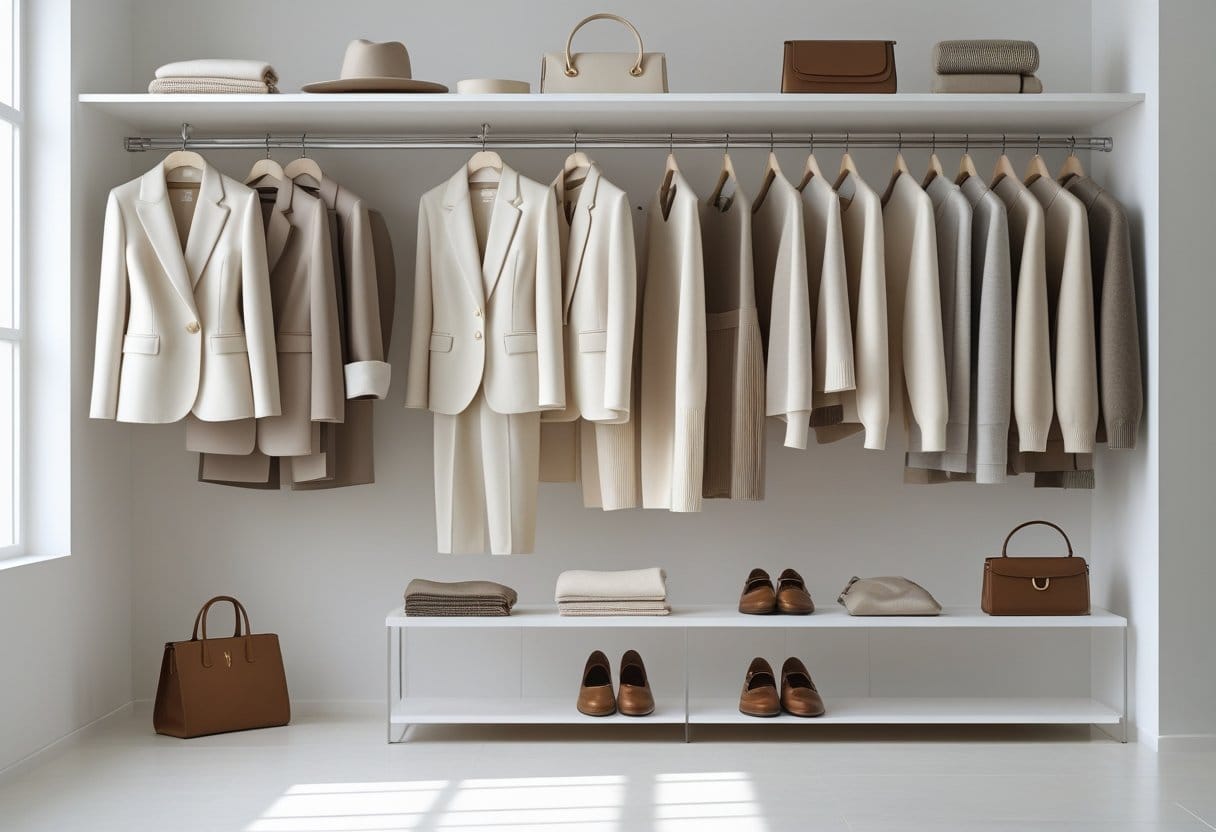
Building a quiet luxury wardrobe requires intentional choices that prioritize quality over quantity. Focus on pieces crafted from premium materials in neutral tones that work together seamlessly while reflecting your personal aesthetic.
Investment Pieces and Long-Term Value
Investment pieces form the foundation of your quiet luxury wardrobe. These are garments and accessories made from superior materials like cashmere, silk, and fine wool that improve with age rather than deteriorate.
Think about cost-per-wear when evaluating purchases. A $1,500 cashmere coat worn 100 times over several years costs $15 per wear, while a $150 synthetic coat lasting one season proves more expensive in the long run.
Look for these characteristics in investment pieces:
- Hand-finished seams and linings
- Natural fiber content (100% wool, silk, cotton, or cashmere)
- Classic cuts that transcend seasonal trends
- Minimal or no visible branding
- Quality hardware on bags and outerwear
Your investment pieces should include a tailored blazer, quality leather shoes, a structured handbag, and a versatile coat. These elevated essentials anchor your entire wardrobe.
Neutral Palettes and Timeless Design
Neutral palettes define the quiet luxury aesthetic. These colors create a cohesive wardrobe where pieces mix effortlessly without requiring constant thought about coordination.
Build your wardrobe around these core neutral tones:
| Color Family | Specific Shades |
|---|---|
| Whites & Creams | Ivory, ecru, bone |
| Beiges & Browns | Sand, taupe, camel, chocolate |
| Grays | Charcoal, slate, greige |
| Blues & Blacks | Navy, midnight, true black |
Neutral colors don’t mean boring. Layer different shades of taupe and sand together to create depth and visual interest. A camel sweater paired with chocolate trousers and cream loafers demonstrates how neutrals create sophisticated combinations.
Timeless design means choosing silhouettes that have proven their staying power over decades. Avoid trendy details like exaggerated shoulders or unusual hemlines that will date your clothing.
Building a Capsule Wardrobe
A capsule wardrobe contains carefully selected pieces that work together interchangeably. For quiet luxury, aim for 12 to 15 core pieces that form countless outfit combinations.
Your quiet luxury capsule wardrobe should include:
Tops
- Two fine-knit cashmere or merino sweaters
- Three premium cotton or silk button-down shirts
- One structured blazer
Bottoms
- Two pairs of tailored trousers (one wool, one cotton or linen)
- One pair of well-fitted dark denim
Outerwear
- One wool or cashmere coat
- One leather jacket or trench
Accessories
- One structured leather handbag
- Quality leather shoes (loafers, ankle boots, or simple pumps)
- One understated watch or piece of jewelry
Each piece should complement the others in color and style. This approach simplifies getting dressed while ensuring you always look polished.
Personal Style and Elevated Essentials
Your personal style should guide how you interpret quiet luxury principles. Some people gravitate toward softer, draped silhouettes while others prefer crisp, structured pieces.
Identify which styles make you feel most confident. Do you reach for wide-leg trousers or slim cuts? Do you prefer crewneck sweaters or V-necks? Your preferences matter more than rigid rules.
Elevated essentials are refined versions of everyday basics. Instead of a basic white t-shirt, choose one made from supple organic cotton with a perfect weight and drape. Replace standard loafers with hand-finished leather versions featuring superior construction.
Pay attention to fit above all else. Even the finest cashmere sweater looks mediocre if it doesn’t fit your body properly. Consider tailoring off-the-rack pieces to achieve that custom-made appearance that defines quiet luxury fashion in 2026.
Your wardrobe should feel effortless once assembled. When every piece works together and fits beautifully, getting dressed becomes simple rather than stressful.
Brands, Sustainability, and Evolving Trends
The brands leading quiet luxury in 2026 prioritize exceptional craftsmanship and timeless design while addressing growing demands for ethical production and environmental responsibility. These heritage leaders demonstrate that true luxury means investing in pieces built to last, not chasing fleeting trends.
Quiet Luxury Brands and Heritage Leaders
The Row stands as a cornerstone of minimalist elegance with impeccable tailoring that never relies on logos. Founded by Mary-Kate and Ashley Olsen, the brand epitomizes refined simplicity through precision construction and premium materials.
Loro Piana delivers the finest cashmere and wool textiles with exceptional softness. Their pieces represent generations of Italian craftsmanship focused on natural fibers.
Bottega Veneta continues its legacy of intreccio leather weaving and understated luxury. The brand’s design language speaks to those who recognize quality without needing visible branding.
Brunello Cucinelli champions ethical luxury through artisanal craftsmanship and fair wages for workers. Max Mara offers timeless wool coats and tailored pieces that transcend seasonal trends. Toteme creates Scandinavian-inspired essentials with clean lines and neutral palettes.
COS provides accessible quiet luxury with minimalist staples at more approachable price points. Khaite balances modern sensibility with classic American sportswear. DeMellier crafts refined handbags emphasizing quality leather and versatile designs.
Sustainability and Ethical Production
Sustainability concerns strengthen quiet luxury’s appeal as consumers demand transparency and environmental responsibility. The movement’s emphasis on lasting quality directly counters fast fashion’s waste problem.
Your investment in quiet luxury brands aligns with sustainable values through thoughtful consumption. These companies prioritize ethical production methods, fair labor practices, and responsible sourcing of materials.
Heritage brands have championed these values for decades, making them natural leaders in the sustainable luxury space. Brunello Cucinelli pays workers humanistic wages and creates timeless pieces designed to last years, not seasons.
The shift toward quality over quantity means buying fewer items but choosing better. This approach reduces environmental impact while building a wardrobe that maintains value and style over time.
Circular Fashion and Ethical Sourcing
Quiet luxury brands are responding with transparent sourcing and circular fashion initiatives. You’ll find companies implementing repair services, resale programs, and take-back schemes that extend garment lifecycles.
The focus on long-term value means your purchases become investments rather than disposable items. Natural materials like cashmere, silk, and premium wool age gracefully and can be repaired or refreshed.
Ethical sourcing ensures materials come from responsible suppliers who meet environmental and labor standards. Many brands now share detailed information about their supply chains, from raw materials to finished products.
You calculate cost-per-wear differently with these pieces. A Loro Piana coat might cost more upfront, but wearing it for a decade makes it more economical than replacing cheap alternatives annually.
Cultural Capital and the Modern Luxury Consumer
The post-COVID era has driven a fundamental shift toward more meaningful consumption. Economic uncertainty has reinforced this trend, with people seeking investment pieces that offer lasting value.
Younger luxury consumers aged 18 to 34 increasingly demand authenticity over ostentation. They recognize that true cultural capital comes from knowledge and appreciation of craftsmanship, not visible logos.
Your choices signal values around sustainability, timeless quality, and emotional resonance. The movement represents buying less, choosing better, and investing in pieces designed to last decades.
Media representation through shows and celebrities has elevated appreciation for understated elegance. This cultural moment prioritizes substance over status, with flashy displays of wealth increasingly seen as inauthentic.
Frequently Asked Questions
The Row, Loro Piana, and Brunello Cucinelli continue to lead the sector while brands like COS and Massimo Dutti offer accessible entry points under $500. Textures have replaced stark minimalism, and handbags now emphasize craftsmanship over logos.
Which brands are defining the quiet luxury sector in 2026?
Loro Piana, The Row, and Brunello Cucinelli remain the three pillars of quiet luxury fashion in 2026. These brands built their reputations on logo-free designs and exceptional materials.
Bottega Veneta has strengthened its position with woven leather accessories that require insider knowledge to identify. The brand’s intrecciato technique serves as a subtle status marker visible only to those already familiar with luxury craftsmanship.
Hermès continues to dominate despite shifting away from visible branding. The house focuses on leather goods and silk scarves that showcase quality through construction rather than logos.
Newer entrants like Khaite and Toteme have captured market share by offering architectural silhouettes at slightly lower price points. These brands appeal to younger consumers seeking refined aesthetics without heritage house premiums.
How do quiet luxury fashion trends in 2026 differ from previous years?
The stark minimalism of 2023 has evolved into richer textures and warmer tones. Brown hues have increased 55% year-over-year according to color tracking data, replacing the sterile whites and grays that dominated earlier iterations.
Fabrics now emphasize tactile interest over smooth uniformity. Bouclé, brushed wool, and pebbled leather have become preferred materials for quiet luxury clothing essentials. These textures add visual depth without requiring logos or hardware.
The silhouettes have become more relaxed compared to the rigid tailoring of previous years. Oversized blazers and wide-leg trousers offer comfort while maintaining polished appearances. This shift reflects changing workplace norms and lifestyle priorities.
Sustainability claims now carry more weight in purchasing decisions. You’ll find 65% of luxury buyers factor environmental credentials into their choices, demanding transparency about materials and production methods.
What are the most sought-after quiet luxury handbags this year?
The Bottega Veneta Jodie bag remains highly coveted for its slouchy silhouette and signature intrecciato weaving. This design increased 31% in sales during 2024 as consumers moved away from logo-heavy options.
The Row’s Margaux tote continues to attract buyers seeking timeless structure. The bag’s clean lines and absence of hardware make it suitable for professional and casual settings alike.
Hermès Kelly and Birkin bags maintain their positions despite visible branding elements. These pieces succeed because their status comes from scarcity and waitlists rather than ostentatious logos.
Smaller independent brands like Mansur Gavriel offer accessible alternatives with similar design principles. Their bucket bags and totes feature quality leather and minimal hardware at fraction of heritage house prices.
Can you identify affordable quiet luxury fashion brands for budget-conscious consumers?
COS offers architectural minimalism under $500 with Italian wool coats and structured blazers. The brand channels Bauhaus design principles through clean lines and quality fabrics at accessible price points.
Massimo Dutti excels in leather goods and cashmere knits that emphasize tactile quality. You’ll find buttery leather accessories and wool sweaters that compete with luxury brands at significantly lower costs.
Everlane built its reputation on radical pricing transparency for basics. The brand offers Japanese denim and organic cotton essentials while breaking down exactly where your money goes in production.
Uniqlo’s U collection features collaborations with Christophe Lemaire, delivering understated pieces in premium fabrics. The line provides cashmere and merino wool options at prices rarely seen in quality minimalism.
What are the current quiet luxury clothing must-haves for a complete wardrobe?
A camel or charcoal double-breasted wool coat serves as the foundation piece. You need one that fits perfectly across the shoulders and falls to mid-thigh for maximum versatility.
Quality white button-down shirts in cotton poplin or silk create the base for countless outfits. Look for mother-of-pearl buttons and French seams as markers of construction quality.
Wide-leg trousers in wool gabardine or flannel offer polished alternatives to denim. These should sit at your natural waist and break slightly at the ankle.
Cashmere crewneck sweaters in neutral tones like navy, gray, and beige provide layering options. You want at least two in your rotation to prevent excessive wear on a single piece.
Leather loafers or minimal sneakers complete your looks without drawing attention. Choose styles in brown, black, or white that work across formal and casual contexts.
How has the quiet luxury jewelry market evolved by 2026?
Gold vermeil and solid gold pieces have replaced costume jewelry in refined wardrobes focused on quality. You’ll notice consumers investing in fewer pieces designed for daily wear rather than trend-driven collections.
Chunky chain necklaces and bold hoop earrings provide texture without logos or gemstones. These designs reference vintage aesthetics while maintaining contemporary proportions.
Signet rings and simple bands have gained popularity over statement cocktail rings. The pieces work across professional and personal settings without appearing too formal or casual.
Independent jewelers now compete with heritage houses by offering customization and direct relationships. You can commission pieces that reflect your personal style rather than buying mass-produced designs.