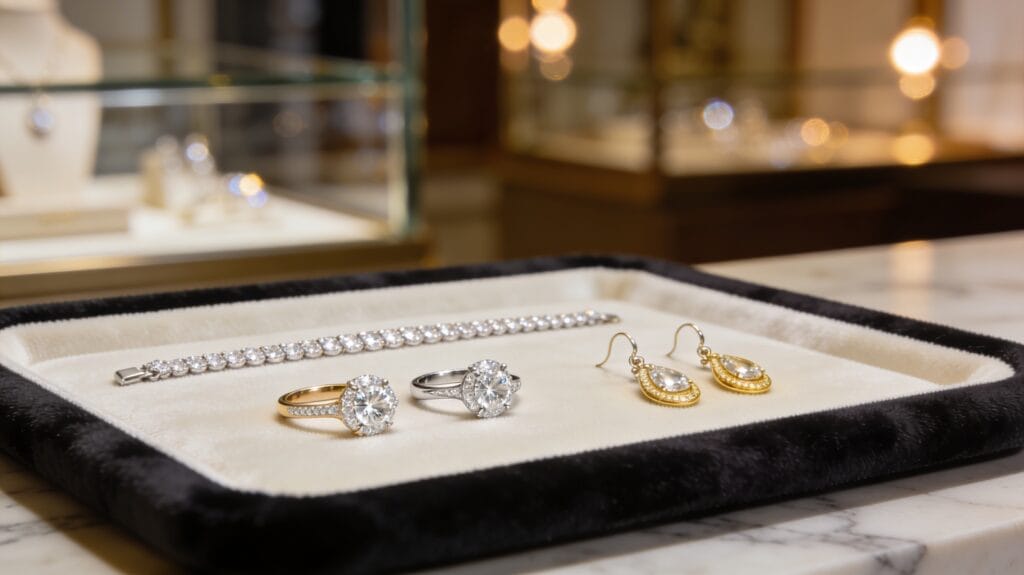
Some jewelry pieces go beyond decoration to become symbols of the brands that created them. Signature luxury jewelry pieces are iconic designs that define a luxury house through instantly recognizable shapes, materials, and craftsmanship that remain timeless across generations. These pieces tell stories of heritage and artistry while serving as emblems of style for those who wear them.
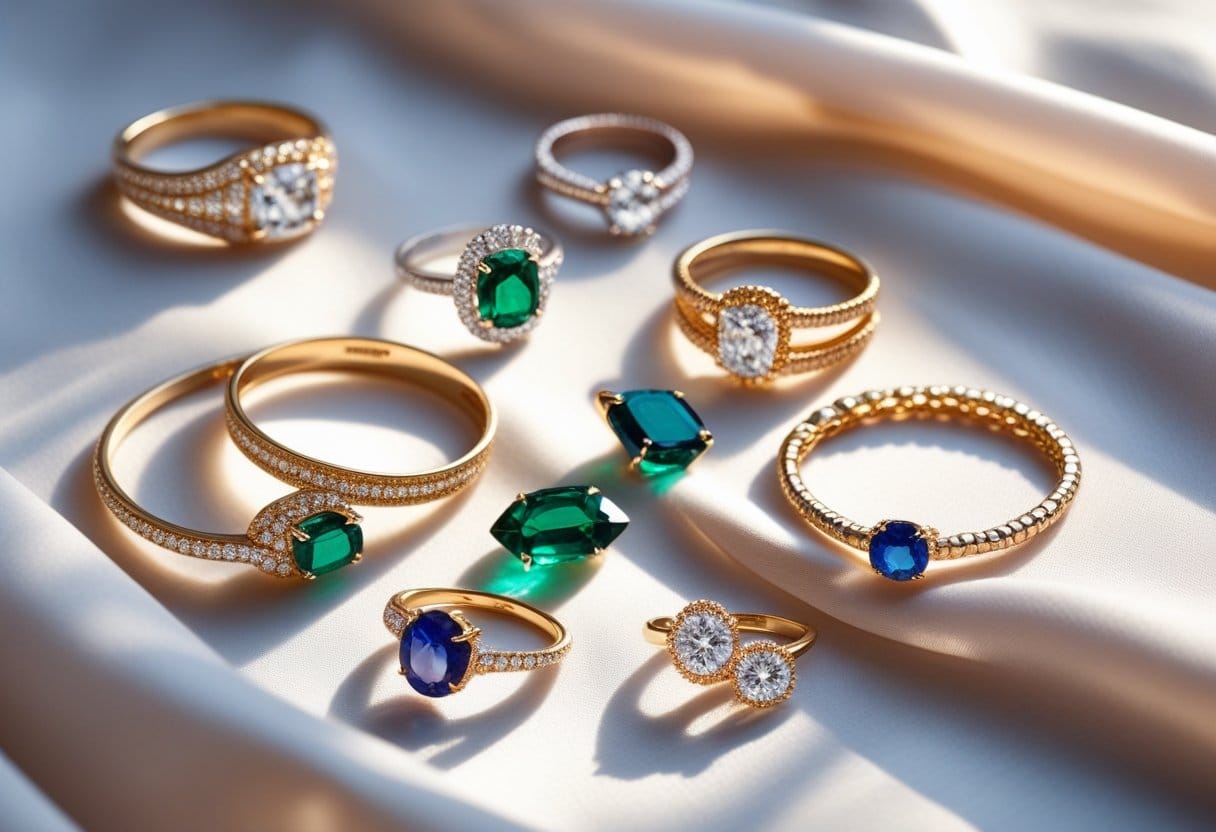
You’ll find these designs on wrists, necks, and fingers around the world. From Cartier’s screw-fastened Love bracelet to Van Cleef & Arpels’ four-leaf clover Alhambra, each piece carries meaning beyond its materials. Understanding what makes these jewelry pieces sought-after helps you recognize true luxury craftsmanship.
These signature designs became famous for good reasons. They balance beauty with innovation, tradition with modern style, and exclusivity with wearability. Learning about these iconic pieces gives you insight into what separates ordinary jewelry from designs that become cultural touchstones.
Key Takeaways
- Signature jewelry pieces are iconic designs that become cultural symbols of the luxury brands that create them
- Leading houses like Cartier, Bulgari, and Van Cleef & Arpels each have distinctive pieces recognized worldwide
- These timeless designs combine superior craftsmanship with meaningful symbolism that appeals across generations
Defining Signature Luxury Jewelry Pieces
Signature luxury jewelry stands apart through distinctive design elements, exceptional materials, and the prestige of the houses that create them. These pieces represent more than accessories—they embody heritage, artistry, and lasting value that transcends temporary trends.
What Makes a Jewelry Piece Signature
A signature piece becomes recognizable through its unique design language that instantly connects to a specific luxury brand. When you see Cartier’s Love Bracelet with its screwdriver mechanism or Van Cleef & Arpels’ four-leaf clover motif, you know exactly which maison created it.
Signing a piece brings the jewelry industry in line with the art world, establishing authenticity and assuring you of quality. Your signature collection piece carries specific hallmarks that distinguish it from other luxury jewelry.
Key characteristics include:
- Distinctive motifs – Recognizable shapes like Bulgari’s serpent or Chanel’s camellia
- Innovative mechanisms – Unique closures or moving elements like Chopard’s floating diamonds
- Consistent design language – Visual elements that appear across a brand’s signature collection
- Heritage connections – Links to the maison’s history and founding values
Timeless Elegance and Investment Value
Chocolate Gift Assortments – Each of our fifteen sumptuous chocolate assortments invites you to discover a different corner of the zChocolat universe.Your signature luxury jewelry maintains its appeal across decades rather than following seasonal trends. The Alhambra motif, first launched in 1968, remains as desirable today as when Princess Grace of Monaco wore it.
Timeless elegance comes from balanced proportions and refined aesthetics that work with any wardrobe. These statement pieces don’t compete with your style—they enhance it. A well-chosen piece from a signature collection holds its value because the design never feels dated.
You’re making an investment when you purchase these pieces. The combination of precious materials, brand heritage, and enduring design creates financial stability. Diamond studs remain among the most sought-after luxury jewelry items precisely because their classic nature ensures lasting demand.
Role of Exquisite Craftsmanship
Fine craftsmanship defines luxury jewelry’s lasting value through meticulous attention to every detail. Your signature piece undergoes hundreds of hours of work by skilled artisans who perfect each element.
Exquisite craftsmanship appears in the seamless settings, flawless stone cuts, and invisible joins that mark superior quality. When you examine a piece closely, you notice the precision in pavé work, the smoothness of enamel application, or the perfect alignment of mechanical elements.
The difference between luxury jewelry and mass-produced pieces lies in this handwork. Your signature collection item receives individual attention rather than automated assembly. Each component fits together with tolerances measured in fractions of millimeters, creating pieces that last generations.
Iconic Signature Pieces by Leading Luxury Brands
The world’s most prestigious jewelry houses have created distinctive pieces that define their brand identity and remain highly sought after across generations. These signature designs combine exceptional craftsmanship with timeless appeal, making them recognizable symbols of luxury that transcend fleeting trends.
Cartier Love Bracelet and Juste un Clou
The Cartier Love Bracelet revolutionized fine jewelry when designer Aldo Cipullo introduced it in 1969. Its unique screw-on mechanism requires a special screwdriver, making it a powerful symbol of commitment that you cannot remove without assistance. This iconic piece has become one of the most searched-for pieces of jewelry worldwide.
The Juste un Clou collection takes inspiration from an unexpected source: the common nail. Cartier transformed this industrial object into a bold statement piece in the 1970s. The bracelet’s clean lines and modern aesthetic make it perfect for daily wear or special occasions.
Other notable Cartier creations include the Panthère de Cartier, featuring the maison’s iconic panther motif, and the Trinity ring with its three interlocking bands of white, yellow, and rose gold. Each design carries distinct meaning while maintaining Cartier’s signature elegance.
Bvlgari Serpenti and B.zero1
Bvlgari’s Serpenti collection captures attention with its serpent-inspired design that dates back to the 1940s. The snake motif represents wisdom, vitality, and rebirth in various cultures. Elizabeth Taylor famously wore a Serpenti watch while filming Cleopatra, cementing its status as a symbol of strength and sensuality.
The collection features flexible bracelet designs that coil around your wrist multiple times, with scales crafted in precious metals and gemstones. The serpent’s head often serves as a clasp, showcasing intricate detailing and colored enamel work.
B.zero1 represents Bvlgari’s modern interpretation of Roman architecture. Launched in 1999, the collection draws inspiration from the Colosseum’s curved lines. The rings feature bold bands with the Bvlgari name engraved along the edges, creating a contemporary piece that honors ancient heritage.
Van Cleef & Arpels Alhambra Collection
The Alhambra collection debuted in 1968 with its distinctive four-leaf clover design. Van Cleef & Arpels created this signature piece to symbolize luck, love, and effortless elegance. Each clover motif features a beaded gold border surrounding materials like mother-of-pearl, onyx, carnelian, or malachite.
You can find the Alhambra in various sizes and configurations:
- Vintage Alhambra: The original size and most popular style
- Sweet Alhambra: Smaller, delicate versions for subtle elegance
- Magic Alhambra: Larger statement pieces with enhanced presence
Princess Grace of Monaco wore the collection frequently, establishing it as a favorite among royalty and celebrities. The design’s versatility allows you to layer multiple pieces or wear a single pendant for understated sophistication. Its enduring popularity stems from the balance between meaningful symbolism and refined craftsmanship.
Tiffany & Co. Signature Designs
Tiffany & Co. established its reputation with the Tiffany Setting engagement ring in 1886. This six-prong design lifts the diamond above the band, maximizing light exposure and brilliance. The setting remains the standard for engagement rings worldwide.
The Return to Tiffany collection features heart-shaped tags and key pendants engraved with the brand’s Fifth Avenue address. Introduced in the 1960s, these pieces evoke nostalgia while maintaining contemporary appeal. The playful designs work well for everyday wear and gift-giving occasions.
The Tiffany Diamond stands as the brand’s crowning achievement—a 128.54-carat yellow diamond discovered in South Africa in 1877. Only four women have worn this legendary stone, including Audrey Hepburn and Lady Gaga. The diamond represents Tiffany’s commitment to exceptional quality and ethical sourcing practices that continue to define the brand today.
Other Distinctive Pieces and High Jewelry
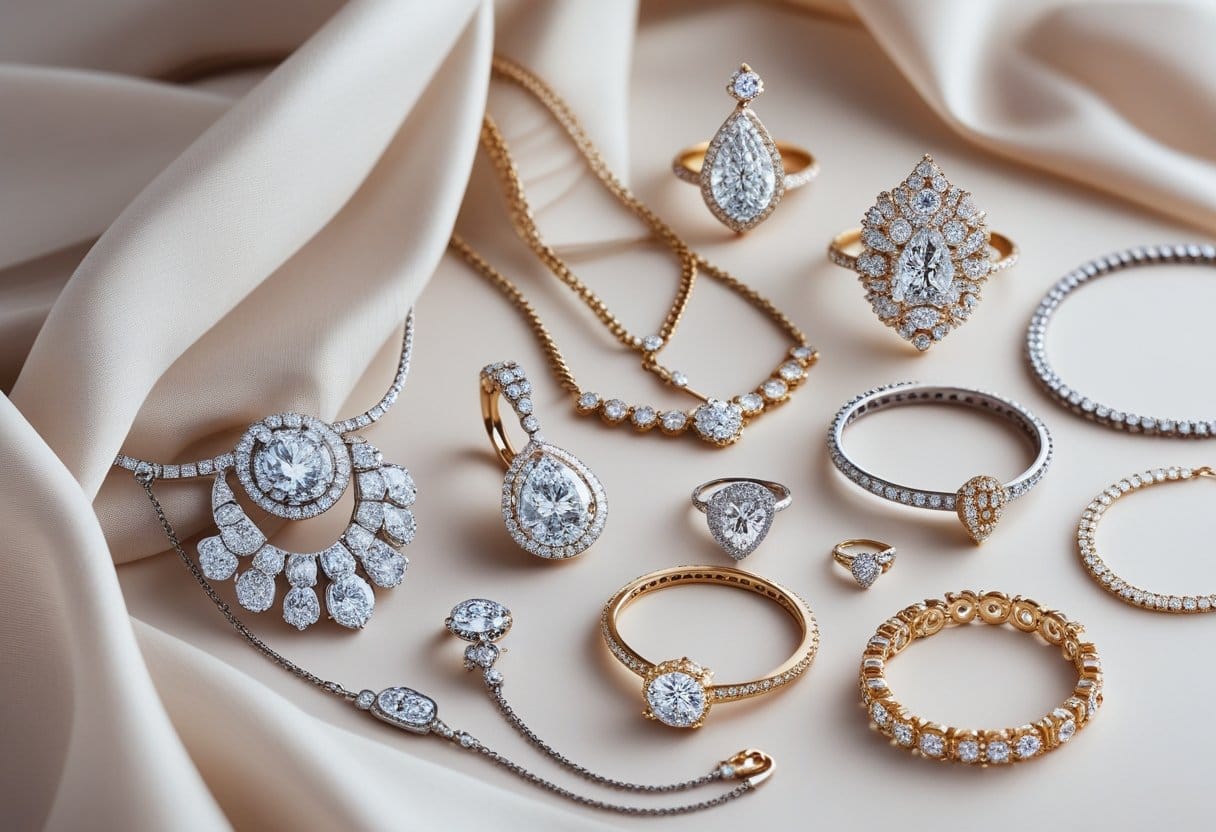
Beyond iconic bracelets and earrings, luxury houses create exceptional high jewelry pieces that showcase advanced techniques and rare materials. These collections feature intricate necklaces, dramatic pendants, and statement pieces that represent the pinnacle of haute joaillerie craftsmanship.
Crafting High Jewelry: Techniques and Materials
High jewelry demands specialized techniques that separate fine jewelry from extraordinary creations. The mystery set technique, pioneered by Van Cleef & Arpels, conceals metal settings beneath gemstones to create seamless surfaces of color. This method requires cutting each stone with precision grooves that slide onto invisible gold rails.
Master artisans spend hundreds of hours on single pieces. They work with rare gemstones like Burmese rubies, Kashmir sapphires, and Colombian emeralds. These stones meet strict quality standards for color, clarity, and origin.
Cultured pearls from Japanese and South Sea waters add another dimension to haute joaillerie collections. Houses like Mikimoto select only the most lustrous specimens with perfect surfaces. Each pearl undergoes careful evaluation before joining a fine jewelry collection.
Notable Collections and One-of-a-Kind Creations
In an unrivaled celebration of culinary luxury and epicurean excellence, every piece of chocolate in this collection has been painstakingly hand-coated in exquisite 24-karat edible gold.Luxury brands release high jewelry collections that push creative boundaries. Cartier’s Sixième Sens and Bulgari’s Magnifica showcase one-of-a-kind creations featuring exceptional diamonds and colored stones. These pieces often debut at exclusive presentations in Paris or Venice.
Chopard’s Happy Diamonds collection introduced moving diamonds behind sapphire crystal in 1976. The playful concept became a house signature that continues today. Graff focuses on record-breaking stones set in minimal designs that emphasize gem quality over ornate settings.
Hermès takes a different approach with its Collier de Chien, which started as a leather dog collar in the 1920s before evolving into metal-studded cuffs. This rebellious piece bridges fashion and fine jewelry.
Signature Necklaces, Pendants, and Bracelets
Statement pieces in necklace form define many luxury houses. A diamond necklace from Tiffany & Co. features the brand’s exacting standards for cut and brilliance. Van Cleef & Arpels creates transformable designs where necklaces convert into bracelets or brooches.
Pearl necklace designs vary by house. Mikimoto focuses on graduated strands with perfectly matched cultured pearls. Chanel incorporates its camellia motif into pearl jewelry that references Coco Chanel’s signature flower.
Pendants serve as canvas for brand identity. Tiffany’s Open Heart design by Elsa Peretti captures sculptural minimalism. Bulgari’s Divas’ Dream pendants echo fan-shaped Roman mosaics. These pieces work as daily wear or dress occasions, making them versatile additions to any collection.
Globally Renowned Luxury Jewelry Houses
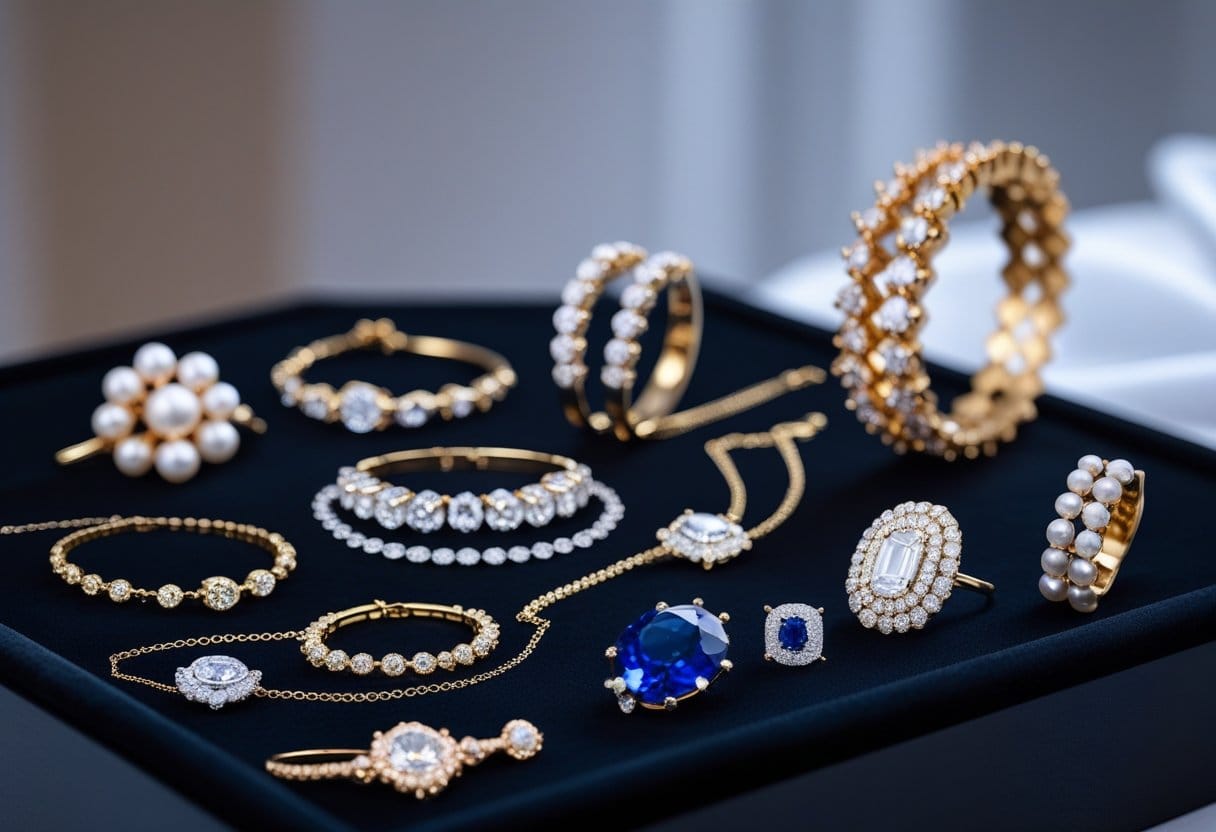
Exceptional diamond houses like Graff create some of the world’s most valuable gemstone pieces. Chopard brings playful innovation with moving diamonds, while heritage maisons including Piaget and Buccellati offer distinct approaches to luxury craftsmanship.
Graff and the World of Exceptional Diamonds
Graff stands as one of the premier destinations for exceptional diamonds and rare gemstones. The brand gained international recognition for acquiring and transforming legendary stones like the Wittelsbach-Graff diamond and the Pink Promise.
When you explore Graff’s collections, you’ll find pieces that showcase the natural beauty of each diamond. The jewelers at Graff spend years sourcing the finest stones before designing settings that enhance their brilliance. Each piece undergoes meticulous craftsmanship to ensure the diamond remains the focal point.
The brand offers diverse jewelry options including rings, earrings, and necklaces that combine classic elegance with contemporary design. Graff creates engagement rings and high jewelry pieces that become timeless symbols of commitment. Your investment in a Graff piece means owning jewelry with both exceptional quality and a remarkable story behind each gemstone.
Chopard’s Happy Diamonds and Playful Luxury
Chopard revolutionized luxury jewelry when it introduced Happy Diamonds, featuring loose diamonds that move freely between two sapphire crystals. This playful concept transformed traditional diamond jewelry into something dynamic and joyful.
The Happy Hearts collection extends this innovative approach with moving diamonds set within heart-shaped designs. You can wear these pieces as everyday elegance or special occasion jewelry. Chopard also creates the Ice Cube collection, which offers modern sophistication through geometric designs.
Chopard uses ethical gold in its jewelry collections, combining sustainability with luxury. The brand balances daring creativity with traditional craftsmanship across all its lines. Your Chopard pieces represent both excellent design and responsible sourcing practices in fine jewelry.
Piaget, Buccellati, and Other Legendary Maisons
Piaget celebrates its heritage by blending Swiss watchmaking with jewelry craftsmanship. The Possession collection features rotating rings that add interactive elements to your jewelry. Piaget Rose designs capture femininity through delicate floral motifs that work for both casual and formal settings.
Buccellati preserves Italian goldsmithing traditions dating back to the Renaissance. The brand’s signature tulle technique creates lace-like textures in precious metals. You’ll recognize Buccellati pieces by their intricate engraving and artisanal details that make each item unique.
Mikimoto pioneered cultured pearls in 1893 and continues leading pearl jewelry innovation. Boucheron operates from Place Vendôme in Paris, creating bold designs that appeal to modern tastes. The Quatre collection features distinctive four-band rings that have become instantly recognizable symbols of the maison’s design philosophy.
Frequently Asked Questions
Collectors and buyers often ask similar questions when building their luxury jewelry collections. Understanding investment pieces, authentication methods, and pricing helps you make informed decisions.
What are considered timeless women’s jewelry pieces for investment?
Classic diamond stud earrings remain one of the most versatile and enduring investment pieces. You can wear them with any outfit, and their value holds steady over time.
A simple strand of pearls or a pearl necklace with quality gemstones maintains its appeal across generations. Tennis bracelets featuring diamonds or precious stones also rank highly as investment pieces.
Signature designs from established houses like Cartier’s Love bracelet or Van Cleef & Arpels’ Alhambra collection have proven their staying power. These pieces retain value because of their recognizable design and enduring quality from handcrafted construction.
Which luxury jewelry brands rank among the top 20 in the industry?
Cartier consistently ranks at the top of luxury jewelry houses worldwide. The brand’s history dates back to the mid-1800s and includes iconic collections like Tutti Frutti and Panthère.
Van Cleef & Arpels, Bulgari, Tiffany & Co., and Harry Winston round out the top tier. These major jewelry houses were established between the mid-1800s and early 1900s.
Chopard, Graff, Piaget, and Boucheron also hold prestigious positions in the industry. Newer players like David Yurman and John Hardy have built strong reputations in contemporary luxury jewelry.
What are the hallmarks of true vintage luxury jewelry items?
Vintage luxury pieces feature hallmarks that indicate metal purity and origin. You’ll find stamps showing the city and year of production on authentic pieces.
Signed jewelry carries the official signature or hallmark of the designer or house. This signature confirms the piece’s authenticity and origin.
The quality of craftsmanship sets vintage luxury jewelry apart from mass-produced items. Hand-finishing, precise stone settings, and attention to detail are evident when you examine the piece closely.
Art Deco pieces from the 1920s and 1930s remain highly collectible. These items often feature geometric designs and bold color combinations that define the era.
Can you obtain authentic luxury jewelry for under $1000, and if so, how?
You can find authentic luxury jewelry under $1000 through estate sales and vintage dealers. Previously owned pieces often sell at lower prices than new items.
Smaller pieces from major houses fit this price range. Simple pendants, single earrings, or vintage brooches from brands like Tiffany or Cartier sometimes appear at accessible prices.
Shopping during sales at authorized retailers can yield authentic pieces at reduced costs. Some luxury brands offer entry-level collections specifically designed for accessibility.
Vintage signed pieces from secondary designers also fall within this budget. Look for names like Monet, Trifari, or earlier Eisenberg pieces that carry value without premium pricing.
What are some famous jewelry pieces that have become iconic over time?
The Cartier Tutti Frutti collection stands as one of the most recognizable designs in jewelry history. A circa-1930 Tutti Frutti bracelet sold for $1.34 million in 2020.
Jaeger-LeCoultre’s Reverso timepiece became iconic after its design for polo players in the 1930s. The watch face flips to protect the crystal during matches.
Van Cleef & Arpels’ Zip necklace, originally created in 1951, transforms from a necklace into a bracelet. The design was commissioned by the Duchess of Windsor.
The Hope Diamond, now housed at the Smithsonian, represents one of the most famous gemstones ever discovered. Its deep blue color and storied history make it instantly recognizable.
How does one identify an authentic piece of Cartier jewelry priced under $500?
Check for proper hallmarks and signatures on the piece. Cartier’s signature has changed over time, so the marking should match the claimed era of production.
Look for serial numbers that you can verify with Cartier directly. Authentic pieces include specific numbering systems that the brand can confirm.
The weight and quality of materials provide important clues. Real Cartier pieces use solid gold or platinum, not plated metals, even in smaller items.
You should consult an expert or jewelry specialist to verify authenticity. Professionals can check for alterations and confirm the piece hasn’t been modified from its original state.