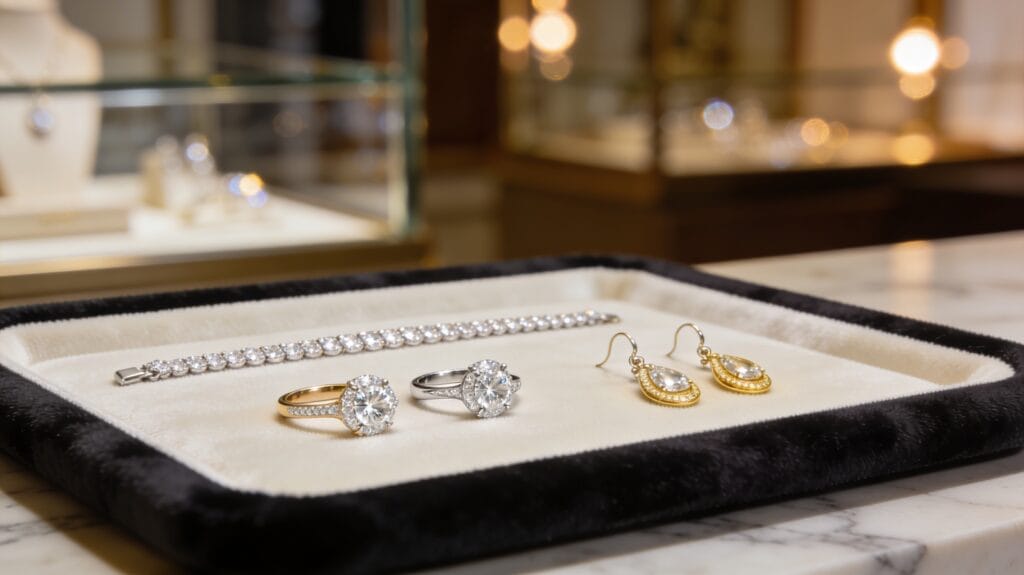
Introduction: The Timeless Allure of Luxury Jewelry
High-end jewelry represents more than mere adornment—it embodies centuries of craftsmanship, artistic vision, and enduring value. From the iconic blue boxes of Tiffany & Co. to the bold serpentine designs of Bulgari and the regal elegance of Cartier, luxury jewelry houses have shaped the way we perceive beauty, status, and personal expression. Whether you’re considering your first significant jewelry investment or expanding an existing collection, understanding the landscape of haute joaillerie is essential.
This comprehensive guide explores the world’s most prestigious jewelry brands, their signature collections, the artistry behind each piece, and practical advice for purchasing and styling luxury jewelry that will last generations.
The Legendary Houses: Cartier, Tiffany & Co., and Bulgari
Cartier: The King of Jewelers, The Jeweler of Kings
Founded in Paris in 1847 by Louis-François Cartier, the House of Cartier has maintained its position as one of the world’s most prestigious jewelry maisons for over 175 years. The brand’s reputation was cemented when King Edward VII of England declared Cartier “the jeweler of kings and the king of jewelers” in 1904.
Iconic Collections:
1. Love Collection
The Cartier Love bracelet, created by Aldo Cipullo in 1969, revolutionized fine jewelry by introducing a piece that symbolized commitment through its unique locking mechanism. The bracelet requires a special screwdriver to open and close, representing a bond that cannot be easily broken.
- Price Range: $1,500 – $50,000+ (depending on material and diamond settings)
- What Makes It Special: The Love bracelet’s oval shape ensures comfort for daily wear, while its distinctive screw motifs have become instantly recognizable. Available in yellow gold, white gold, rose gold, and platinum, with options for diamond pavé settings.
2. Panthère Collection
The panther has been Cartier’s signature animal since 1914, when Louis Cartier commissioned a painting featuring a woman with a panther. The Panthère de Cartier collection includes watches, rings, necklaces, and bracelets featuring the sleek feline in various poses.
- Price Range: $3,000 – $500,000+
- What Makes It Special: The three-dimensional panther designs showcase exceptional craftsmanship, with each spot meticulously set with onyx or diamonds, and emerald eyes that bring the creature to life.
3. Juste un Clou (Just a Nail)
Another Aldo Cipullo creation from the 1970s, this collection transforms an ordinary nail into an extraordinary piece of jewelry, embodying the era’s rebellious spirit while maintaining Cartier’s refined aesthetic.
- Price Range: $1,600 – $45,000+
- What Makes It Special: The audacious design challenges conventional jewelry norms, proving that luxury can be found in unexpected forms.
Watch this: Cartier – The Art of Jewelry Making – A behind-the-scenes look at Cartier’s ateliers and master craftsmen.
Tiffany & Co.: American Luxury and the Iconic Blue Box
Established in New York City in 1837 by Charles Lewis Tiffany, Tiffany & Co. has become synonymous with American luxury and romance. The brand’s signature Tiffany Blue Box has become one of the most recognizable symbols in the world, with the color itself trademarked as Pantone 1837 Blue.
Iconic Collections:
1. Tiffany Setting Engagement Ring
Introduced in 1886, the Tiffany Setting revolutionized engagement rings by lifting the diamond above the band with six prongs, allowing maximum light to enter the stone and enhancing its brilliance.
- Price Range: $2,000 – $500,000+ (depending on diamond quality and carat weight)
- What Makes It Special: This design set the standard for engagement rings worldwide and remains the most popular setting over 135 years later. Each diamond is hand-selected and must meet Tiffany’s exacting standards, which exceed industry norms.
2. Tiffany T Collection
A modern collection that celebrates bold, graphic design with clean lines and contemporary aesthetics. The T motif represents strength and individuality.
- Price Range: $300 – $50,000+
- What Makes It Special: The collection bridges classic Tiffany elegance with modern minimalism, appealing to younger luxury consumers while maintaining the brand’s heritage of quality.
3. Tiffany Victoria Collection
Inspired by the beauty of flowers, this collection features intricate floral designs with mixed-cut diamonds that create dimensional, naturalistic pieces.
- Price Range: $2,500 – $200,000+
- What Makes It Special: The combination of marquise, pear, and round brilliant diamonds creates a unique texture and sparkle that mimics the organic beauty of petals and leaves.
4. Return to Tiffany Collection
Originally created as key rings in 1969, this collection has expanded to include bracelets, necklaces, and earrings featuring the iconic heart tag engraved with “Please Return to Tiffany & Co. New York.”
- Price Range: $200 – $15,000+
- What Makes It Special: The sentimental design has become a rite of passage for many, often given as first fine jewelry pieces or milestone gifts.
Watch this: Inside Tiffany & Co.: The Story Behind the Blue Box – Documentary exploring Tiffany’s history and craftsmanship.
Bulgari: Italian Glamour and Bold Design
Founded in Rome in 1884 by Greek silversmith Sotirios Voulgaris (later Italianized to Bulgari), the house has become renowned for its bold use of color, distinctive cabochon gemstones, and designs inspired by Roman architecture and Greek mythology.
Iconic Collections:
1. Serpenti Collection
The serpent has been Bulgari’s signature motif since the 1940s, symbolizing wisdom, vitality, and seduction. The Serpenti watches and jewelry pieces feature the snake coiled around the wrist or neck.
- Price Range: $3,000 – $2,000,000+
- What Makes It Special: The articulated scales are individually crafted and assembled, creating a flexible, sensuous piece that moves with the body. The serpent’s head often features precious gemstones for eyes and intricate enamel work.
2. B.zero1 Collection
Launched in 1999, this collection pays homage to Rome’s Colosseum with its distinctive spiral design and architectural inspiration.
- Price Range: $500 – $50,000+
- What Makes It Special: The bold, modern design appeals to contemporary tastes while maintaining Bulgari’s connection to Roman heritage. The tubogas technique used in some pieces requires no soldering, showcasing exceptional metalworking skills.
3. Divas’ Dream Collection
Inspired by the fan-shaped mosaics found in the ancient Caracalla Baths in Rome, this feminine collection celebrates the eternal allure of Italian cinema goddesses.
- Price Range: $1,500 – $100,000+
- What Makes It Special: The distinctive fan motif creates an instantly recognizable silhouette, while the use of mother-of-pearl, diamonds, and colored gemstones adds depth and luxury.
4. Parentesi Collection
Created in the 1970s, this collection features a geometric pattern inspired by the sampietrini cobblestones of Roman streets.
- Price Range: $800 – $30,000+
- What Makes It Special: The modular design allows for customization and versatility, with pieces that can be worn multiple ways.
Watch this: Bulgari: 130 Years of Italian Magnificence – Exploring Bulgari’s heritage and design philosophy.
The Art of High-End Jewelry Craftsmanship
Traditional Techniques Preserved Through Generations
Luxury jewelry houses employ master craftsmen who have spent decades perfecting techniques that date back centuries. Understanding these methods helps appreciate the true value of haute joaillerie.
1. Stone Setting
- Pavé Setting: Tiny diamonds are set closely together with minimal metal showing, creating a “paved” surface of continuous sparkle. This requires exceptional precision and steady hands.
- Invisible Setting: Developed by Van Cleef & Arpels, this technique hides the metal framework entirely, allowing gemstones to appear as if floating.
- Prong Setting: The classic method of securing stones with metal claws, allowing maximum light penetration.
- Bezel Setting: The stone is surrounded by a metal rim, offering security and a sleek, modern appearance.
2. Metalworking Techniques
- Tubogas: An ancient technique creating flexible, gas-pipe-like gold bands without soldering, used extensively by Bulgari.
- Granulation: Tiny metal beads are fused to a surface without solder, an Etruscan technique revived by modern jewelers.
- Filigree: Delicate threads of precious metal are twisted and shaped into intricate lace-like patterns.
- Engraving: Hand-engraving adds personalization and decorative details that machines cannot replicate.
3. Enameling
High-end jewelry often features vitreous enamel work, particularly in pieces by Cartier and Bulgari. The process involves fusing powdered glass to metal at high temperatures, requiring multiple firings and expert color mixing.
4. Gem Cutting and Selection
Luxury houses employ gemologists who travel the world sourcing the finest stones. Cartier, for instance, maintains strict standards for diamond quality, often exceeding GIA standards. Tiffany sources less than 0.04% of the world’s gem-grade diamonds, selecting only the most exceptional stones.
Watch this: The Art of High Jewelry: Master Craftsmen at Work – Detailed look at jewelry-making techniques.
Materials: Understanding What Makes Luxury Jewelry Exceptional
Precious Metals
Platinum
- The rarest and most durable precious metal
- Naturally white, it won’t fade or tarnish
- Hypoallergenic and ideal for sensitive skin
- Density makes it heavier and more substantial
- Price: Typically 40-50% more expensive than gold
18K Gold
- The standard for fine jewelry (75% pure gold, 25% alloy metals)
- Available in yellow, white, and rose gold
- Offers ideal balance between purity and durability
- White gold is often rhodium-plated for enhanced whiteness
22K and 24K Gold
- Higher purity but softer and more prone to scratching
- Used selectively in high-end pieces
- 24K is pure gold, rarely used in jewelry due to softness
Precious Gemstones
Diamonds
The “Four Cs” determine diamond value:
- Cut: The most important factor affecting brilliance
- Color: Graded from D (colorless) to Z (light yellow)
- Clarity: Measures internal and external flaws
- Carat: Weight measurement (1 carat = 200 milligrams)
Luxury houses often use additional criteria, including fluorescence, symmetry, and polish.
Colored Gemstones
- Sapphires: Prized for their durability (9 on Mohs scale) and range of colors, particularly Kashmir and Burmese sapphires
- Rubies: The rarest colored gemstone, with Burmese “pigeon’s blood” rubies commanding the highest prices
- Emeralds: Colombian emeralds are considered the finest, valued for their vivid green color despite natural inclusions
- Pearls: Natural pearls are extremely rare; most luxury jewelry uses cultured pearls from Tahiti, South Sea, or Akoya varieties
Semi-Precious Stones
High-end jewelry also incorporates:
- Turquoise: Favored by Tiffany & Co. and Native American-inspired designs
- Coral: Used in vintage and Mediterranean-inspired pieces
- Onyx: Popular in Art Deco designs and Cartier’s panther motifs
- Lapis Lazuli: Valued for its deep blue color in statement pieces
Exotic Materials
- Mother-of-Pearl: Iridescent shell material used in dials and inlays
- Meteorite: Rare pieces incorporate genuine meteorite fragments
- Wood: Exotic woods appear in contemporary luxury designs
- Ceramic: High-tech ceramic in various colors for modern pieces
Investment Value: Luxury Jewelry as an Asset Class
Why High-End Jewelry Retains Value
Unlike fashion jewelry, pieces from prestigious houses can appreciate over time, making them both beautiful and financially sound investments.
Factors Contributing to Investment Value:
1. Brand Heritage and Reputation
Cartier, Tiffany, and Bulgari have established reputations spanning over a century. Their names alone add significant value, with some vintage pieces selling for multiples of their original retail price at auction.
2. Craftsmanship and Quality
The superior materials and artisanal techniques ensure longevity. A well-maintained Cartier Love bracelet from the 1970s functions and appears as beautifully as a new one.
3. Rarity and Limited Editions
Special collections, discontinued designs, and limited-edition pieces often appreciate significantly. The original Cartier Crash watch, for example, has increased in value by over 400% in recent years.
4. Intrinsic Material Value
Precious metals and gemstones have inherent worth. Even if fashion changes, the materials retain value, providing a floor price for any piece.
5. Provenance and Documentation
Original boxes, certificates, and purchase receipts significantly enhance resale value. Pieces with celebrity ownership or historical significance command premium prices.
Investment-Grade Pieces to Consider
Best Performers:
- Cartier Love Bracelet: Consistent appreciation, high liquidity in resale market
- Tiffany Setting Engagement Rings: Timeless design maintains strong resale value
- Bulgari Serpenti Watches: Vintage pieces have seen 200-300% appreciation
- Cartier Panthère Jewelry: Limited editions and vintage pieces highly sought after
- Van Cleef & Arpels Alhambra: Though not covered extensively here, worth mentioning for investment potential
Auction Results:
Recent auction houses like Christie’s and Sotheby’s have reported:
- Cartier Art Deco pieces selling for 300-500% above estimates
- Rare Bulgari Serpenti watches achieving $100,000-$500,000
- Signed Tiffany & Co. pieces from the Jean Schlumberger era commanding six figures
Watch this: Investing in Luxury Jewelry: Expert Advice – Financial advisors discuss jewelry as an investment.
Maintenance and Care for Value Preservation
To maintain investment value:
- Professional cleaning annually at authorized boutiques
- Insurance appraisals every 3-5 years
- Proper storage in original boxes or soft pouches
- Avoid exposure to chemicals, extreme temperatures, and physical impact
- Service watches according to manufacturer recommendations (typically every 5 years)
- Keep all documentation including certificates, receipts, and service records
Styling Tips: How to Wear Luxury Jewelry with Confidence
The Art of Layering and Stacking
Modern jewelry styling embraces mixing pieces rather than wearing matched sets.
Bracelet Stacking:
- Combine different metals (rose, yellow, and white gold) for contemporary appeal
- Mix textures: pair a smooth Love bracelet with a diamond tennis bracelet
- Vary widths: alternate thin and substantial pieces
- Odd numbers (3 or 5 bracelets) create visual interest
- Leave some breathing room—don’t overcrowd the wrist
Necklace Layering:
- Start with varying lengths: choker (14-16″), princess (18″), matinee (20-24″)
- Mix pendant styles: combine a simple chain with a statement piece
- Consider neckline: V-necks suit layered looks, while high necks pair better with longer single pieces
- Balance proportions: delicate chains with small pendants, substantial chains with larger focal points
Ring Stacking:
- Mix bands with statement rings
- Wear rings across multiple fingers rather than stacking all on one
- Balance both hands for a curated look
- Consider negative space—not every finger needs adornment
Watch this: How to Style Luxury Jewelry: Expert Tips – Fashion stylists demonstrate various looks.
Occasion-Appropriate Styling
Daytime/Professional:
- Opt for understated elegance: simple studs, a classic watch, one or two delicate bracelets
- Cartier Tank watch with Love bracelet exemplifies refined daytime luxury
- Tiffany T collection offers modern, office-appropriate pieces
- Avoid excessive sparkle that might seem inappropriate in business settings
Evening/Formal Events:
- Statement earrings or a dramatic necklace as the focal point
- Bulgari Serpenti necklace or Cartier Panthère earrings make powerful impressions
- Balance: if wearing statement earrings, keep necklace minimal and vice versa
- Consider your dress: strapless gowns suit necklaces, while high necklines call for dramatic earrings
Casual/Weekend:
- Mix high and low: pair luxury pieces with casual attire for effortless chic
- Tiffany Return to Tiffany bracelet with jeans and a white shirt
- Bulgari B.zero1 ring adds polish to relaxed outfits
- Don’t save your jewelry for special occasions—quality pieces are designed for regular wear
Mixing Metals and Brands
Gone are the days of strict matching. Contemporary styling encourages:
- Mixing metals: Rose gold with white gold, yellow gold with platinum
- Combining brands: Cartier Love with Tiffany T bracelet
- Vintage with modern: Heirloom pieces alongside contemporary designs
- High with costume: Quality costume jewelry can complement fine pieces when styled thoughtfully
Body Type and Proportion Considerations
Petite Frames:
- Delicate, proportionate pieces prevent overwhelming smaller builds
- Shorter necklace lengths (14-18 inches)
- Smaller earrings or studs rather than large chandeliers
- Thin to medium-width bracelets
Taller/Larger Frames:
- Substantial pieces that match proportions
- Longer necklace lengths (20-24+ inches)
- Bold earrings and statement pieces
- Wider bracelets and cuffs
Watch this: Luxury Jewelry Styling for Every Body Type – Personalized styling advice.
The Comprehensive Buying Guide: Making Informed Purchases
Where to Buy Authentic Luxury Jewelry
1. Official Boutiques
- Advantages: Guaranteed authenticity, full selection, expert staff, warranty and after-sales service
- Considerations: Highest prices, limited negotiation
- Best for: New pieces, current collections, warranty concerns
2. Authorized Retailers
- Advantages: Authentic pieces, sometimes better pricing or promotions, convenient locations
- Considerations: Limited selection compared to boutiques
- Best for: Specific pieces when boutique isn’t accessible
3. Auction Houses (Christie’s, Sotheby’s, Bonhams)
- Advantages: Rare vintage pieces, potential value, provenance documentation
- Considerations: Requires research, buyer’s premium (typically 25%), no warranty
- Best for: Collectors, vintage enthusiasts, investment pieces
4. Reputable Pre-Owned Dealers
- Advantages: Lower prices (20-40% below retail), authenticated pieces, wider selection of discontinued items
- Considerations: Verify dealer reputation, check authentication processes, understand return policies
- Recommended: Fashionphile, The RealReal, Rebag (for authenticated luxury)
- Best for: Budget-conscious buyers, discontinued collections
5. Online Direct from Brand
- Advantages: Convenience, full selection, same guarantees as boutiques
- Considerations: Cannot see/try pieces in person before purchase
- Best for: Familiar pieces, repurchases, gift shopping
Authentication: Protecting Your Investment
Red Flags for Counterfeit Jewelry:
- Price too good to be true: Genuine Cartier Love bracelets don’t sell for $500
- Lack of proper hallmarks: All luxury pieces have specific stamps (Cartier: serial number, metal purity, maker’s mark)
- Poor craftsmanship: Uneven settings, rough edges, misaligned screws
- Missing documentation: No original box, certificate, or receipt
- Seller reputation: Unknown sellers, no return policy, pressure tactics
Authentication Steps:
- Examine hallmarks: Use a jeweler’s loupe to inspect stamps and serial numbers
- Weight and feel: Authentic pieces use solid precious metals and feel substantial
- Professional appraisal: Invest $100-300 in authentication before major purchases
- Verify serial numbers: Contact the brand to confirm serial number authenticity
- Request certificates: Gemstones should have GIA or similar certification
Understanding Pricing and Value
Factors Affecting Price:
- Materials: Platinum costs more than gold; larger diamonds increase price exponentially
- Complexity: Intricate designs requiring more labor command higher prices
- Brand premium: You pay for heritage, design, and prestige
- Rarity: Limited editions and discontinued pieces may cost more
- Condition: For pre-owned, pristine condition commands premium pricing
Price Ranges by Category:
- Entry-level luxury: $300-$2,000 (Tiffany Return to Tiffany, simple Bulgari B.zero1)
- Mid-range luxury: $2,000-$10,000 (Cartier Love bracelet, Tiffany diamond studs)
- High-end luxury: $10,000-$50,000 (Bulgari Serpenti watch, substantial diamond pieces)
- Ultra-luxury: $50,000+ (High jewelry collections, rare gemstones, exceptional pieces)
Negotiation and Payment
Can You Negotiate?
- Boutiques: Generally no negotiation on current collections, but may offer complimentary services
- Authorized retailers: Sometimes 5-10% discounts during sales events
- Pre-owned dealers: Often 10-20% negotiation room, especially for higher-priced items
- Auctions: Bidding strategy is key; set maximum bid and stick to it
Payment Methods:
- Credit cards: Offers purchase protection and rewards points
- Wire transfer: Sometimes required for high-value purchases
- Financing: Some retailers offer payment plans; ensure interest rates are reasonable
- Cryptocurrency: Some luxury retailers now accept Bitcoin and Ethereum
Warranty, Insurance, and After-Sales Service
Manufacturer Warranties:
- Cartier: 2-year international warranty on jewelry, 8 years on watches
- Tiffany & Co.: Lifetime warranty against manufacturing defects
- Bulgari: 2-year international warranty
Insurance:
- Homeowner’s/Renter’s Insurance: Often covers jewelry up to $1,000-$2,000
- Scheduled Personal Property: Add rider for specific high-value pieces
- Specialized Jewelry Insurance: Companies like Jewelers Mutual offer comprehensive coverage
- Cost: Typically 1-2% of appraised value annually
After-Sales Service:
- Cleaning: Most brands offer complimentary cleaning at boutiques
- Repairs: Authorized service centers maintain authenticity and value
- Resizing: Available for rings and some bracelets
- Refurbishment: Polishing and restoration services available
Building Your Collection Strategically
For Beginners:
- Start with classics: Cartier Love bracelet or Tiffany diamond studs
- Choose versatile pieces: Items that work for multiple occasions
- Invest in quality over quantity: One exceptional piece beats several mediocre ones
- Consider resale value: Stick to iconic designs that hold value
For Intermediate Collectors:
- Diversify: Add different brands and styles
- Explore vintage: Discontinued pieces offer uniqueness
- Consider colored gemstones: Sapphires, rubies, emeralds add variety
- Build sets: Complete a collection (e.g., Cartier Love bracelet, ring, and necklace)
For Advanced Collectors:
- High jewelry pieces: One-of-a-kind creations from haute joaillerie collections
- Rare vintage: Pieces with historical significance or celebrity provenance
- Investment focus: Limited editions and pieces likely to appreciate
- Custom commissions: Work directly with brands for bespoke creations
Watch this: Building a Luxury Jewelry Collection: Expert Advice – Collectors share their strategies.
Emerging Trends in Luxury Jewelry
Sustainability and Ethical Sourcing
Modern luxury consumers increasingly demand transparency about materials sourcing:
- Tiffany & Co.: Publishes detailed sustainability reports and sources diamonds from known mines
- Cartier: Member of the Responsible Jewellery Council, committed to ethical practices
- Lab-Grown Diamonds: Some luxury brands now offer lab-created options at lower price points
- Recycled Metals: Many houses use recycled precious metals to reduce environmental impact
Gender-Neutral Designs
Luxury jewelry increasingly transcends traditional gender boundaries:
- Cartier Love and Juste un Clou: Designed for all genders from inception
- Bulgari B.zero1: Bold designs appeal across gender spectrum
- Unisex sizing: Brands offering wider size ranges in traditionally gendered pieces
Digital Innovation
- Virtual Try-On: AR technology allows customers to visualize pieces before purchase
- NFTs: Some luxury houses experimenting with digital certificates and virtual jewelry
- Blockchain Authentication: Ensuring provenance and combating counterfeits
- Online Customization: Configure pieces online before ordering
Personalization and Customization
- Engraving services: Adding personal messages and dates
- Gemstone selection: Choose your own diamonds or colored stones
- Bespoke design: Working with brand artisans to create unique pieces
- Modular jewelry: Pieces that can be reconfigured for different looks
Conclusion: The Enduring Value of Luxury Jewelry
High-end jewelry from houses like Cartier, Tiffany & Co., and Bulgari represents far more than material wealth. These pieces embody artistic vision, technical mastery, and cultural heritage spanning centuries. Whether you’re drawn to the architectural boldness of Bulgari, the romantic elegance of Tiffany, or the refined sophistication of Cartier, luxury jewelry offers both aesthetic pleasure and tangible value.
As you build your collection, remember that the best pieces are those that resonate with your personal style and bring joy each time you wear them. While investment potential matters, the true value of fine jewelry lies in the memories created, the confidence inspired, and the legacy passed to future generations.
Take your time, do your research, buy from reputable sources, and choose pieces that speak to your individual taste. With proper care and appreciation, your luxury jewelry will provide beauty and value for decades to come.
Additional Resources
Authoritative Industry Sources:
- The Gemological Institute of America (GIA): www.gia.edu – Education on gemstones and diamonds
- Rapaport Diamond Report: Industry pricing standards for diamonds
- National Jeweler: www.nationaljeweler.com – Industry news and trends
- JCK Magazine: www.jckonline.com – Jewelry industry publication
- The Jewelry Loupe: Expert reviews and authentication guides
Brand Official Websites:
- Cartier: www.cartier.com
- Tiffany & Co.: www.tiffany.com
- Bulgari: www.bulgari.com
Auction Houses for Vintage and Investment Pieces:
- Christie’s Jewelry Auctions: www.christies.com/jewelry
- Sotheby’s Magnificent Jewels: www.sothebys.com/jewelry
- Bonhams Fine Jewelry: www.bonhams.com/jewelry
Authentication and Appraisal Services:
- American Gem Society: www.americangemsociety.org
- International Gemological Institute: www.igi.org
- Gemological Institute of America: www.gia.edu
Watch this: The Future of Luxury Jewelry: Trends and Innovations – Industry experts discuss what’s next.
This comprehensive guide provides foundational knowledge for anyone interested in luxury jewelry. Whether you’re making your first significant purchase or expanding an established collection, understanding the heritage, craftsmanship, and value of high-end pieces ensures informed decisions that bring lasting satisfaction.