The Dawn of 2026 Luxury Electric Cars
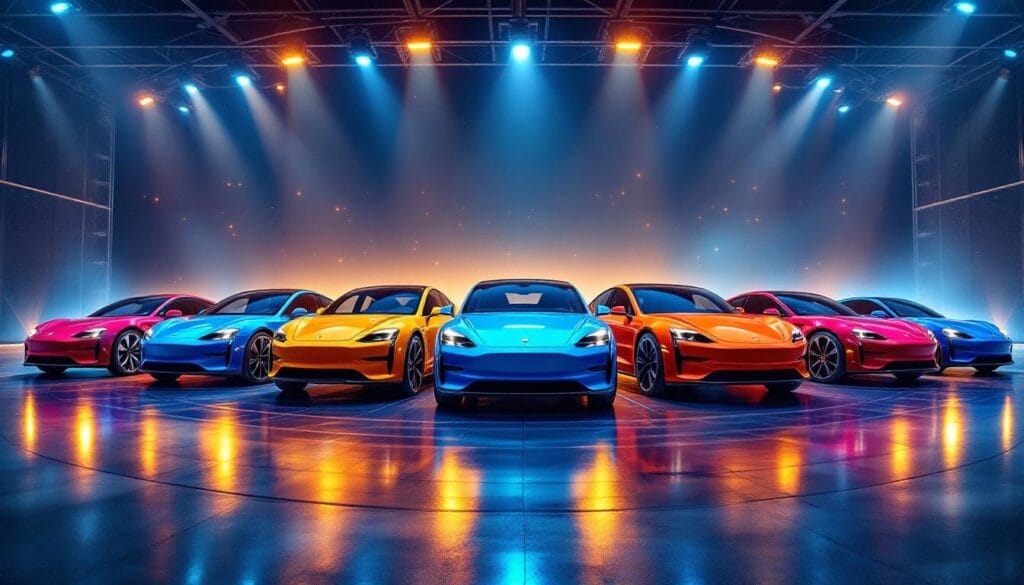
As we approach 2026, the luxury electric car market is set to witness an exciting evolution. With advancements in technology and a growing emphasis on sustainability, competition among high‑end electric vehicles (EVs) is heating up. This overview explores the key contenders in the luxury EV segment, highlighting their unique features and performance while offering a clear electric car comparison.
Setting the Stage for the Ultimate Showdown
The luxury electric car landscape has changed dramatically over the past few years. What once seemed like a niche market is now a thriving sector, with numerous manufacturers entering the fray. The 2026 luxury electric cars are not just about zero emissions; they blend performance, technology, and comfort in ways that define premium electric vehicles today. Understanding what sets these cars apart in design, technology, and driving experience is crucial as we prepare for this ultimate showdown.
Brief Overview of the Rapid Evolution of Luxury EVs
Luxury EVs have evolved from basic electric models into sophisticated machines equipped with advanced features. Today’s premium electric cars offer impressive range, cutting‑edge battery technology, and interiors that rival traditional high‑end vehicles. A focus on sustainable luxury has also led to innovative materials and more eco‑friendly manufacturing processes, making these cars appealing not only to performance enthusiasts but also to environmentally conscious consumers.
Introducing the Key Contenders
In this electric car comparison, several key players dominate the luxury EV market for 2026. Tesla, Lucid Motors, and Mercedes‑Benz lead the charge, each bringing distinct strengths. The Tesla Model S Plaid is renowned for ferocious acceleration and strong real‑world range that now rivals or exceeds many competitors. The Lucid Air focuses on long‑range capability and a spacious, ultra‑luxurious cabin, with top trims exceeding the Model S in estimated range per charge. Mercedes‑Benz’s EQS positions itself as the electric equivalent of the S‑Class, emphasizing serene ride quality, opulent materials, and high‑end technology while now matching or surpassing 350 miles of range in some trims. Together, these models illustrate how quickly the segment has matured.

Performance & Driving Dynamics: The Thrill of Electric Luxury
The world of luxury electric cars is evolving rapidly, with 2026 set to showcase some of the most thrilling and high‑performing EVs yet. As manufacturers push the boundaries of design and engineering, driving dynamics and performance have become core selling points.
Raw Power and Acceleration
Many 2026 luxury EVs now produce power figures once reserved for hypercars, with some configurations exceeding 1,000 horsepower and hitting 0–60 mph in less than 2–3 seconds. This level of performance allows models like the Model S Plaid, top‑spec Taycan, and certain Lucid Air trims to rival or outperform traditional supercars in straight‑line acceleration while remaining usable as daily drivers.
Handling and Suspension Systems
Luxury car performance is not just about speed; handling finesse and ride quality are equally important. Flagship EVs now use adaptive air‑suspension systems that can soften for comfort or firm up for cornering, sometimes adjusting ride height for better aerodynamics or clearance. This flexibility allows these cars to feel composed on highways yet agile on twisty roads, narrowing the gap between luxury sedan and sports car.
Advanced Torque Vectoring and All‑Wheel Drive
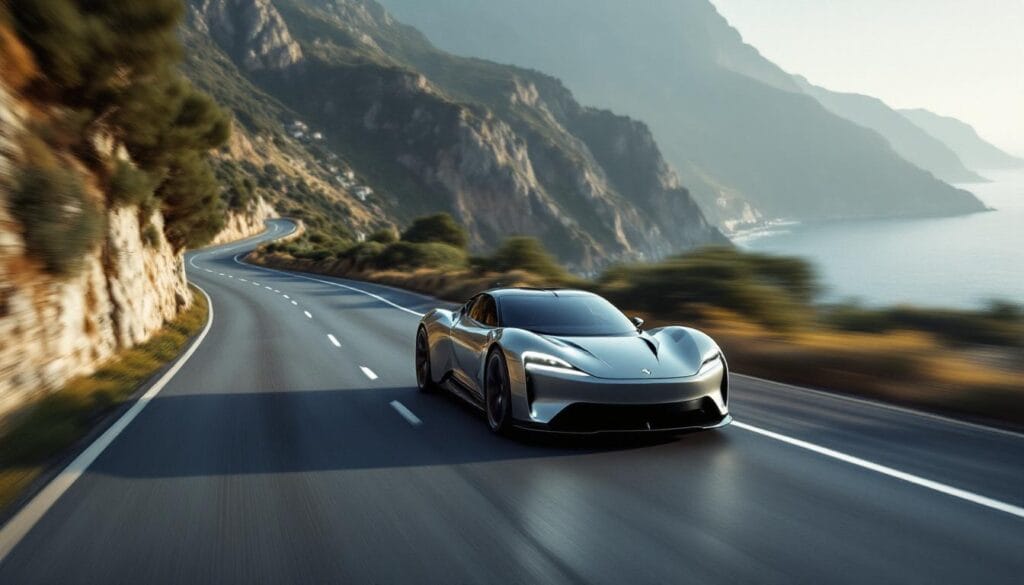
High‑end electric cars increasingly rely on dual‑ or tri‑motor layouts with sophisticated all‑wheel drive and torque‑vectoring software. These systems continuously adjust how much power goes to each axle—and sometimes each wheel—to improve traction, stability, and corner exit speed, especially in poor weather or on challenging roads. The result is a sense of confidence and connection that enhances everyday driving as much as spirited runs.
Interior Opulence & Cutting‑Edge Technology: Beyond Comfort
Luxury electric cars today stand at the intersection of craftsmanship and digital innovation, reshaping expectations for what a premium cabin should feel like.
Luxurious Materials and Craftsmanship
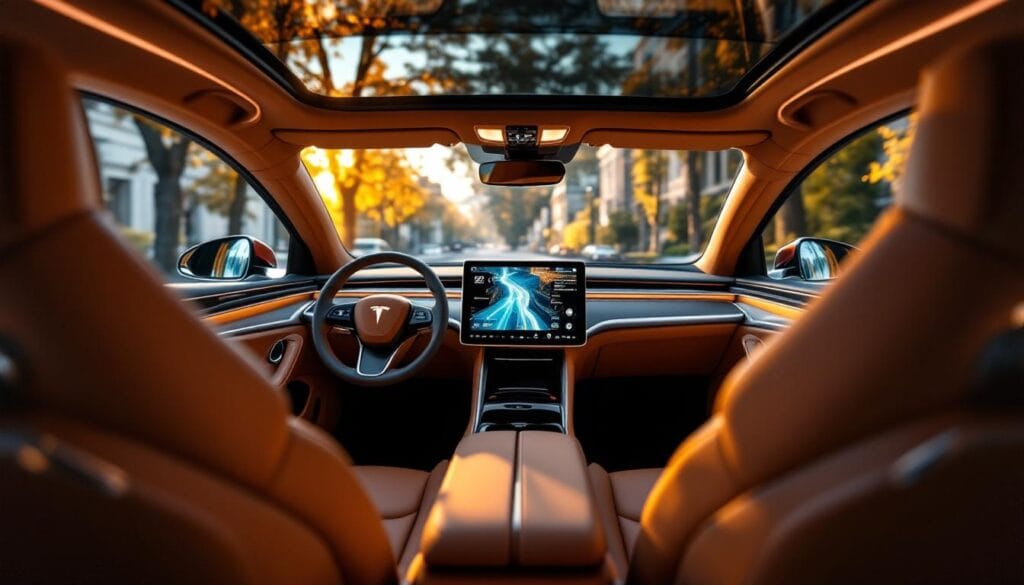
Manufacturers now combine traditional luxury materials—supple leathers, real metals, open‑pore wood—with more sustainable alternatives such as recycled textiles and low‑impact trims. Flagships like the EQS and top‑spec iX or Air use intricate ambient lighting, ultra‑adjustable seats, and meticulous detailing to create cabins that feel both futuristic and inviting.
Infotainment Systems and Digital Cockpits
Large, high‑resolution displays and “hyperscreen”‑style dashboards have become signatures of the segment. Systems in cars like the EQS, iX, and Taycan integrate navigation, media, vehicle settings, and driver‑assistance tools, often with over‑the‑air updates that add new features years after purchase. Advanced driver‑assistance (adaptive cruise, lane‑keeping, hands‑free highway functions in some markets) further elevates both convenience and perceived tech leadership.
Unique Comfort Features
Luxury EVs place special emphasis on acoustic glass, active noise management, and finely tuned insulation to create calm, almost lounge‑like cabins. Customizable ambient lighting, multi‑zone climate control with air‑quality filtration, and massage seats are increasingly common in this tier. These features make long journeys feel less fatiguing, reinforcing the idea of the car as a rolling sanctuary.
Range, Charging & Battery Innovation: Powering the Journey
Underneath the luxury finishes, range and charging performance are make‑or‑break metrics for discerning buyers.
Detailed EV Range Comparison
Top sedans like the Lucid Air and Tesla Model S now post EPA‑style range figures above 400 miles in some trims, with certain Lucid variants rated over 500 miles per charge, giving them leadership in long‑distance capability. Other luxury models such as the BMW iX and Mercedes EQS sit in the roughly 300–390‑mile band depending on wheel size and configuration. Real‑world results vary by speed, temperature, and driving style, but most current luxury EVs can comfortably handle a full day’s highway driving with only one fast‑charge stop.
Evaluating Charging Speeds and Infrastructure Compatibility
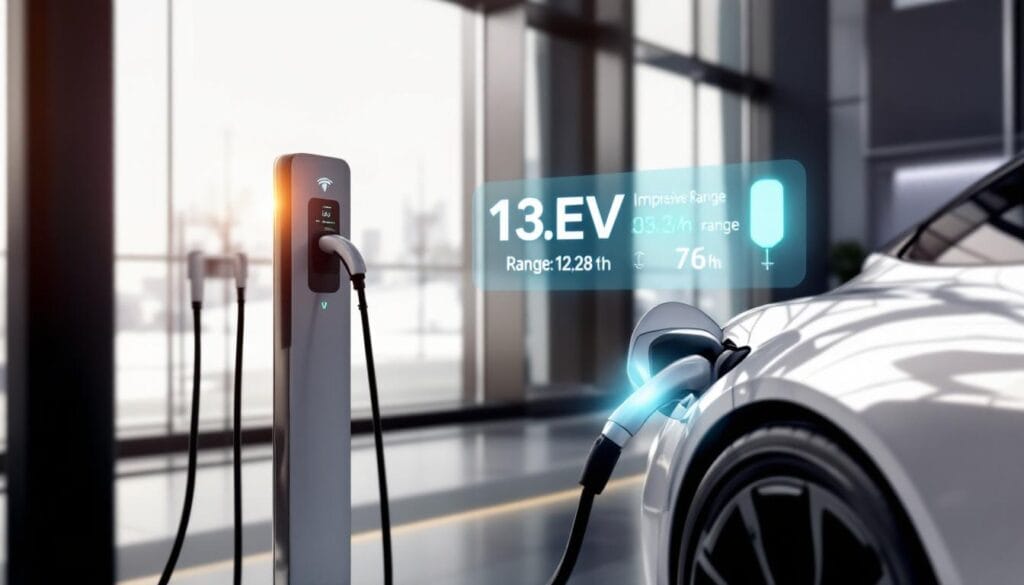
Fast‑charging capability and network access matter as much as peak range. Cars like the Taycan, EQS, and updated Model S now support very high DC fast‑charging rates—up to 250–320 kW in optimal conditions—allowing 10–80% charges in roughly 18–30 minutes at 800‑V or high‑power stations. Tesla still benefits from its tightly integrated Supercharger network, while other brands increasingly support multi‑standard networks and, in North America, are adopting the Tesla NACS plug for broader access.
Battery Longevity and Thermal Management Systems
Manufacturers typically back high‑voltage batteries with 8–10‑year warranties, but active thermal management and charging strategies are crucial to keeping real‑world degradation low. Sophisticated liquid‑cooling systems, pre‑conditioning routines, and optimized cell chemistry in cars like the Taycan and EQS help maintain performance and charge speed even after many cycles, supporting both longevity and resale value.
Design, Exclusivity & Brand Heritage: Making a Statement
Beyond the spec sheet, luxury EVs function as design objects and brand ambassadors.
Exterior Aesthetics and Aerodynamic Efficiency
Modern luxury EVs use sleek silhouettes, smoothed grilles, and carefully sculpted details to reduce drag and extend range, particularly in cars like the EQS and Lucid Air that prioritize slipperiness as part of their identity. Lightweight materials such as aluminum and, in some halo models, carbon fiber help balance performance, efficiency, and visual drama.
Brand Heritage in the Modern Era
Legacy brands—Mercedes‑Benz, BMW, Audi, Porsche—lean on decades of craftsmanship and motorsport history while repositioning themselves around zero‑emission powertrains. Their first‑wave and second‑wave EVs adapt familiar cues (grilles, lighting signatures, interior language) to new proportions. Newer players like Lucid take the opposite approach, using cleaner design and minimalist branding to signal a fresh, tech‑driven identity.
Customization and Exclusivity
Bespoke paint colors, unique wheel designs, special interior themes, and limited editions allow buyers to tailor cars to personal taste—especially via programs like Porsche Exclusive Manufaktur or Mercedes’ designo options. This customization reinforces exclusivity and positions these vehicles as extensions of the owner’s lifestyle rather than merely transport.
The Sustainability Edge & Future Outlook: Driving Consciously
Sustainability is now central to the luxury pitch rather than an afterthought.
Assessing Environmental Impact and Sustainability Efforts
Many brands conduct full life‑cycle assessments to track carbon impact from raw materials through production, use, and recycling, then commit to reducing emissions at each stage. Using renewable energy at factories, increasing recycled content in metals and plastics, and designing components for easier end‑of‑life recovery are all becoming standard practices in the high‑end EV space.
Innovative Materials and Manufacturing Processes
Carmakers increasingly incorporate recycled or bio‑based materials in seat fabrics, carpets, and trim, and experiment with low‑impact leathers and alternatives. Advanced manufacturing, including precise casting and targeted 3D‑printed components, can reduce waste and energy use compared to traditional methods. These shifts broaden the definition of “luxury” to include environmental responsibility.
Forecasting Future Trends in Luxury Electric Cars
Looking ahead, deeper integration of driver‑assistance and semi‑autonomous features, richer connectivity with smart homes and devices, and further improvements in energy density and charging speed are all expected. As competition intensifies, brands will likely differentiate with software experience, subscription‑based features, and new body styles (coupé‑SUVs, ultra‑luxury crossovers, performance wagons) built on flexible EV platforms.
Choosing Your Champion: Who Wins Which Category?
Different buyers will gravitate to different “winners” depending on priorities.
Performance: The Thrill Seekers
For sheer acceleration and headline numbers, the Tesla Model S Plaid remains a benchmark, combining sub‑3‑second 0–60 times with strong range and over‑the‑air performance updates. Drivers who favor a more traditional sports‑sedan feel and track‑tuned dynamics may prefer the Porsche Taycan, which trades absolute range for repeatable performance and precise handling.
Comfort: The Luxury Experience
If serene comfort and a cocooning cabin are the goals, the Lucid Air and Mercedes‑Benz EQS are standouts. Both emphasize rear‑seat space, ultra‑quiet cabins, soft rides, and high‑end materials, with the EQS in particular positioned as an electric S‑Class analog.
Technology: The Tech Enthusiasts
Tech‑focused buyers looking for bold interfaces and advanced assistance systems will find strong cases in the BMW iX and Audi e‑tron GT. The iX pairs a sophisticated infotainment and driver‑assist suite with highly efficient powertrains, while the e‑tron GT brings Audi’s performance‑oriented take on an electric grand tourer.
Range: The Long‑Distance Travelers
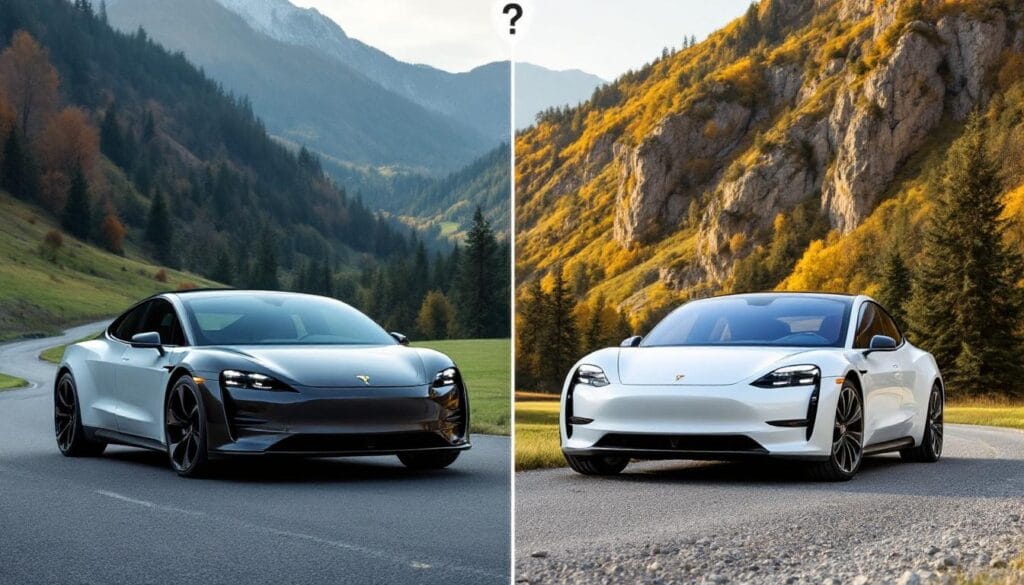
For frequent road‑trippers, maximum range and fast‑charge performance are key. High‑spec Lucid Air models and the latest Model S trims provide leading long‑distance capability, while other options such as the BMW iX, Hyundai Ioniq 5, and Ford Mustang Mach‑E balance solid range with rapid charging and value‑oriented pricing.
Final Thoughts on Value and Ownership
Ultimately, the best 2026 luxury EV depends on how you weight performance, comfort, technology, design, and total cost of ownership. With modern batteries, robust warranties, and expanding fast‑charging networks, long‑term ownership can now be both practical and rewarding for many use cases.
The Future is Electrifyingly Luxurious
The luxury electric segment is undergoing a profound transformation. Continuous innovation in range, charging, and software is redefining what premium motoring looks and feels like. As more brands join the fray and existing players iterate quickly, buyers will enjoy unprecedented choice in fast, quiet, and sustainable luxury vehicles that align both with their performance expectations and their environmental values.