The Collaborative Revolution in Luxury
The luxury landscape is undergoing a profound transformation, with collaboration emerging as the new frontier for innovation and growth. As brands navigate an increasingly competitive market, the shift from traditional solo prestige to strategic alliances is redefining how luxury brands connect with consumers and markets. This article explores the “why” and “how” of successful luxury brand collaborations, setting the stage for trends anticipated in 2025–2026.
Shifting Paradigms: From Solo Prestige to Strategic Alliances
Historically, luxury brands thrived on their individual identities, emphasizing exclusivity and heritage. Today’s market dynamics are prompting a shift toward collaboration, allowing brands to tap into new consumer bases, share resources, and co‑create innovative products. This approach broadens reach while fostering a sense of community among consumers who appreciate the merging of distinct brand identities.
The “Why” Behind Luxury Brand Collaborations
Understanding the motivations behind collaborations is crucial. Brands increasingly recognize that the right partnership can yield offerings that resonate deeply with consumers. High‑end fashion houses pairing with streetwear labels, for example, have created capsule collections that blend luxury with urban culture and attract younger demographics. These limited collaborations generate buzz, drive engagement, and often result in rapid sell‑through and heightened visibility.
Exploring the “How”: Successful Collaborations in Action
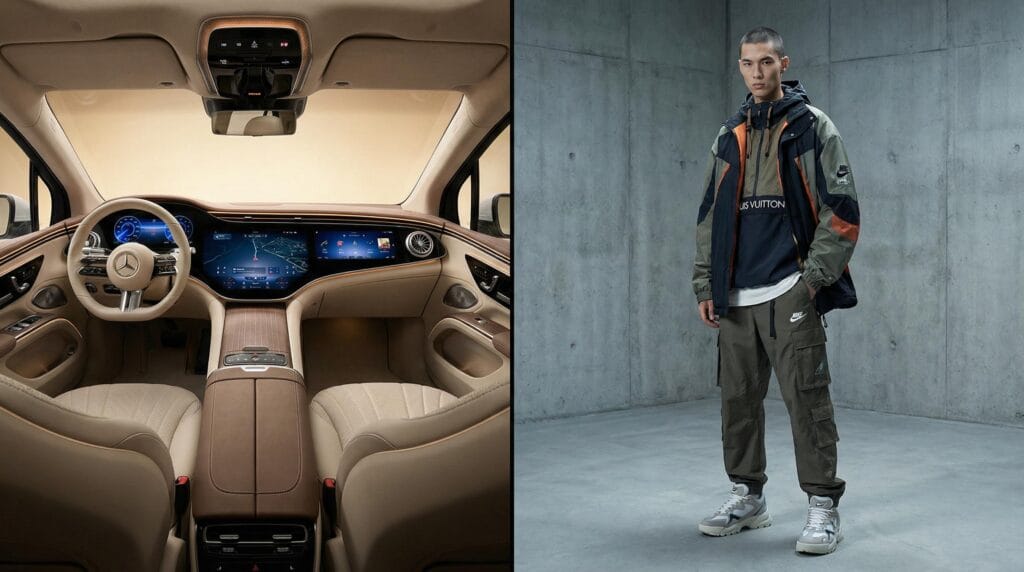
Successful luxury collaborations hinge on shared values and complementary aesthetics. A partnership between a fashion maison and an automotive marque can produce exclusive products—special‑edition cars, leather goods, or accessories—that reflect both identities. These tie‑ups create limited editions that appeal to collectors while expanding brand visibility into new sectors. Looking toward 2025–2026, expect more cross‑industry partnerships in sustainable fashion, digital experiences, and lifestyle ecosystems.
The Strategic Imperative: Why Luxury Brands Partner Up
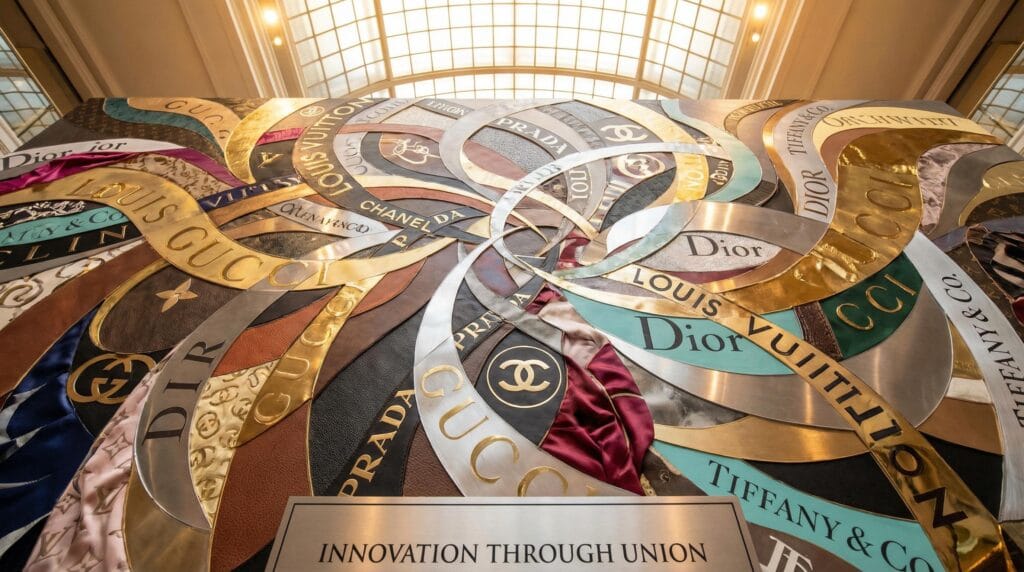
In the ever‑evolving fashion landscape, collaboration has become a strategic imperative rather than a novelty. Exclusive brand alliances help companies push creative boundaries while reaching new markets and demographics.
Innovation & Market Expansion
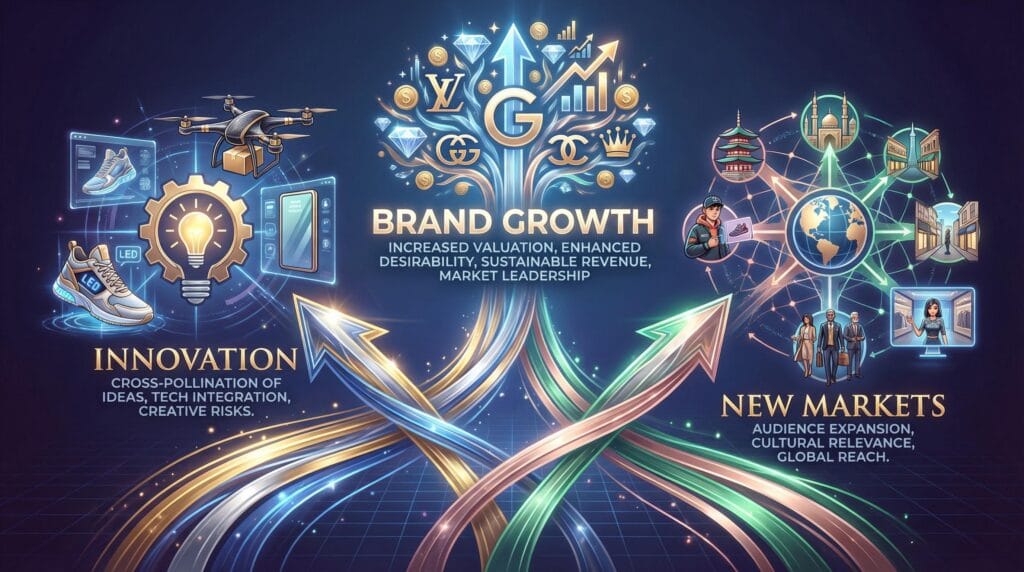
Designer partnerships are powerful levers for innovation and expansion. When luxury brands collaborate—say, a couture label with a tech firm to create smart accessories—they blend aesthetics and engineering to reach tech‑savvy audiences. These joint ventures introduce fresh product lines and open doors to consumers who may never have engaged with the brand previously.
Hype & Exclusivity
Limited editions and high‑profile collaborations generate intense hype. When a luxury brand announces a partnership with a renowned designer or celebrity, it creates urgency and scarcity around “must‑have” items. Pieces often sell out quickly, boosting demand, reinforcing exclusivity, and strengthening the brand’s position in a crowded luxury marketplace.
Brand Rejuvenation & Storytelling
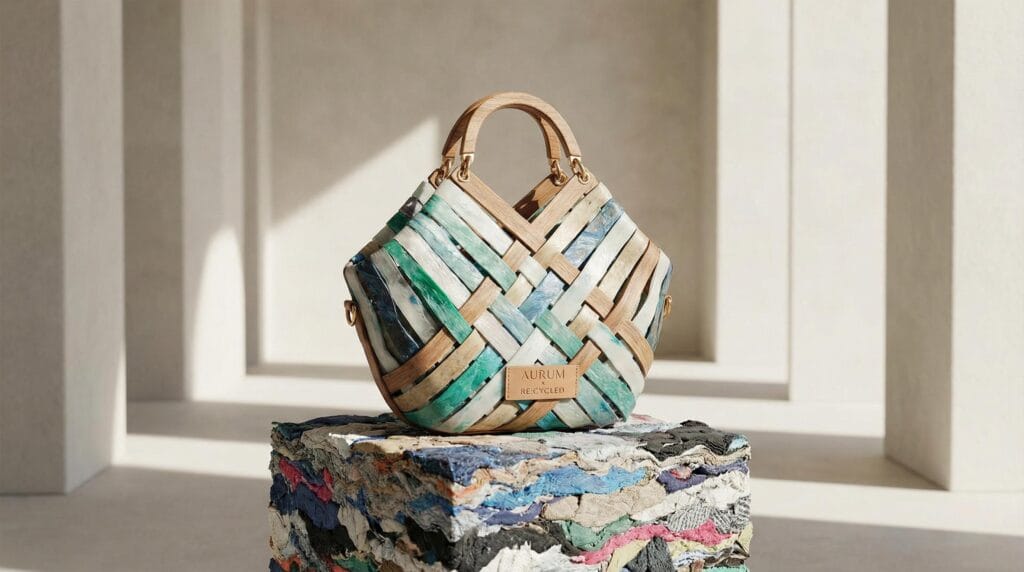
Collaborative collections also serve to refresh and reframe brand narratives. By working with new designers, artists, or influencers, a heritage brand can tell contemporary stories—around sustainability, diversity, or subculture—that resonate with today’s consumers. A partnership built around eco‑friendly materials or social impact can reposition a house as responsible and forward‑thinking, maintaining relevance in a dynamic market.
A Spectrum of Synergy: Unpacking Diverse Collaboration Models
Collaboration now spans a wide spectrum—from fashion‑streetwear mash‑ups to tech and automotive alliances—giving brands new ways to connect with culture.
Fashion & Streetwear Fusion
Luxury streetwear has reshaped the industry, pushing maisons to adopt more agile strategies reminiscent of fast‑fashion capsules. Limited‑run collections let luxury labels respond quickly to trends with pieces that feel current, collectible, and culturally tuned‑in. Designer collaborations in 2026 are likely to blur boundaries further, as houses court younger, trend‑savvy audiences who move fluidly between luxury and street culture.
Tech & Automotive Alliances
As technology advances, luxury brands increasingly integrate digital innovation into products and experiences. Digital fashion, NFTs, and connected accessories are becoming part of the offer. At the same time, collaborations with hypercar and performance‑car manufacturers combine high‑end engineering with couture design—think bespoke interiors, co‑branded editions, and capsule collections tied to specific models. These alliances elevate both partners and create distinctive narratives.
Art, Culture & Lifestyle Crossovers
Unexpected crossovers—with gaming platforms, hotels, restaurants, or cultural institutions—are expanding the relevance of luxury brands. Immersive experiences, in‑world skins, signature suites, or chef‑driven collaborations allow houses to express their identity in new contexts. By moving beyond fashion alone, brands create multi‑sensory touchpoints that deepen emotional connection.
The Power Players: Celebrity, Influence, and the Art of the Drop
Celebrity influence and scarcity‑driven releases are now central to the luxury collaboration playbook.
Celebrity Endorsements & Co‑Creations
High‑profile partnerships with actors, musicians, athletes, and digital creators can dramatically amplify a brand’s reach. Co‑designed collections that genuinely reflect a celebrity’s style, while respecting the house’s DNA, feel more authentic than simple endorsements. They draw fan communities into the brand universe and often sell out at speed, turning marketing stories into measurable commercial impact.
The “Drop” Phenomenon
The drop model—limited quantities released at specific times—has migrated from streetwear into mainstream luxury. By orchestrating scarcity and time‑boxed availability, brands drive urgency, resale value, and social chatter. Consumers who secure pieces feel part of an insider community, and anticipation around the next drop becomes its own engine of demand.
Crafting Immersive Experiences
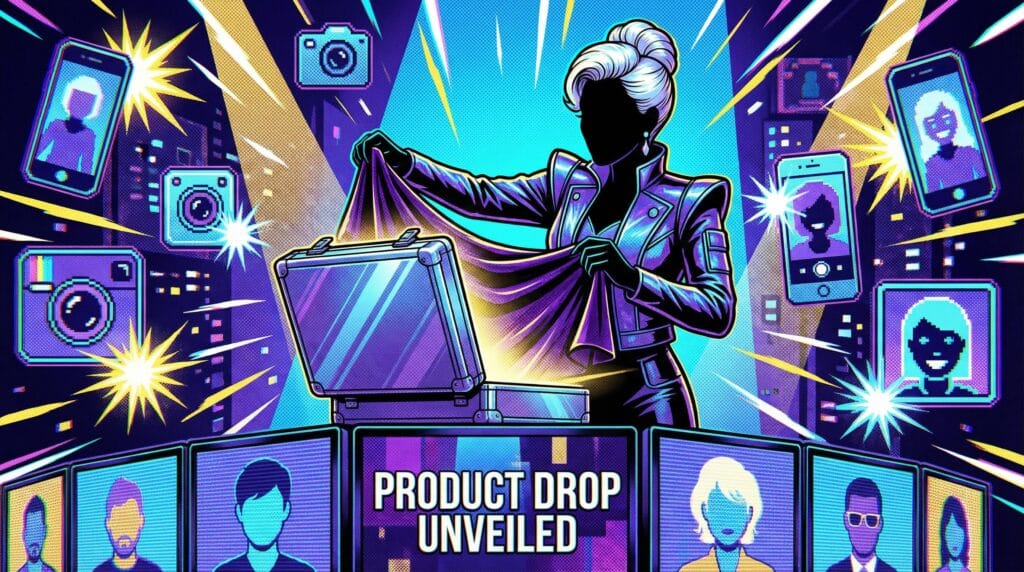
Beyond products, brands are investing in experiences that bring collaborations to life. Pop‑ups, traveling installations, VIP previews, metaverse activations, and interactive showrooms turn launches into events. These environments offer storytelling, content creation opportunities, and a sense of shared discovery that can’t be replicated online alone, making the relationship with the brand feel more personal and memorable.
Beyond the Hype: Building Sustainable & Meaningful Alliances
With consumer scrutiny rising, the most impactful collaborations are increasingly those built on shared values and long‑term vision.
Values‑Driven Partnerships
Today’s luxury customers look for alignment on ethics, sustainability, and social impact. Partnerships that spotlight eco‑friendly materials, responsible sourcing, or support for artisans and communities are gaining traction. When brands collaborate around clear values—rather than pure hype—they foster trust and loyalty while contributing tangibly to causes that matter.
Longevity Over Fleeting Trends
Instead of chasing short‑term virality, many houses are prioritizing collaborations that can evolve over multiple seasons or projects. Multi‑chapter partnerships, recurring capsules, or ongoing co‑branded lines allow deeper storytelling and more considered product development. This emphasis on longevity builds equity for both partners and avoids fatigue from one‑off “stunts.”
The Future of Collaborative Couture
Looking toward 2025–2026, collaborations are likely to become more immersive, more digital, and more transparently purposeful. Expect to see hybrid projects that blend physical craftsmanship with virtual fashion, AR try‑ons, or token‑gated experiences. The partnerships that will stand out are those that feel authentic, contribute something new to culture, and show clear respect for both brands’ communities.
Conclusion: The Future is Collaboratively Crafted
As luxury continues to evolve, collaborations are proving to be structural forces rather than fleeting trends. They are redefining value, expanding what “luxury” can look like, and opening doors to audiences who once felt excluded.
Recap of Transformative Power
By merging distinct identities, luxury brand collaborations have reimagined everything from product design to distribution. The rise of luxury streetwear, cross‑industry capsules, and co‑created experiences shows how working together can broaden reach and refresh meaning without abandoning heritage.
Adaptability, Authenticity, and Strategic Vision
In an era shaped by transparency and sustainability, the collaborations that succeed are those grounded in clear purpose and honest storytelling. Brands that adapt, remain true to their DNA, and choose partners strategically will be best placed to thrive as expectations rise.
Call to Action
For brands, the moment calls for thoughtful experimentation—seeking partners that complement their strengths and share their values. For consumers, it’s an invitation to engage with a richer, more interactive fashion ecosystem. From capsule collections to celebrity co‑creations and digital‑physical hybrids, the future of luxury is being collaboratively crafted—and it’s only just beginning.