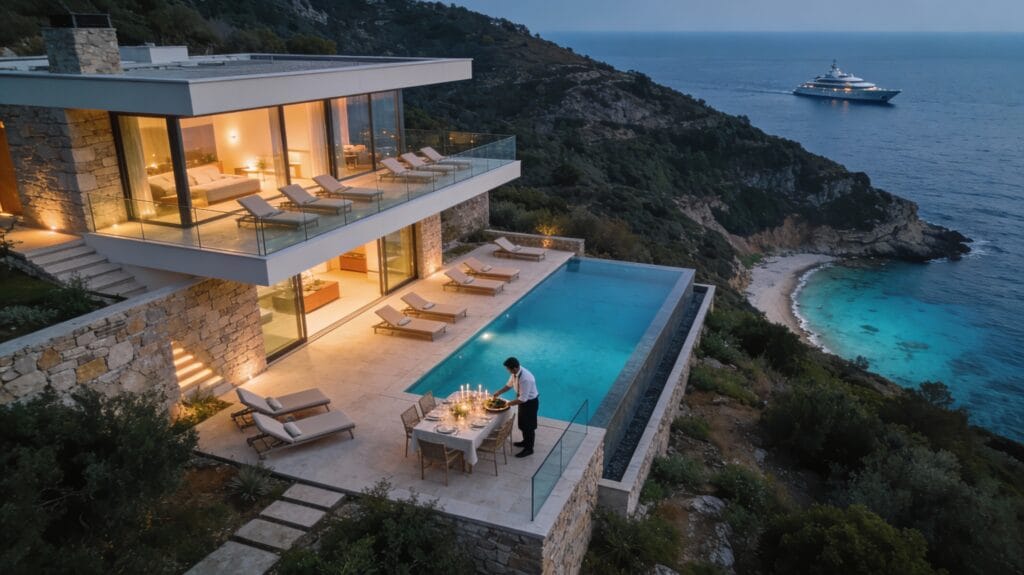
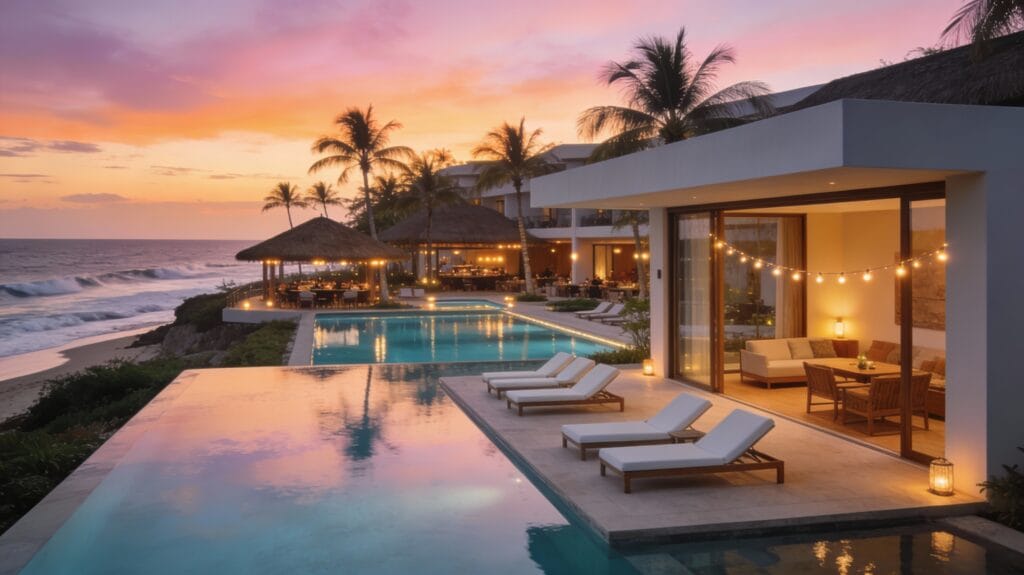
Luxury homes in 2026 are moving away from simply being big and expensive. Today’s high-end buyers want homes that improve their daily lives through smart design, wellness features, and eco-friendly upgrades. The focus has shifted from showing off square footage to creating spaces that match how you actually live.

The most sought-after luxury home features in 2026 include advanced smart home technology, dedicated wellness spaces like saunas and home gyms, sustainable building materials, seamless indoor-outdoor living areas, and personalized spaces that reflect your lifestyle rather than generic trends. Quality matters more than ever, with buyers willing to pay premiums for homes built with superior craftsmanship and thoughtful design.
Your luxury home in 2026 should work as hard as you do. Whether you want a home gym and cold plunge for wellness, smart systems that control everything from lighting to security, or spaces that adapt to multiple uses, the focus is on making every square foot count.
Key Takeaways
- Luxury homes now prioritize wellness features, smart technology, and sustainability over sheer size
- Buyers want quality craftsmanship and personalized spaces that support their specific lifestyle needs
- Indoor-outdoor living, flexible rooms, and eco-conscious upgrades define modern luxury residential design
Defining Luxury Home Features in 2026
Luxury homes in 2026 prioritize thoughtful design choices that enhance daily living rather than simply showcasing expensive materials. The focus has shifted toward creating spaces that reflect personal values while maintaining lasting appeal.
Intentional and Timeless Design
Intentional design in 2026 centers around purposeful choices that create refined spaces built to last. You’ll find that luxury home buyers are moving away from trendy elements that quickly feel dated.
Instead, you should focus on classic architectural details and quality materials. Natural stone, handcrafted woodwork, and carefully selected finishes create foundations that remain beautiful for decades. The goal is to blend contemporary comfort with enduring aesthetic appeal.
Key elements include:
- Clean lines and balanced proportions
- Premium materials like marble, brass, and hardwood
- Neutral color palettes with subtle variation
- Custom millwork and built-in features
Your home should feel cohesive from room to room. When architecture, interiors, and details work together seamlessly, the result is a space that transcends temporary design movements.
Personalization and Lifestyle Integration
Modern luxury living demands spaces that adapt to your specific needs. Generic layouts no longer appeal to buyers who want every square foot to serve a meaningful purpose.
You can incorporate flexible rooms that transform based on your activities. A single space might function as a yoga studio in the morning, a creative workspace in the afternoon, and a quiet retreat in the evening. Luxury custom homes are designed around your routines and preferences.
Technology plays a supporting role. Smart systems should enhance your lifestyle without creating complexity. AI-enabled features for convenience include lighting that adjusts to your schedule and climate controls that learn your preferences.
Prioritizing Functionality and Comfort
Beautiful spaces must also work exceptionally well. You need homes that combine visual appeal with practical solutions for daily living.
Wellness-focused features like steam showers and radiant heated floors are becoming standard rather than optional. These additions improve your quality of life while maintaining elegant design.
Storage solutions should be generous but invisible. Hidden pantries, integrated closet systems, and concealed utility spaces keep your home organized without cluttering sightlines. Every element should contribute to creating a calm, functional environment.
Your kitchen needs to handle serious cooking while looking refined. Dual prep areas, professional-grade appliances, and touchless fixtures deliver performance without sacrificing aesthetics.
Seamless Indoor-Outdoor Living
Luxury homes in 2026 prioritize seamless indoor-outdoor living through expansive glass systems, fully equipped outdoor spaces, and natural design elements that connect your home to its surroundings. These features maximize natural light, extend your usable square footage, and create versatile spaces for entertaining and relaxation.
Retractable Glass Walls and Floor-to-Ceiling Windows
Retractable glass walls dissolve the barrier between your interior and exterior spaces. These systems feature multi-panel sliding or folding doors that stack neatly to open entire walls, creating unobstructed access to patios, courtyards, or pool areas.
Floor-to-ceiling windows complement these systems by flooding your home with natural light while maintaining visual connection to outdoor views. You’ll find these features most commonly in great rooms, dining areas, and primary suites where indoor-outdoor flow enhances daily living.
Modern installations include weather-resistant seals, insulated glass options, and motorized operation for convenience. The best designs maintain consistent flooring materials from inside to out, using natural stone or wood-look tile that flows across thresholds without interruption.
Covered Outdoor Kitchens and Lounge Areas
Outdoor kitchens in 2026 rival your main kitchen in both functionality and design. You’ll find built-in grills, refrigeration, storage, and prep areas all protected under covered structures like loggias or extended roof overhangs.
Covered outdoor living spaces include comfortable lounge areas with weather-resistant furniture, outdoor fireplaces, and heating elements for year-round use. These zones typically connect directly to your interior kitchen and dining areas for easy entertaining flow.
Your outdoor kitchen should feature durable countertops, adequate lighting for evening use, and proper ventilation for cooking appliances. Many homeowners add pizza ovens, beverage stations, and built-in seating to create fully self-sufficient outdoor entertaining zones.
Water Features and Biophilic Design
Water features add sensory appeal to your outdoor spaces through sound, movement, and visual interest. Options range from infinity-edge pools and spa installations to architectural fountains and reflecting pools positioned as focal points visible from interior rooms.
Biophilic design incorporates natural elements throughout your indoor-outdoor living areas. This approach includes living walls with vertical gardens, natural stone materials, and strategic plantings that frame views and soften architectural lines.
You can enhance biophilic design by maintaining sightlines to landscaping from multiple interior rooms, using organic textures in furnishings, and positioning water features where their sound carries into adjacent living spaces. These elements reduce stress and create stronger connections to nature in your daily environment.
Wellness and Retreat Spaces
Luxury homes in 2026 prioritize physical and mental health through dedicated wellness environments. These spaces include spa-level bathrooms with advanced recovery features, professional-grade fitness areas, and quiet zones designed for rest and reflection.
Spa-Inspired Bathrooms and Heated Floors
Your primary bathroom now functions as a daily recovery space rather than just a place to get ready. Spa-inspired bathrooms in 2026 feature oversized soaking tubs positioned near windows for natural light and views. Many include separate zones for different activities like showering, bathing, and grooming.
Heated floors provide comfort year-round and eliminate the shock of cold tile in the morning. You’ll also find towel warming systems built into vanities or wall units.
The best spa-inspired bathrooms include sound-dampened walls to create privacy and quiet. Natural stone, warm wood tones, and soft lighting work together to make these spaces feel calm and restorative. Water features like rainfall showerheads and body jets add to the spa experience without requiring excessive space.
Home Gyms and Yoga Studios
Dedicated fitness rooms have become standard in luxury homes rather than afterthoughts. Your home gym needs proper athletic flooring like rubber or hardwood to protect your joints and equipment. Large windows or glass doors provide outdoor views and natural light during workouts.
Built-in mirrors along one wall help with form checks during strength training or yoga. Concealed storage keeps resistance bands, weights, and mats organized but accessible.
Climate control matters more in fitness spaces than other rooms. You need strong ventilation systems that manage heat and humidity during intense workouts. Many homeowners position these rooms near outdoor training patios or pool areas for seamless indoor-outdoor wellness integration.
Yoga studios typically feature minimalist design with space for multiple people to practice simultaneously. Dimmer switches and layered lighting let you adjust the mood from energizing morning sessions to calming evening stretches.
Saunas, Steam Showers, and Cold Plunge Pools
Recovery features are moving from luxury spas into private homes. Infrared saunas take up less space than traditional models and use lower temperatures while still providing health benefits. Steam showers often replace standard shower enclosures in primary bathrooms, with built-in seating and aromatherapy dispensers.
Cold plunge pools represent the newest addition to home wellness spaces. These small pools maintain water temperatures between 45 and 55 degrees for contrast therapy after sauna sessions or workouts.
You can install these features together in a dedicated recovery zone or spread them throughout your home. The combination of heat and cold therapy supports muscle recovery, circulation, and mental clarity. Proper drainage, ventilation, and waterproofing are critical for these wet environments.
Meditation Rooms and Quiet Nooks
Sleep-optimized and quiet spaces help you disconnect from daily stress. Meditation rooms feature acoustic insulation to block outside noise and create true silence. These rooms typically include minimal furniture, soft textures, and neutral colors that promote calm.
Reading nooks serve a similar purpose in a more casual format. Built-in window seats with cushions, adjustable task lighting, and nearby bookshelves create dedicated spaces for quiet time.
Both types of spaces benefit from blackout window treatments that give you control over natural light. Some homeowners add circadian lighting systems that adjust color temperature throughout the day to support your body’s natural rhythms. These quiet zones work best when positioned away from kitchens, entryways, and other high-traffic areas of your home.
Smart Home Technology and Automation
Whole-home automation platforms now control everything from lighting to security through a single interface, while invisible technology like concealed audio systems and AI-driven climate controls create environments that adapt to your daily patterns.
Integrated Home Automation Platforms
Home automation in 2026 means centralized control through platforms like Control4, Savant, or Lutron. You get one app that manages lighting, temperature, entertainment, security, and window coverings instead of juggling multiple disconnected systems.
The real advantage is seamless operation. Your home can run morning routines that gradually brighten lights, adjust the thermostat, and open blinds automatically. Evening modes dim lights throughout the house and activate security systems with a single command.
Smart home integration works best when installed during construction. Wiring and infrastructure hide within walls, keeping your design clean. You avoid exposed cables and multiple wall panels that clutter your space.
These systems also enable vacation modes that simulate occupancy and allow remote monitoring from anywhere. The technology anticipates your needs rather than waiting for manual input.
Hidden Speakers and Acoustic Treatments
Luxury homes now feature invisible audio systems that preserve architectural design. In-wall and in-ceiling speakers disappear into your space while delivering room-filling sound. You get high-quality audio without visible equipment disrupting your aesthetic.
Acoustic treatments have become equally discreet. Sound-absorbing panels integrate into wall finishes, ceiling designs, and custom millwork. These treatments control echo and optimize sound quality in media rooms, home theaters, and open living spaces.
Hidden speakers connect to your automation platform for whole-home audio zones. You can play different music in each room or sync everything for parties. Voice controls let you adjust volume and switch sources without reaching for devices.
Lighting and Climate Control Innovations
Circadian lighting systems follow natural daylight patterns to improve sleep and focus. Morning light starts warm and gradually brightens. Afternoon switches to cooler white tones for productivity. Evening returns to low, warm lighting that promotes rest.
AI-driven thermostats learn your schedule and adjust temperatures before you think about it. Smart home technology preheats floors before you wake up and adjusts based on room occupancy. Zoned HVAC systems let you set different temperatures for bedrooms, living areas, and home offices.
Automated daylight harvesting adjusts artificial lighting based on natural light levels. Your home dims lights near windows during sunny days and brightens them when clouds roll in. Scene-based controls create custom settings for different activities like cooking, entertaining, or watching movies.
Sustainability and Eco-Conscious Features
Luxury homeowners in 2026 prioritize environmental responsibility through advanced energy systems, sustainable construction methods, and water-saving technologies. These features reduce carbon footprints while maintaining high-end aesthetics and performance.
Solar Panels and Green Roofs
Installing solar panels on your luxury home generates clean energy while reducing your monthly utility bills. Modern solar systems produce more energy than they consume, making them a smart long-term investment for your property.
Green roofs provide natural insulation while reducing stormwater runoff and creating attractive outdoor spaces. These living roof systems keep your home cooler in summer and warmer in winter through natural temperature regulation.
You can pair solar technology with air source heat pumps to maximize energy efficiency. These systems pull heat from the natural environment to warm your home with minimal electricity use. The combination of solar panels and heat pumps creates a nearly self-sufficient energy system for your property.
Carbon-Neutral and Energy-Efficient Building
Net-zero energy homes command premium prices in today’s luxury market. These properties generate as much energy as they consume through efficient design and renewable power sources.
Smart thermostats and automated energy monitoring systems track your power usage in real time. Lights turn on or off based on room occupancy, reducing waste without requiring any effort from you. Automated window shading adjusts transparency based on sunlight intensity to regulate indoor temperatures naturally.
Triple-glazed windows with sustainable frames minimize heat loss while allowing natural light to flood your interior spaces. Air quality control systems filter pollutants and maintain optimal indoor conditions for your health and comfort.
Sustainable Materials and Water Conservation
Choose reclaimed wood, bamboo, and cork for your building materials to reduce environmental impact. Locally sourced stone cuts transportation emissions while adding authentic regional character to your home design.
Natural swimming pools use biological filtration systems with plants and beneficial bacteria instead of harsh chemicals. You can heat these pools with solar power for a completely sustainable recreation feature.
Rainwater harvesting systems collect water for irrigation and non-potable uses throughout your property. Native plants in your landscaping require less water and maintenance while supporting local ecosystems. Composting systems turn kitchen waste into nutrient-rich soil for your gardens.
Custom Kitchens and Entertaining Spaces
Luxury kitchens in 2026 focus on creating dedicated zones for cooking, storage, and hosting. Panel-ready appliances and flush-fitting installations provide seamless designs, while additional prep areas keep your main kitchen ready for guests.
Dual Islands and Chef-Grade Appliances
Oversized islands now serve as the centerpiece of luxury kitchens. You’ll find multi-functional feature islands equipped with built-in sinks, induction cooktops, and slide-out features that maximize your workspace.
Many homeowners install two islands to separate cooking and entertaining areas. One island handles meal prep with a cooktop and prep sink. The other provides seating and storage for casual dining.
Chef-grade appliances integrate directly into your cabinetry. Steam ovens replace traditional microwaves to retain moisture and texture in your food. Smart refrigerators track ingredients automatically, while dishwashers learn your cleaning habits over time.
Panel-ready appliances blend with your custom millwork. These units hide behind cabinet fronts that match your existing design, eliminating the visual break of stainless steel appliances.
Beverage Centers and Integrated Storage
Bespoke wine fridges feature LED lighting, climate control, and UV-protective glass. You can integrate these units into your cabinetry without building a full wine cellar.
Custom islands now include built-in beverage centers. These sections store wines, spirits, and mixers at proper temperatures. Dedicated ice makers and glass storage keep everything you need within reach.
Integrated storage solutions hide small appliances behind pocket doors or lift-up cabinets. Your countertops stay clear while coffee makers, blenders, and toasters remain easily accessible. Pull-out shelving and vertical dividers organize pots, pans, and baking sheets efficiently.
Butler’s Pantries and Sculleries
Sculleries and prep kitchens are returning to luxury homes in 2026. These separate spaces handle meal prep and cleanup while your main kitchen stays pristine for entertaining.
Your butler’s pantry can include a second sink, refrigerator, and counter space for prep work. This area stores small appliances and contains the mess of daily cooking. Walk-in pantries expand to accommodate these features when you have the square footage.
You benefit from separating cooking zones when hosting. Caterers or family members work in the scullery while guests gather around your main kitchen island. This setup lets you keep dirty dishes, food prep, and clutter out of sight during parties.
Flexible and Multipurpose Spaces

Luxury homes in 2026 prioritize rooms that adapt to your changing needs rather than serving just one function. You’ll find spaces designed for remote work, family visits, and recreation all within thoughtfully planned layouts that maximize every square foot of your estate.
Home Offices and Flex Rooms
Your home office needs to do more than house a desk. Modern flex rooms are being used for home offices, gyms, playrooms, and craft spaces that change based on daily activities.
These spaces often include:
- Built-in storage that hides away when not in use
- Adjustable lighting for video calls and focused work
- Soundproofing to separate work from living areas
- Dual-purpose furniture like murphy beds or convertible desks
You can transform a flex room from a morning yoga studio to an afternoon office with minimal effort. The key is designing these spaces with multiple functions in mind from the start. Smart storage solutions and neutral finishes let you shift the room’s purpose without major renovations.
Multigenerational and Guest Suites
Your guest accommodations are becoming full living spaces rather than basic bedrooms. Guest suites now double as home offices and can house aging parents or adult children who return home.
These suites typically feature:
- Private entrances for independence
- Full bathrooms and kitchenettes
- Separate climate controls
- Accessible design elements like zero-step entries
Multigenerational suites give your family members privacy while keeping them close. You’ll find these spaces work equally well for extended family stays or as rental income opportunities. The best designs include enough separation from the main house that occupants feel they have their own space.
Game Rooms, Golf Simulators, and Pickleball Courts
Your recreation spaces now include high-tech entertainment options alongside traditional amenities. Golf simulators let you practice your swing year-round without leaving home. You can install these systems in existing game rooms or dedicated spaces with proper ceiling heights.
Pickleball courts are appearing on more estates as the sport gains popularity. A regulation court requires about 30 by 60 feet of space, which fits in many backyards.
Game rooms accommodate:
- Virtual reality setups
- Home theaters with tiered seating
- Bar areas for entertaining
- Multiple gaming zones that serve different age groups
These spaces add serious value to your property while giving your family reasons to stay home for entertainment.
Craftsmanship, Materials, and Interior Details

Luxury homes in 2026 prioritize handcrafted elements, natural materials in warm tones, and built-in features that add both beauty and function. These details create spaces that feel personal and built to last.
Custom Millwork and Architectural Features
Custom millwork transforms ordinary rooms into unique spaces that reflect your style. Built-in cabinetry, ceiling treatments, and trim work add character that mass-produced elements cannot match.
Craftsmanship and custom design details create homes that feel one-of-a-kind rather than generic. Statement entryways with oversized pivot doors serve as architectural focal points when guests arrive. Crown molding, wainscoting, and coffered ceilings add depth to walls and ceilings.
Custom cabinetry in kitchens, libraries, and bathrooms provides storage solutions tailored to your needs. Detailed woodwork around windows and doorways frames views and transitions between rooms. These architectural features increase your home’s value while making daily living more enjoyable.
Natural Materials and Earthy Color Palettes
Luxury interiors in 2026 emphasize warmth through materials that invite touch and create comfort. Honed stone, rich woods, and textured surfaces replace cold, stark finishes from previous years.
Natural materials with tactile qualities bring quiet luxury to your home. Wood flooring in warm tones adds richness underfoot. Stone countertops and backsplashes in earthy shades create inviting kitchens and bathrooms.
Color palettes feature nuanced blues, terracotta, and rust tones that add personality without overwhelming spaces. These warm colors work with natural light to make rooms feel welcoming throughout the day. Textured fabrics on furniture and window treatments layer additional comfort into each room.
Integrated Storage and Reading Nooks
Built-in storage solutions keep your home organized while maintaining clean lines and open floor plans. Integrated storage eliminates clutter and makes spaces feel larger and more peaceful.
Custom closet systems, window seats with storage beneath, and built-in bookshelves maximize every square foot. Reading nooks tucked into alcoves or bay windows create quiet retreats for relaxation. These cozy spots often include cushioned seating, task lighting, and nearby shelving for books.
Flexible storage systems adapt as your needs change over time. Hidden compartments in staircases, mudroom cubbies, and kitchen pantries with pull-out organizers keep daily items accessible but out of sight. These thoughtful details support how you actually live in your home.
Frequently Asked Questions

Luxury homeowners in 2026 are prioritizing wellness spaces, smart technology that learns their habits, and flexible rooms that adapt to changing needs. Natural materials and indoor-outdoor connections define the aesthetic while sustainable features reduce environmental impact.
What are the latest trends in eco-friendly luxury home design for 2026?
You’ll find that luxury homes are getting smarter and more purposeful rather than just bigger in 2026. Sustainable materials like reclaimed wood, honed stone, and natural finishes are replacing synthetic options in high-end builds.
AI-driven energy management systems learn your habits and adjust climate controls to reduce waste. These systems optimize heating, cooling, and lighting based on when you’re home and what you prefer.
Advanced air and water filtration systems are now standard in luxury properties. You get cleaner air quality and purified water throughout your home without visible equipment disrupting your design.
Solar integration has become more seamless with hidden panels and battery storage systems. Your home can generate and store its own power while maintaining its aesthetic appeal.
How have smart home technologies been integrated into luxury properties this year?
Smart home technology has matured into seamless systems that control lighting, HVAC, security, and entertainment from one platform. You can manage your entire home through intuitive interfaces that don’t require technical knowledge.
Biometric access systems replace traditional locks and keys. Your fingerprint or face scan grants you entry while providing enhanced security for your property.
Hidden and flush-mount technology preserves your home’s design integrity. Speakers disappear into ceilings, screens retract into walls, and controls integrate into surfaces so technology doesn’t dominate your space.
AI learns your preferences over time and adjusts settings automatically. Your home anticipates when you want lights dimmed, temperature adjusted, or music playing based on your routine.
What are the most sought-after amenities in high-end homes in Florida and California in 2026?
Retractable glass walls that open entire living spaces to outdoor areas top the list of Florida luxury home features. You get year-round enjoyment of patios and lanais with climate-controlled outdoor spaces.
Covered outdoor kitchens with built-in grills, refrigeration, and seating areas create entertainment zones. These spaces function as extensions of your interior kitchen for hosting guests.
Spa-inspired bathrooms with steam showers, soaking tubs, and chromotherapy lighting provide daily wellness experiences. You don’t need to visit a spa when your home offers the same amenities.
Wellness suites go beyond basic home gyms. You get dedicated spaces for yoga, meditation rooms, infrared saunas, and even wellness gardens with water features.
Can you describe the interior design features that are defining luxury homes in 2026?
Custom millwork and architectural detailing create unique spaces that feel crafted rather than mass-produced. You’ll see statement entryways with oversized pivot doors and architectural focal points that set the tone.
Natural materials with texture define modern luxury aesthetics. Rich woods, honed stone, and tactile surfaces create warmth that moves beyond cold minimalism.
Curated lighting systems highlight design features and create atmosphere throughout your home. Fixtures serve as both functional elements and art pieces that enhance your space.
Flex rooms replace single-use spaces with adaptable designs. Your guest suite doubles as a home office, media rooms reconfigure for different activities, and creative studios adjust to your hobbies.
What types of sustainable materials are being used in luxury home construction currently?
Reclaimed wood brings character and history to floors, beams, and accent walls. You get sustainable materials that also add unique visual interest to your home.
Honed natural stone offers durability and timeless beauty in countertops and flooring. These materials last decades while maintaining their appeal and reducing replacement waste.
Low-VOC paints and finishes improve indoor air quality while protecting the environment. You breathe cleaner air without sacrificing color options or finish quality.
Locally sourced materials reduce transportation emissions and support regional craftspeople. Your home features materials that reflect local character while minimizing environmental impact.
How are luxury homes accommodating remote work and lifestyle changes in 2026?
Dedicated home offices with flexible walls and custom storage adapt as your work needs change. You get professional spaces separate from living areas that maintain work-life boundaries.
Multi-purpose flex rooms serve as guest suites, offices, or hobby spaces depending on your current needs. Customizable configurations let rooms evolve without major renovations.
Enhanced connectivity infrastructure supports video conferencing and multiple users working simultaneously. Your home handles high bandwidth demands without connectivity issues.
Soundproofing between work and living spaces ensures privacy during calls and meetings. You can work from home while other family members go about their day without disruption.