Stepping into an upscale restaurant can feel daunting—especially if you’re second-guessing which fork to reach for or how to discreetly signal the waiter. But honestly, fine dining etiquette isn’t about memorizing endless rules. At its heart, it’s about showing respect for the venue, your guests, and yourself through thoughtful, gracious behavior.
Fine dining etiquette encompasses every detail—from making a reservation and dressing the part to handling utensils, pacing your meal, and tipping with sophistication. These gestures don’t just elevate the mood—they create a rarefied atmosphere where everyone feels at ease. Whether you’re at a business dinner, celebrating a milestone, or simply indulging in a memorable meal, mastering fine dining manners is a confidence boost you’ll never regret.
Don’t stress about perfection. The fundamentals of fine dining etiquette make sense once you get the reasoning behind them. And the more you practice, the more second-nature it all feels—leaving you free to savor exquisite food and sparkling conversation.
Key Takeaways
- Fine dining etiquette exudes confidence and signals respect for the restaurant and your companions
- Essentials: dress impeccably, use utensils from the outside in, keep the conversation light and engaging
- With practice, good manners become effortless—and transform your dining experience
Understanding Fine Dining Etiquette
Fine dining etiquette is all about the details that define a truly refined atmosphere in upscale restaurants. Everything matters—from your attire to how you interact with staff and fellow guests.
What Sets Fine Dining Apart from Casual Dining
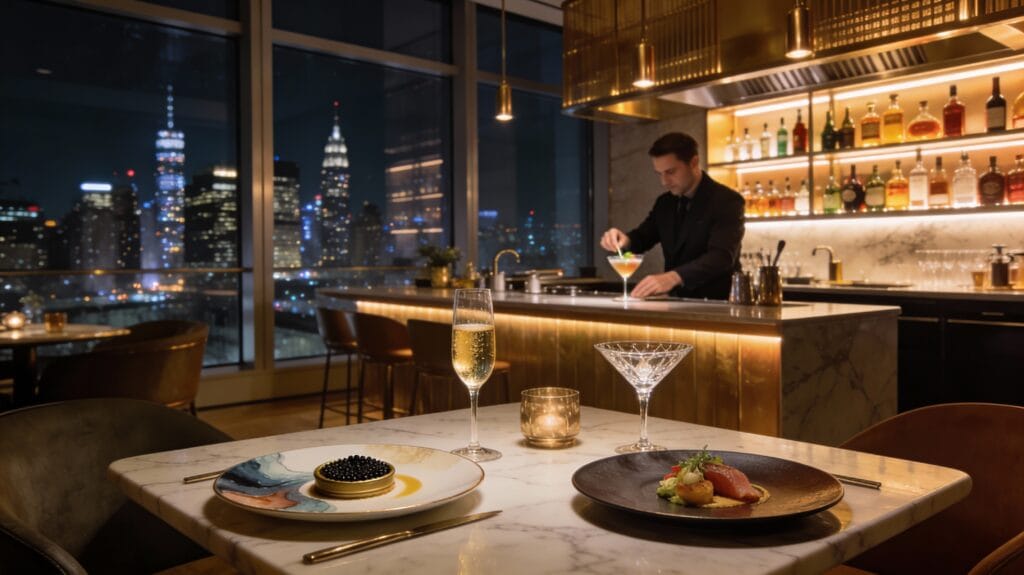
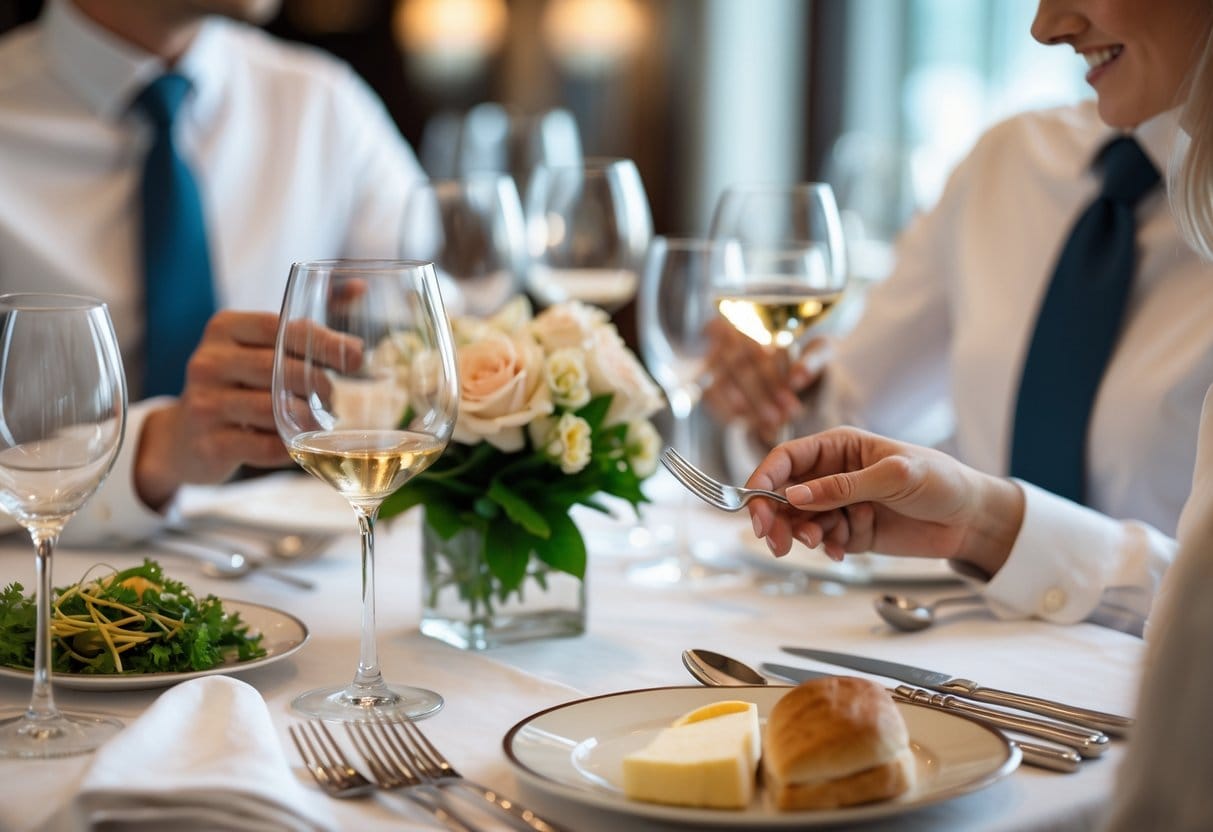
Fine dining restaurants envelop you in a formal setting—think meticulously arranged tableware, multiple courses, and an array of glasses for different drinks. You’ll spot a service plate that remains until your entrée arrives, and the cutlery changes with each course.
The service? It’s in a league of its own. Servers present each dish to you, orchestrating a seamless experience at a deliberate, unhurried pace. You’re never rushed—each course is an invitation to linger.
Dress codes here mean business. At most fine dining venues, business casual is the bare minimum. Many demand tailored suits, elegant dresses, or evening wear. Leave the jeans and tees at home—these spaces expect you to look the part.
Core Principles of Fine Dining Manners
Luxurious Mahogany Gift Boxes – Meticulously handcrafted in woodwork, this opulent collection of mahogany gift boxes exudes the excellence of French savoir-faire.Fine dining manners are rooted in tradition, but they’re practical, too. Use utensils from the outside in as courses arrive. Bread plate on your left, drinks to your right—simple, yet essential.
Napkin etiquette isn’t just for show. As soon as you sit, place your napkin on your lap. If you step away, drape it over your chair. At the end? Leave it loosely folded to the left of your plate.
Wait until everyone’s served before you start eating. Take small bites, chew quietly, and please—don’t talk with your mouth full. Keep your phone silent and tucked away; nothing kills ambiance faster than a buzzing device on the table.
Why Etiquette Matters for the Fine Dining Experience
Etiquette is more than tradition—it’s respect for the chef’s artistry, the restaurant’s standards, and your companions’ experience. These unspoken rules preserve the rarefied air that makes fine dining worth every penny.
Your choices impact everyone at the table. When you use the right fork or subtly indicate you’ve finished, you help the staff serve seamlessly. Making eye contact in conversation? It’s a small gesture that signals you’re present and engaged.
Preparing for Fine Dining
Success at a fine dining restaurant starts long before you’re seated. Book your table at the right time, dress with intention, and choose a restaurant that truly suits your taste and expectations. These details set the tone for a flawless, memorable evening.
Making and Managing Reservations
Reserve early—especially for coveted spots. The city’s best restaurants often book out weeks, even months, in advance. When possible, call the restaurant directly. It’s more personal and lets you discuss dietary needs or special celebrations.
Be precise with your reservation details. If you’re celebrating, need accessibility, or have allergies, let the staff know up front. They’ll tailor the experience to your needs.
Confirm your reservation a day or two before. If plans change, cancel promptly—these venues often have waitlists, and some charge fees for late cancellations or no-shows.
Arrive on time. Show up more than 15 minutes late, and you risk losing your table. If you’re delayed, call ahead. It’s a simple courtesy that goes a long way.
Dress Code Essentials
Peets.com Exclusive 5% off Sitewide OfferFine dining dress codes can vary, but the common thread is elegance. Men should opt for tailored pants, a crisp shirt, and—often—a jacket. Women might choose a chic dress, a skirt and blouse, or a sophisticated pantsuit.
Skip the sneakers, flip-flops, athletic wear, shorts, or baseball caps. These just don’t belong in this setting. When in doubt? Overdress rather than underdress.
Check the restaurant’s website or call to clarify the dress code. Some require jackets for men or ban denim entirely. Others may be slightly more relaxed, but always expect neat, stylish attire.
Don’t overlook the details: polished shoes, understated fragrance, impeccable grooming. Strong colognes or perfumes can overpower the senses—let the cuisine take center stage.
Choosing the Right Restaurant
All the vegan creations contain no animal or dairy products adherence to French tradition: natural ingredients, no alcohol, no preservatives, high cocoa content, low sugar, and 100% pure cocoa butter.For your first foray into fine dining, stick with a cuisine you know and love. This way, you can focus on the experience, not deciphering an unfamiliar menu.
Browse reviews and photos before you commit. Peek at sample menus to gauge the vibe and price point. Some venues offer shorter tasting menus or à la carte options—ideal if you’re easing into the world of haute cuisine.
Consider starting with a one-MICHELIN-starred restaurant. You’ll get superb food and service, but without the pressure or price tag of higher-starred venues.
Prioritize restaurants known for gracious, attentive service—not just flashy dishes. The most memorable meals blend culinary artistry with staff who make you feel like a VIP from start to finish.
Seating and First Impressions
Your presence is felt from the moment you walk in. The way you arrive, accept your seat, and acknowledge others reveals your appreciation for the setting—and sets the tone for what’s to come.
Proper Arrival Protocols
Arrive 5 to 10 minutes early. This cushions you against traffic or last-minute delays and lets you settle in without a rush.
Wait at the host stand—don’t wander into the dining room. The host will welcome you and guide you to your table. If you need to check a coat or bag, do so before you’re seated.
Silence your phone as soon as you enter. Keep it tucked away. A phone on the table signals you’re only half-present—hardly the impression you want to make in such an exclusive setting.
If you’re meeting others, wait in the reception area. Don’t head to the table alone unless everyone’s arrived or the host suggests it.
Seating Etiquette
Peet’s Single Origin Series Subscription: The quintessential expression of a coffee region in your cup.Let the host or server pull out your chair and show you to your seat. In formal settings, the guest of honor usually receives the prime seat with the best view.
Traditionally, men wait for women to be seated before sitting themselves—whether you’re with friends, family, or colleagues.
Sit upright, back against the chair. Keep elbows off the table while eating, but resting your forearms on the edge between courses is perfectly fine. Place your napkin on your lap right after you sit down.
Find a comfortable posture that’s poised but not stiff. Don’t slouch, lean too far back, or push your chair away from the table—you should reach your glass and cutlery with ease.
Ready to elevate your next dining experience? Book your table at a world-class venue and discover how impeccable etiquette transforms every meal into a celebration. For more inspiration, explore our guides to luxury waterfront restaurants and top-tier cocktail bars for your next unforgettable night out. Affiliate disclosure: Some links may earn us a commission at no extra cost to you—thank you for supporting our curation of the world’s finest experiences.
FAQ: Fine Dining Etiquette
- Is it ever acceptable to use your phone at the table?
No—unless it’s an emergency. Keep your phone silent and out of sight to maintain the sophisticated ambiance. - What if you’re unfamiliar with a utensil?
When in doubt, observe your host or server. Utensils are arranged for use from the outside in as courses progress. - How much should you tip at a fine dining restaurant?
For exceptional service, 18–22% is standard in the U.S. Some venues add gratuity automatically—always check your bill. - Should you bring a gift when invited to a formal dinner?
A small gesture—like a bottle of wine or a tasteful floral arrangement—is always appreciated, though not required. - Why invest in fine dining experiences?
You’re not just paying for food—you’re investing in artistry, ambiance, and memories. The exclusivity and attention to detail are worth every indulgent moment.
Greet the Host and Fellow Diners
When your server arrives, meet their introduction with a warm smile and genuine eye contact. In refined dining rooms, this first impression isn’t just a nicety—it quietly sets the tone for the entire evening.
As you join your party, take a moment to greet each guest individually. Whether it’s a handshake, a nod, or a subtle gesture, tailor your greeting to the relationship. There’s no rush; let everyone settle in before diving into deeper conversation.
Throughout your meal, address the staff with sincere “please” and “thank you”—not just out of habit, but because it’s the mark of a true connoisseur. Show the same level of respect to servers, sommeliers, and every member of the team. After all, their expertise elevates your experience.
Keep your voice low and composed. The best fine dining rooms—think of those on our Luxury Restaurants in Paris list—cultivate an intimate, hushed ambiance where discretion and subtlety reign. Why not immerse yourself in that rarefied calm?
Affiliate disclosure: Some links may earn us a commission at no extra cost to you. We only recommend experiences we truly love.
Ready to savor the art of elegant hospitality? Book your next reservation and experience these refined rituals for yourself. For more on world-class service, explore our guide to private dining etiquette—because luxury is in the details.
FAQ
National Parks – Scenic routes with breathtaking views all over the country, who knows what you might discover!- Why is greeting the server important in fine dining?
It signals respect and appreciation, setting a gracious tone that enhances your entire meal. In luxury establishments, staff often remember these small gestures and respond with even more attentive service. - Should I greet every guest at my table?
Absolutely. Individual greetings create a sense of inclusion and sophistication, which is essential for memorable, high-end gatherings. - How loud should conversations be in a luxury restaurant?
Aim for a gentle, conversational tone. The best venues value privacy and ambiance—your discretion is part of the experience.