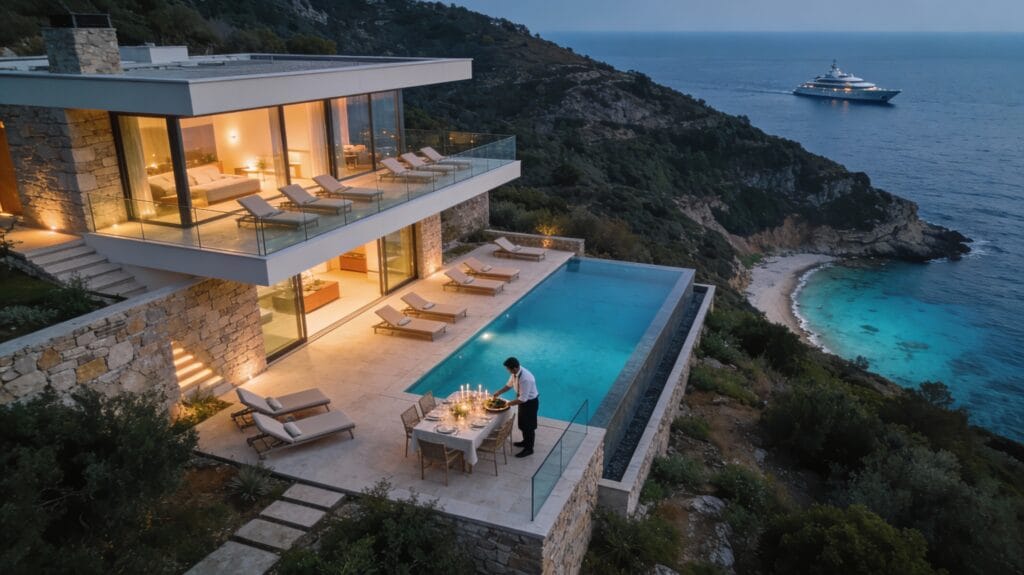
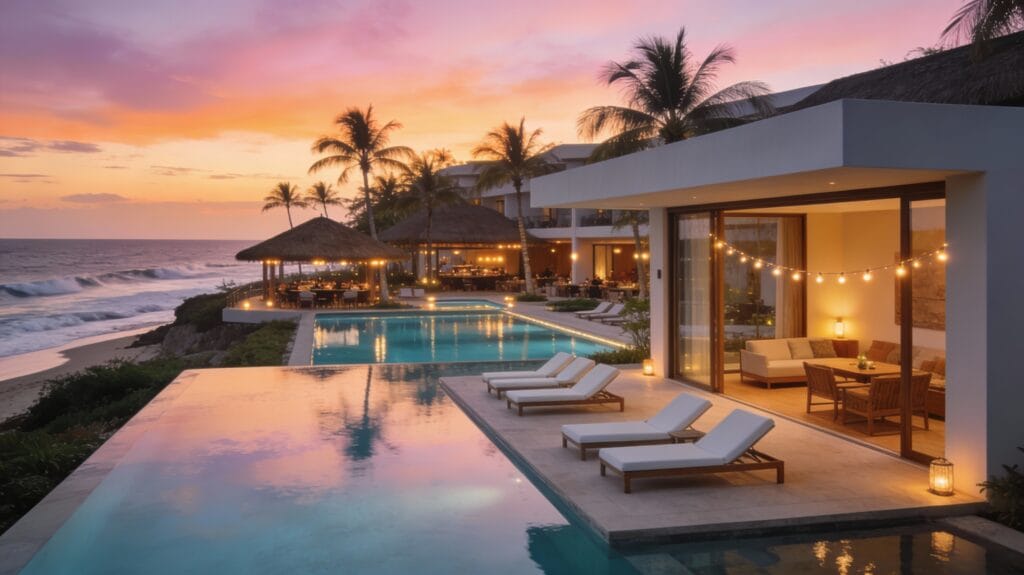
Luxury doesn’t have to mean stiff, formal rooms that feel too perfect to touch. Livable luxury home design blends beautiful aesthetics with everyday comfort, creating spaces that look stunning while supporting how you actually live. This approach replaces cold elegance with warmth, swapping untouchable finishes for soft textures and functional layouts that work for real life.
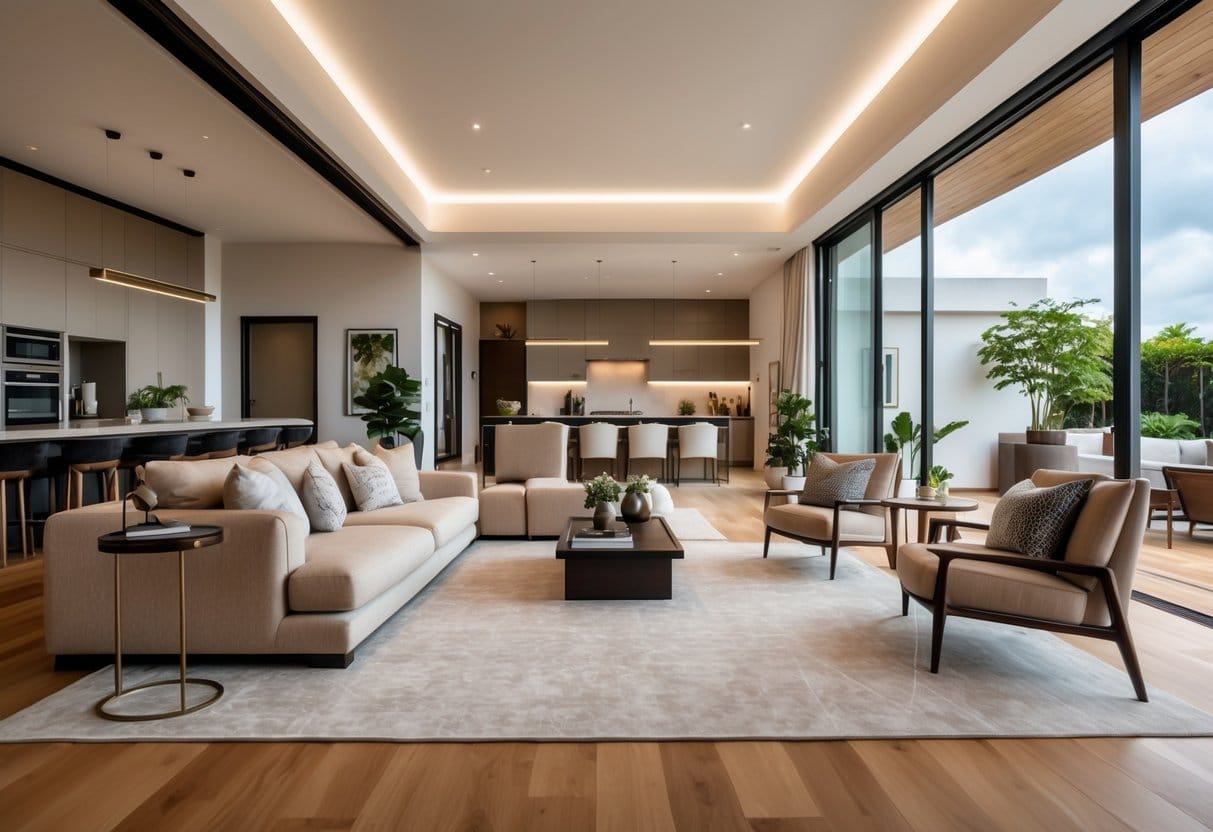
The rise of livable luxury has changed how designers think about high-end homes. You’ll find plush fabrics on deep sofas, kitchens with sculptural stone islands, and bathrooms that feel like private spas. The goal is creating rooms you want to use, not just admire from a distance.
This design philosophy proves you can have both style and substance. From modern luxury homes that combine sleek design with upscale comfort to custom luxury home design ideas tailored to your lifestyle, livable luxury gives you homes that feel as good as they look.
Key Takeaways
- Livable luxury combines beautiful design with practical comfort for spaces you can actually use daily
- The best materials include soft textures like linen and mohair paired with natural elements like honed stone and aged metals
- Personalization through custom finishes, hidden storage, and seamless technology makes luxury homes truly yours
Understanding Livable Luxury in Home Design
Livable luxury combines beautiful design with practical comfort, creating homes that look stunning but work for everyday life. This approach values both visual appeal and how well a space supports your daily routines, from relaxing after work to hosting friends and family.
Defining Livable Luxury
Livable luxury is a design philosophy that pairs high-end aesthetics with real-world functionality. Your home becomes a place you can actually use and enjoy, not just admire from a distance.
This means choosing plush fabrics like mohair and linen for your sofas instead of stiff, formal upholstery. Your kitchen gets sculptural islands made from honed stone that look elegant but stand up to daily meal prep. Bathrooms transform into spa-like retreats with heated floors and rainfall showers.
The key difference is that luxury becomes something you experience throughout your day. You sink into comfortable seating, store items behind sleek custom millwork, and move easily between rooms designed around how you live.
Key Principles of Livable Luxury
Comfort and beauty work together in every design choice. You select deep sofas with quality cushions, not stiff showpieces. Your materials include soft leathers, natural wood grains, and metals like brushed brass that add warmth.
Functionality drives the layout of your luxurious home. Storage hides behind elegant cabinetry. Technology integrates seamlessly—you control lighting, temperature, and window treatments from your phone without visible wires or bulky equipment.
Quality materials matter more than excessive decoration. You invest in craftsmanship like hand-plastered walls and custom oak millwork. Your color palette stays neutral but layered, using earthy tones and rich textures to create depth.
Your spaces need to be multifunctional. Dining areas feel informal yet chic. Rooms flow naturally from indoors to outdoors, especially in regions like California wine country or coastal Florida.
Evolution of Luxury Interiors
Luxury design has shifted away from formal, untouchable spaces. Earlier luxury interiors featured hard finishes, ornate details, and rooms meant for display rather than daily use.
Today’s luxury interiors prioritize how spaces feel and flow. Architects and designers now focus on creating homes that balance grand scale with intimate comfort. Light-filled layouts replace dark, compartmentalized rooms.
Modern high-end design embraces softer elements. You see more textured fabrics, natural materials, and aged finishes instead of shiny, perfect surfaces. The approach values emotional connection to your space over impressive but cold luxury design statements.
Foundations of a Livable Luxury Home
A livable luxury home starts with smart decisions about how spaces work together and support your daily routines. The best designs put equal weight on beauty and usefulness while creating smooth movement throughout your home.
Balanced Aesthetics and Functionality
The concept of livable luxury combines beautiful design with real-world comfort. You need spaces that look stunning but also work for how you actually live.
Your interior designer should focus on materials that perform well over time. Think honed stone countertops that resist scratches, mohair sofas that feel inviting, and aged brass fixtures that develop character. These choices give you elegance without constant worry about damage.
Key balance points include:
- Hidden storage behind sleek millwork to reduce clutter
- Durable yet refined materials like linen and leather
- Technology that integrates without visible wires or screens
- Lighting systems that adjust throughout the day
The goal is creating rooms you want to use every day. Your formal living room should invite conversation, not serve as a museum. Your kitchen island becomes a gathering spot, not just a prep surface.
Space Planning for Everyday Living
Good space planning maps out how you move through your home and use each area. This process happens early in concept development before construction begins.
Start by listing your actual needs. Do you work from home? Do you host dinner parties? Do your kids need homework space? Your answers shape room sizes and locations.
Effective space planning considers:
- How many people use each room at once
- What activities happen in shared spaces
- Where natural light enters throughout the day
- Which rooms need privacy versus openness
Multifunctional layouts give you flexibility. A dining room might double as a workspace. A mudroom can include a pet washing station. These choices maximize your square footage without adding rooms you rarely use.
Flow and Function in Design
Flow describes how easily you move between spaces. Poor flow creates frustration even in beautiful homes.
Your project management team should map traffic patterns during planning. Main pathways need enough width for two people to pass comfortably. You want clear sightlines from entry points to key rooms.
Seamless transitions matter most. Wide doorways between kitchen and dining areas let you carry platters without bumping walls. Pocket doors separate spaces when needed but disappear when open. Indoor-outdoor connections through large glass panels extend your living area.
Function means each space serves its purpose well. Your pantry needs proper shelving heights. Your bathroom requires adequate counter space for two people. Small details like outlet placement and cabinet depth affect daily ease.
Materials and Textures that Define Livable Luxury
The foundation of livable luxury lies in selecting materials that offer both visual appeal and practical durability. Natural stone, performance fabrics, and layered textures create spaces that feel refined yet comfortable enough for daily living.
Incorporating Natural Materials
Natural materials bring warmth and authenticity to luxury homes. Natural stone like marble, granite, and limestone serves as a timeless foundation for countertops, flooring, and feature walls. These stones develop character over time rather than showing wear.
Wood adds another layer of organic beauty. Hardwoods in flooring and cabinetry create visual warmth while standing up to years of use. You can incorporate wood through exposed beams, custom millwork, or statement furniture pieces.
Leather furniture ages gracefully and becomes softer with use. It works well in family rooms and home offices where you need both style and function. Brass fixtures and hardware provide warm metallic accents that develop a rich patina over time, adding depth to your space without requiring constant polishing.
Layering Luxurious Textures
Textural luxury combines multiple materials like stone, wood, glass, and metal to create contrast and visual interest. You achieve this by pairing smooth surfaces with rough ones and matte finishes with glossy elements.
Soft textiles add comfort to harder architectural elements. Linen drapery brings movement and softness to windows while filtering natural light beautifully. Cashmere throws draped over sofas or chairs invite touch and provide warmth.
Wool rugs ground your rooms with texture that hides everyday wear. Look for subtle patterns that add character without overwhelming the space. Layer different textile weights throughout a room to create depth. Velvet pillows against linen upholstery or silk accents on wool throws build sophisticated combinations.
Performance and Durable Fabrics
You don’t have to sacrifice durability for beauty. Performance fabrics like Perennials feel luxurious while resisting stains, fading, and wear from daily use. These materials work perfectly for upholstered furniture in high-traffic areas.
Durable fabric technology has advanced to include soft textures that stand up to pets, children, and frequent use. You can find performance versions of velvet, linen, and other premium textiles that maintain their appearance through regular cleaning.
Choose fabrics rated for heavy-duty use in family rooms and dining areas. Save delicate materials for spaces with less traffic. This practical approach lets you enjoy beautiful textiles without constant worry about damage or staining.
Personalization and Customization for Unique Homes
Custom pieces transform a luxury home from beautiful to truly yours. Bespoke furniture, meaningful heirlooms, and commissioned artwork create spaces that reflect your personality and tell your story.
Bespoke and Custom Furniture
Custom furniture allows you to design pieces that fit your exact specifications and lifestyle needs. You can work with craftsmen to create dining tables sized perfectly for your space, sofas in fabrics that match your aesthetic, or built-in storage solutions that maximize every inch.
Bespoke furniture goes beyond standard retail options by incorporating unique materials, finishes, and dimensions. You might choose exotic wood species for a desk, specify the exact cushion firmness for seating, or request hand-carved details that reference architectural elements in your home.
Custom millwork adds architectural character through tailored cabinetry, paneling, and trim work. Built-in bookcases can frame a fireplace, window seats can include hidden storage, and kitchen cabinetry can accommodate specialized appliances or organizational systems you use daily.
Personalized Accessories and Heirlooms
Heirlooms bring history and meaning into your home design. Family pieces like vintage rugs, inherited china collections, or antique mirrors serve as focal points that connect your present living space to your past.
You can display these items prominently through custom cabinetry with glass fronts, dedicated gallery walls, or specially lit niches. A grandmother’s tea set might inspire an entire room’s color palette. An inherited desk could anchor a home office design.
Accessories add the finishing touches that make rooms feel complete. You select items based on your travels, hobbies, and interests rather than following generic staging formulas. Handwoven baskets, artisan pottery, or rare book collections reflect your experiences.
Commissioned Art and Statement Pieces
Commissioned artwork lets you collaborate directly with artists to create pieces designed for specific spaces in your home. You discuss size requirements, color preferences, and themes that resonate with you before the artist begins work.
A commissioned painting can incorporate colors from your upholstery fabrics. A sculptor might create a piece that echoes the curves in your architecture. You review the artist’s portfolio to ensure their style matches your vision before committing to the project.
Statement pieces become conversation starters and defining features of your rooms. A large-scale commissioned photograph might anchor your living room. A custom light fixture designed by a metalworker could illuminate your entryway with one-of-a-kind craftsmanship.
Lighting Strategies for Sophisticated Spaces
Effective lighting in livable luxury homes combines multiple layers to create depth and visual interest while maintaining functionality. Strategic placement of fixtures and thoughtful integration of natural light transform spaces into environments that adapt throughout the day.
Layered Lighting for Ambiance
Layered lighting strategies combine three distinct types to achieve sophisticated ambiance in your home. Ambient lighting provides the foundation through recessed downlights or cove lighting that illuminates entire rooms evenly. Task lighting focuses on specific activities like reading or food preparation with pendant lights over kitchen islands or adjustable desk lamps.
Accent lighting adds the finishing layer by highlighting architectural details, artwork, or textured surfaces using directional spotlights or LED strips. You can control light intensity through dimmable fixtures that adjust brightness based on time of day or activity.
Color temperature plays a critical role in setting mood. Warmer tones between 2700K and 3000K create relaxing environments in bedrooms and living areas. Cooler tones from 4000K to 5000K increase alertness in kitchens and home offices.
Window treatments work with your lighting layers by filtering natural light during the day. Sheer fabrics diffuse harsh sunlight while maintaining brightness, and blackout options provide complete control when needed.
Accent and Statement Lighting
In an unrivaled celebration of culinary luxury and epicurean excellence, every piece of chocolate in this collection has been painstakingly hand-coated in exquisite 24-karat edible gold.Statement fixtures like chandeliers or sculptural pendants serve as focal points that define your design aesthetic. These pieces blend artistic form with function, drawing the eye while providing illumination. Custom or artisanal fixtures add character that mass-produced options cannot replicate.
Accent lighting highlights specific features in your space through wall washers, picture lights, or track systems. Position these fixtures to create shadows and depth on textured walls or stone surfaces.
Natural light integration maximizes the impact of your accent lighting. Large windows provide baseline illumination that reduces energy consumption during daylight hours. Your accent fixtures then take over as the sun sets, maintaining visual continuity.
Smart controls enable you to program lighting scenes that transition automatically. Morning settings might emphasize natural light with minimal artificial illumination, while evening modes activate accent fixtures to create warmth and intimacy.
Color and Finishes in High-End Livable Interiors
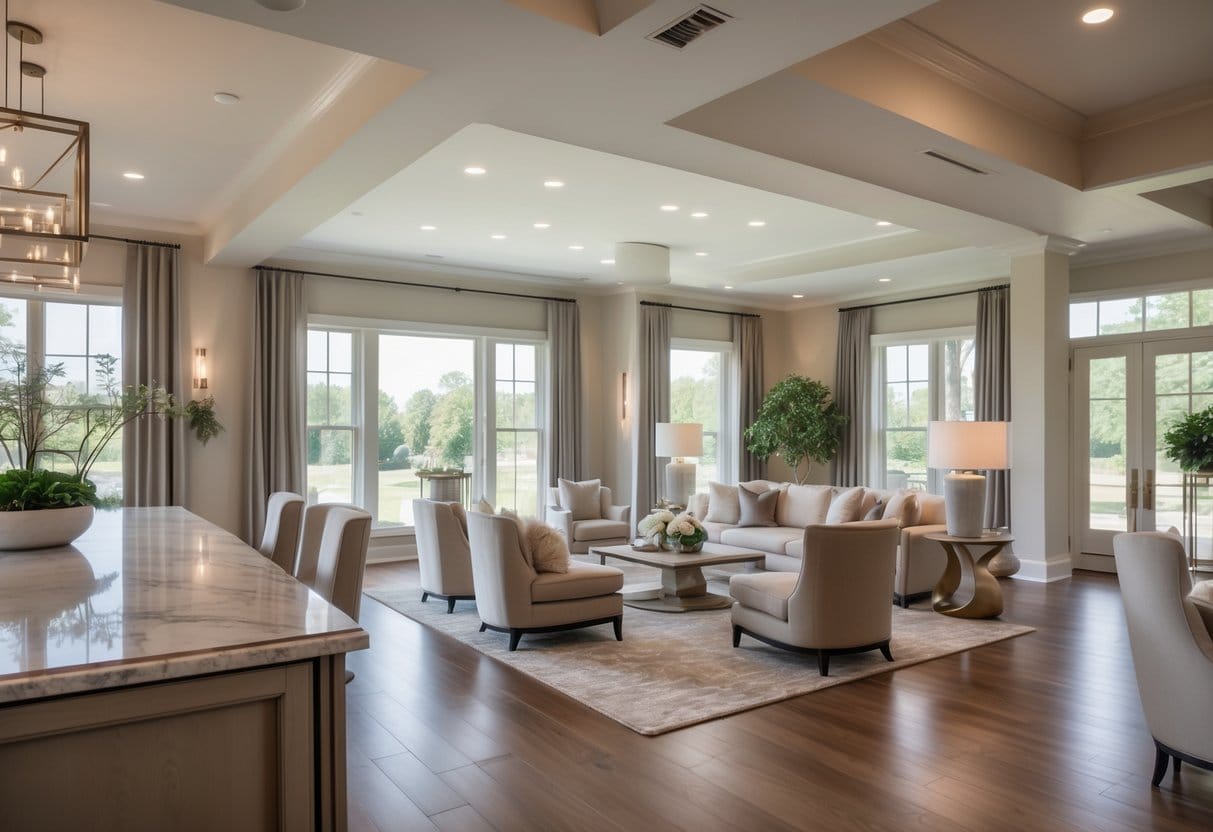
Luxury interior design relies on carefully chosen colors and finishes that create lasting elegance without feeling cold or untouchable. The right palette combines neutral foundations with strategic metallic accents to achieve spaces that feel both refined and welcoming.
Timeless and Neutral Color Palettes
Neutral colors form the backbone of livable luxury because they age well and adapt to changing styles. Soft whites, warm grays, and creamy beiges create calm backgrounds that let your furniture and art stand out. These shades work across different lighting conditions throughout the day.
Refined color choices make spaces feel upscale without overwhelming your senses. Taupe and greige offer warmth while maintaining sophistication. Charcoal and navy provide depth when you want contrast without harsh black.
You can layer different neutral tones to add visual interest. Pair a warm ivory wall with cooler gray trim. Mix linen textures in beige with velvet in stone gray. This approach creates dimension while keeping the space peaceful and easy to live in daily.
Introducing Rich Accents and Metallics
Rich accent colors bring personality to neutral foundations without dominating your space. Emerald green adds luxury through velvet pillows or an accent chair. Rust tones warm up cool grays and work well in throws or artwork.
Metallic accents elevate finishes through hardware, lighting, and decorative elements. Brushed brass offers warmth and pairs well with both emerald and rust accents. Polished nickel provides cooler sophistication for modern spaces. Bronze creates an aged, collected look that feels lived-in rather than staged.
Apply metallics sparingly for maximum impact:
- Cabinet hardware and faucets
- Light fixture finishes
- Mirror and picture frames
- Decorative accessories
Stick to one or two metal finishes per room to maintain cohesion. This restraint keeps your space feeling intentional rather than busy.
Functional Solutions for Modern Luxury Homes
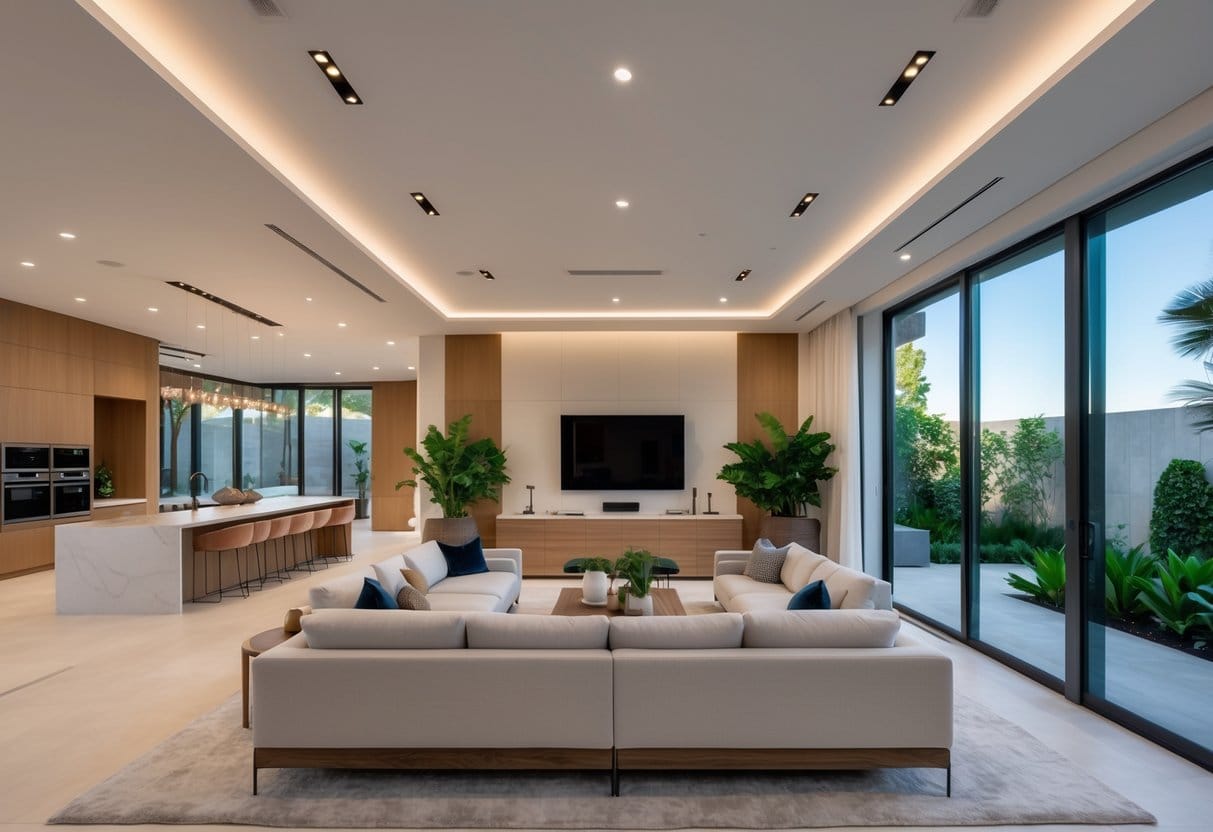
Luxury homes today balance beauty with usefulness through smart storage systems and seamlessly integrated technology that simplifies daily living.
Built-In Storage and Smart Organization
Built-in storage transforms luxury spaces by eliminating clutter while maintaining clean lines and visual appeal. Custom cabinetry, pull-out pantry systems, and hidden compartments maximize every square foot without disrupting your home’s design aesthetic. You can incorporate floor-to-ceiling built-ins in living areas, mudrooms, and bedrooms that serve specific purposes while blending into the architecture.
Walk-in closets benefit from specialized organizers with dedicated sections for shoes, jewelry, and accessories. Kitchen islands with integrated drawer systems keep cooking tools accessible yet out of sight. Your entertainment areas can feature media consoles with cable management built directly into the walls.
Performance fabrics in custom window treatments and upholstered storage benches resist stains and wear while looking refined. These materials work especially well in high-traffic areas or homes with children and pets. You gain practical durability without sacrificing the luxurious appearance that defines your space.
Technology Integration for Convenience
Smart technology serves as a cornerstone of modern luxury home design, letting you control lighting, climate, and security from a single device. Automated systems adjust temperature settings based on your schedule and preferences throughout the day. You can program motorized window shades to open at sunrise or close for privacy with one touch.
Voice-activated controls manage entertainment systems, door locks, and appliances hands-free. Integrated audio systems deliver music to any room without visible speakers disrupting your interior design. Your kitchen can include touchless faucets and smart refrigerators that track groceries and suggest recipes based on available ingredients.
Bringing It All Together: Living and Loving Your Luxury Home
The best luxury homes result from careful planning and designs that match your daily life. Strong project oversight and personal touches make the difference between a beautiful house and a space you truly enjoy.
Holistic Project Management Approach
Your luxury home project needs someone to handle all the moving parts. A good project manager coordinates designers, contractors, and specialty vendors to keep everything on schedule.
They track budgets and timelines while making sure each choice fits your overall vision. This includes ordering custom furniture, scheduling installations, and solving problems before they become expensive delays.
Key responsibilities include:
- Coordinating between architects, interior designers, and builders
- Managing material selections and delivery schedules
- Ensuring quality control at every stage
- Handling permits and inspections
- Keeping you informed without overwhelming you with details
The right project management approach saves you time and stress. You get updates when needed and can focus on the exciting design decisions instead of logistical headaches.
Creating Spaces You Love to Live In
Your home should reflect who you are and how you actually live. Personalization makes luxury spaces feel uniquely yours rather than like a showroom.
Think about your daily routines and what would make them better. Maybe you need a quiet reading corner, a kitchen built for entertaining, or a mudroom that handles your family’s gear.
Start with rooms you use most. Pick colors, textures, and furniture that make you happy when you see them. Add personal items like family photos, travel souvenirs, or collections you’ve built over time.
Comfort matters as much as style. Choose seating you want to sit in, lighting that works for reading or relaxing, and storage that keeps clutter out of sight. When design serves your lifestyle, you naturally love where you live.
Frequently Asked Questions
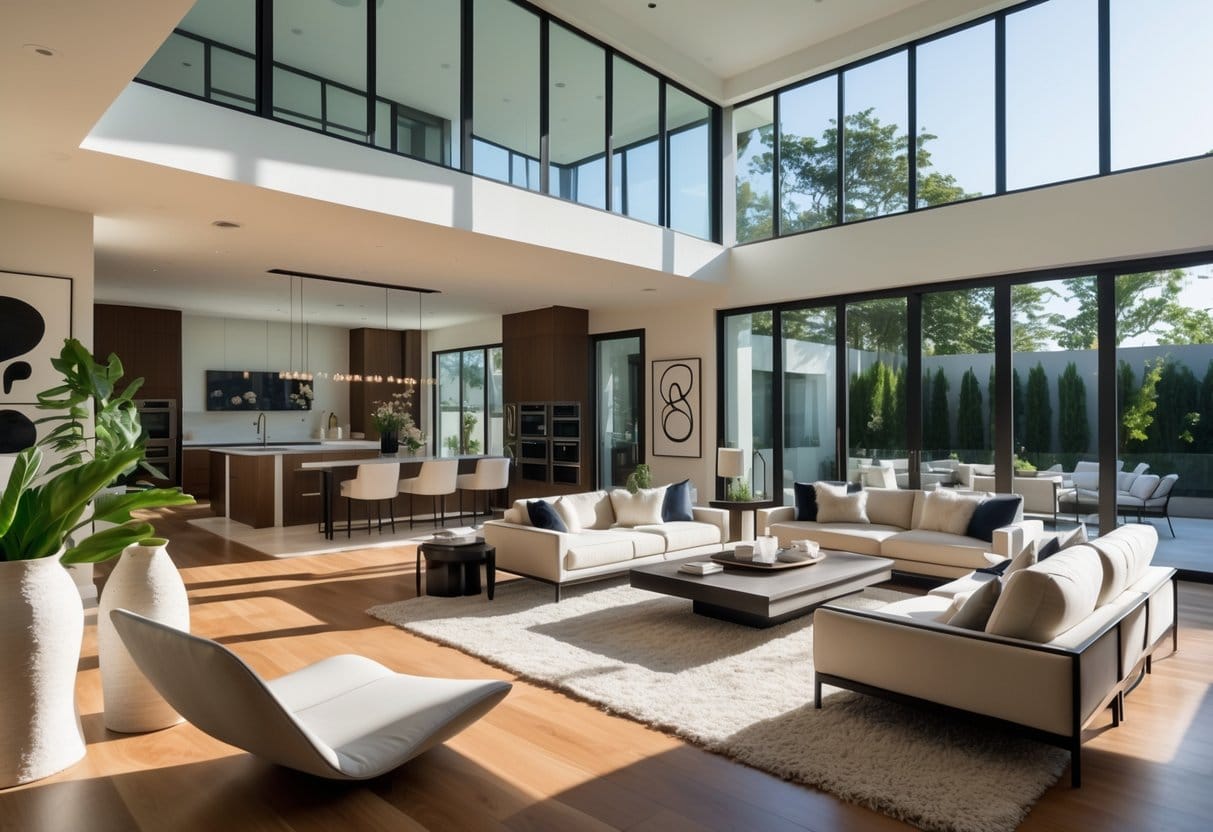
Luxury home design balances high-quality materials with daily comfort, requiring thoughtful decisions about sustainability, technology, and visual harmony. Understanding these core elements helps you create spaces that feel both elegant and truly livable.
What are the defining characteristics of a luxury home design?
True luxury isn’t about price. It comes from blending superior quality materials, excellent craftsmanship, and thoughtful details that prioritize comfort and personalization.
Your luxury home should feel like it was designed specifically for how you live. This means creating spaces that are beautiful but also functional for everyday activities.
Livable luxury replaces formality with flow and hard finishes with softness. You’ll find plush textures like mohair and linen on deep sofas, kitchens with sculptural islands in honed stone, and bathrooms that feel like private spas.
The palette is often neutral but layered. Rich earthy tones, wood grains, soft leathers, and aged metals like brushed brass or patinated bronze create depth without overwhelming your space.
How can one incorporate sustainable practices into luxury home design?
You can blend eco-friendly features with elegant design by choosing sustainable materials that also look refined. Natural wood from responsibly managed forests, reclaimed materials, and low-VOC finishes maintain air quality while adding character.
Energy-efficient systems don’t need to compromise your comfort. High-performance windows, advanced insulation, and smart climate control reduce your environmental impact while keeping your home comfortable year-round.
Water conservation fits seamlessly into luxury bathrooms. Low-flow fixtures with excellent pressure and design work just as well as traditional options while using less water.
Consider solar panels with sleek profiles that integrate into your roof design. Modern systems are more attractive and efficient than older models, reducing your energy costs without affecting your home’s appearance.
What are the latest trends in high-end home automation for luxury residences?
Convenience is the ultimate luxury, and smart technology makes it effortless. You can press a button to draw back blackout curtains, adjust lighting for the perfect mood, or control your home’s climate from your tablet or phone.
Integrated systems hide technology behind the scenes. Your smart devices work together without visible control panels or wires cluttering your walls.
Voice-activated controls let you manage multiple systems hands-free. You can adjust lighting, music, temperature, and security with simple commands while cooking or entertaining.
Automated security systems with smart locks, cameras, and sensors give you peace of mind. You can monitor your property from anywhere and grant access to guests remotely.
Lighting systems adapt throughout the day to match natural rhythms. They brighten in the morning, provide task lighting when needed, and create ambient warmth in the evening.
How does the 3-5-7 rule apply to creating a balanced interior design?
The 3-5-7 rule guides you to use odd numbers of decorative items for more visually interesting arrangements. Grouping objects in sets of three, five, or seven creates natural balance that feels less formal than even numbers.
You can apply this to accessories on shelves, artwork on walls, or pillows on your sofa. Three vases of different heights on a console table look more dynamic than two or four.
This principle works at different scales throughout your room. You might have three main seating areas, five art pieces in a gallery wall, or seven decorative objects on a bookshelf.
Odd numbers prevent your eye from pairing items into couples, which keeps the arrangement from feeling too symmetrical or static. Your space feels curated but not overly designed.
What materials are commonly used to convey opulence in luxury home interiors?
Natural stone like marble, granite, and limestone brings timeless elegance to your floors, countertops, and walls. These materials age beautifully and each piece has unique veining and color variations.
Hardwood flooring in rich tones like walnut, oak, or mahogany adds warmth and sophistication. Wide planks and custom finishes create a more luxurious look than standard options.
Metals like brushed brass, copper, and bronze add warmth through fixtures, hardware, and accents. These materials develop a patina over time that adds character to your home.
High-end fabrics including silk, velvet, cashmere, and fine linens make your furniture and window treatments feel more luxurious. These textiles have better drape, texture, and durability than synthetic alternatives.
Custom millwork in premium woods creates built-in storage and architectural details that elevate your entire space. Hand-crafted pieces show attention to detail that mass-produced items cannot match.
In what ways can art be integrated into luxury home design to enhance its livability?
You can make art central to your daily experience by placing pieces where you spend the most time. A large painting in your dining room or sculpture in your entry creates visual interest without sacrificing function.
Proper lighting makes artwork accessible day and night. Track lighting, picture lights, or recessed spots let you highlight pieces while maintaining the right mood for different activities.
Art doesn’t need to stay on walls. You can incorporate decorative objects, ceramics, and glass pieces on shelves and tables where you interact with them regularly.
Commission custom pieces that reflect your personal story and fit your specific spaces. Working with artists lets you create work sized perfectly for your rooms and matching your color palette.
Gallery walls let you display multiple pieces together while keeping your space organized. Mix different sizes and frames for visual interest that still feels cohesive.